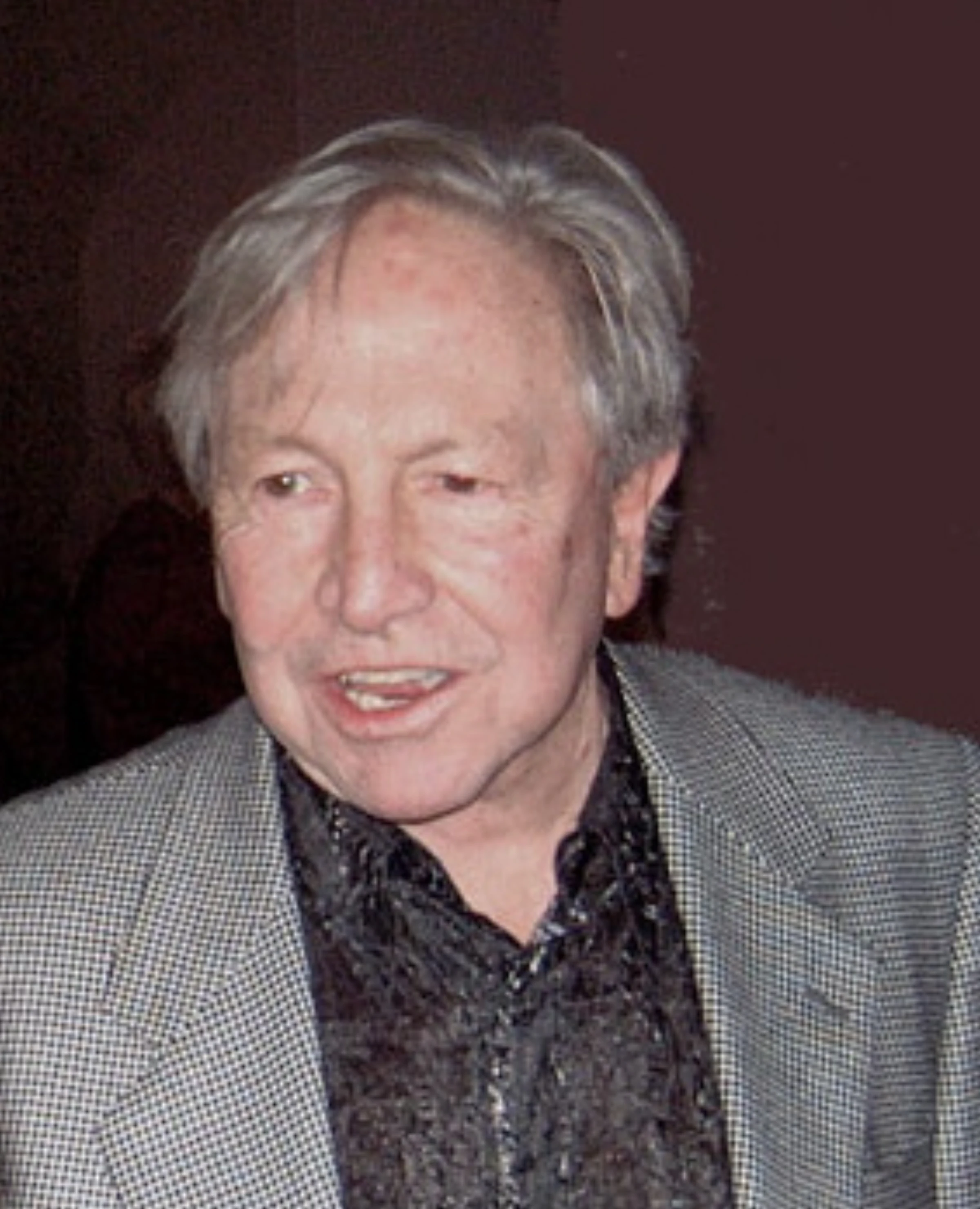
Rauschenberg Foundation Lists NY HQ for Luxury Redevelopment
Robert Rauschenberg's former New York townhouse, now the foundation headquarters, has been listed for sale and may become luxury rentals or boutique condos
A Townhouse with History Goes on the Market
The Robert Rauschenberg Foundation has listed its New York headquarters for sale, opening the possibility that the building where the artist lived, worked, and hosted some of the most storied gatherings of the late 1960s art world may be converted into luxury rentals or boutique condominiums. The property, a townhouse that served as Rauschenberg's home and studio, carries a cultural significance that extends well beyond its real estate value, and its sale raises questions about how artist foundations manage the physical legacy of their founders.
Rauschenberg was one of the most influential American artists of the twentieth century, and his New York townhouse was both a creative laboratory and a social hub. In the late 1960s, the artist hosted lively parties at the property. Artists and engineers bunked in. Rauschenberg's pet turtle, Rocky, became a minor legend among visitors. Some of his key works were created in the studio space within the building. The sale was reported by ARTnews, which noted that the foundation has cited potential development at an adjacent parking lot as a factor in the decision to sell.
Why the Foundation Is Selling Now
According to the foundation, development at an adjacent parking lot could impact the building's structural integrity, prompting the decision to list the property rather than continue operating from a site that may be compromised. This explanation raises questions about the pace and nature of development in the neighborhood, and whether the foundation had explored alternatives to a outright sale.
The sale of a landmark artist property is never a simple real estate transaction. The building's association with Rauschenberg gives it a cultural value that may not be fully reflected in its market price, but it also creates complications for any buyer. Preservation advocates may seek landmark designation that restricts alterations. Art historians and archivists may have interests in maintaining access to the site. And the foundation itself must consider whether the proceeds of the sale will be sufficient to relocate its operations and continue its mission.
The Robert Rauschenberg Foundation was established to preserve and advance the artist's legacy through grants, residencies, and scholarly programs. The foundation's work includes maintaining archives, supporting artists through the Rauschenberg Residency on Captiva Island, Florida, and facilitating exhibitions and publications. The sale of the New York headquarters represents a significant operational shift, though the foundation has not publicly disclosed where it plans to relocate.
Artist Foundations and Real Estate
The Rauschenberg Foundation's decision highlights a broader question facing artist foundations: what happens to the physical spaces associated with an artist's life and work when the foundation's needs change? Some foundations maintain their founders' homes and studios as museums or research centers. The Pollock-Krasner House in Springs, New York, and the Donald Judd Foundation spaces in New York and Marfa, Texas, are examples of properties that have been preserved as part of the artist's legacy. Others have sold or repurposed properties when maintenance costs or changing circumstances made continued ownership impractical.
The sale of the Rauschenberg headquarters also comes at a moment of significant change in the New York art world. Gallery consolidations, dealer moves, and shifts in the geographic center of the art market have all affected how art organizations think about real estate. The recent departure of three White Cube New York directors and the broader reshuffling of gallery talent across the city suggest that the art world's relationship with New York real estate is in flux. If the Rauschenberg Foundation's building becomes luxury residential property, it will be following a path that many former creative spaces in New York have taken.
What the Building Represented
Rauschenberg was a transformative figure in American art. His Combines, which merged painting and sculpture with everyday objects, broke down the boundaries between art forms and helped define the transition from Abstract Expressionism to Pop Art and beyond. The townhouse where he lived and worked was not just a residence but a site of artistic production, and the works created there are now held in major museum collections worldwide.
The movement of gallery professionals between institutions reflects a similar dynamic in the commercial art world, where physical spaces and the people who run them are constantly being reconfigured. But the sale of an artist's own home and studio carries a different weight. The building is where Rauschenberg's creative community gathered, where his ideas took physical form, and where the foundation that bears his name has carried on his work for years.
If the building is converted to luxury rentals or condos, the physical traces of that history will likely be erased. New residential developers rarely preserve studio spaces or maintain the kind of rough functionality that artists need. The townhouse that once housed Rauschenberg's turtle, his parties, and his art may become another piece of high-end New York real estate, distinguished only by a plaque if any preservation is required at all.
The Real Estate Market and Cultural Memory
The New York real estate market has long been hostile to cultural spaces. Artists and arts organizations have been displaced from neighborhoods across the city as property values rise and buildings are converted to residential or commercial use. The Rauschenberg Foundation's decision to sell voluntarily, rather than being forced out by rising costs or eviction, gives it some control over the timing and terms of the sale. But the outcome for the building itself is likely the same: conversion to high-end residential use that erases the traces of its artistic past.
The tension between cultural memory and real estate value is not unique to Rauschenberg's townhouse. Throughout New York's history, buildings associated with major artists have been demolished, converted, or forgotten. The studio buildings of the Tenth Street School, where Willem de Kooning and others worked, are gone or unrecognizable. The Hotel Chelsea, which housed generations of artists and writers, has been renovated and marketed to a very different clientele. Each loss erodes the physical record of New York's role as a center of artistic production, leaving only archives and photographs to document what was once there. The preservation of artist homes and studios is often left to private initiatives rather than public policy, and the success of those initiatives depends on the willingness of the foundation or estate to prioritize preservation over financial optimization. In some cases, as with the Judd Foundation, preservation requires enormous fundraising and ongoing operational costs. In others, the economics simply do not work, and the property is sold to the highest bidder., leaving only archives and photographs to document what was once there.
What distinguishes the Rauschenberg case is that the foundation bearing the artist's name is making the decision to sell, rather than an external developer or indifferent landlord. This gives the foundation the opportunity to set conditions on the sale, or at minimum to document the building's significance before it changes hands. Whether the foundation will take those steps remains to be seen, but the precedent set by this sale may influence how other artist foundations handle similar decisions in the future.
The Future of Rauschenberg's Legacy in New York
The Rauschenberg Foundation's decision also comes amid a broader conversation about the sustainability of artist foundations themselves. As the first generation of artist foundations matures, questions about their long-term financial models, governance structures, and physical footprints are becoming urgent. Some foundations are designed to sunset after a fixed period, distributing their assets and closing. Others are built to last in perpetuity, which requires an endowment sufficient to support ongoing operations. The sale of a major asset like the New York headquarters could provide the Rauschenberg Foundation with additional resources to sustain its programs, but it also reduces the foundation's physical presence in the city where its founder did some of his most important work. The foundation has not announced a timeline for the sale or identified a buyer, and it is possible that a preservation-minded purchaser could emerge. But the current trajectory suggests that the building's future is as a residential property rather than a cultural site. The proceeds of the sale will presumably support the foundation's ongoing programs, including the residency program on Captiva Island, which has become a significant part of Rauschenberg's institutional legacy.
The question for the art world is whether the loss of the New York headquarters diminishes that legacy or simply redirects it. The foundation's archives, programs, and grants are the living part of Rauschenberg's legacy, and they do not depend on a specific building. But the physical site matters in ways that are harder to quantify. Visitors, scholars, and artists who have spent time in the townhouse describe a space that still carries the energy of Rauschenberg's presence, a quality that no amount of program funding can replace.
As the sale proceeds, the art world will be watching to see what happens to the building, who buys it, and whether any effort is made to preserve its cultural significance. The art press will continue to cover the story, and preservation advocates may yet intervene. For now, the townhouse where Rauschenberg worked, lived, and welcomed the art world is on the market, and its future is uncertain.