White Cube New York Loses Three Star Directors
Courtney Willis Blair, Sukanya Rajaratnam and Jessie Washburne-Harris have all exited the gallery's Madison Avenue flagship amid a turbulent art market
Three Departures, Three Different Reasons
White Cube's New York flagship has lost three of its most senior directors in what amounts to a significant leadership shake-up for the London-founded gallery. Courtney Willis Blair, Sukanya Rajaratnam, and Jessie Washburne-Harris have all severed ties with the gallery, though the reasons offered vary considerably. The departures, first reported by Artnet News and confirmed by Artforum, come at a precarious moment for the broader gallery ecosystem.
Willis Blair, who joined White Cube in 2023, is reportedly leaving to return to academia. Rajaratnam, who arrived the same year as global director of strategic market initiatives, is stepping down to focus on independent ventures. The most striking departure is that of Washburne-Harris, who was hired less than a year ago as global director in charge of long-term growth in the United States. No reason was offered for her exit. Before joining White Cube, Washburne-Harris operated her own gallery, Harris Lieberman, and held senior positions at Pace and Marian Goodman, making her one of the most experienced gallery executives in New York.
Losing three directors simultaneously is unusual for any gallery, particularly one that only opened its New York space in 2023. The optics are complicated by the fact that Washburne-Harris was hired specifically to drive American growth, a mandate that now goes unfulfilled less than twelve months into her tenure. Whether the departures reflect internal tensions, strategic disagreements, or simply the cumulative pull of independent ambitions remains unclear. What is clear is that White Cube's New York operation will need to rebuild its leadership team at a moment when the market shows few signs of stabilization.
The Broader Gallery Crisis
The White Cube departures do not happen in isolation. The gallery sector is contracting. David Zwirner and Pace, two of the largest commercial galleries in the world, have both closed locations and cut staff over the past year. Smaller and midsize galleries have folded entirely or merged to survive. The art market downturn that began in 2024 has compressed gallery margins through a combination of softer sales, reduced fair participation budgets from collectors, and mounting fixed costs in major art capitals.
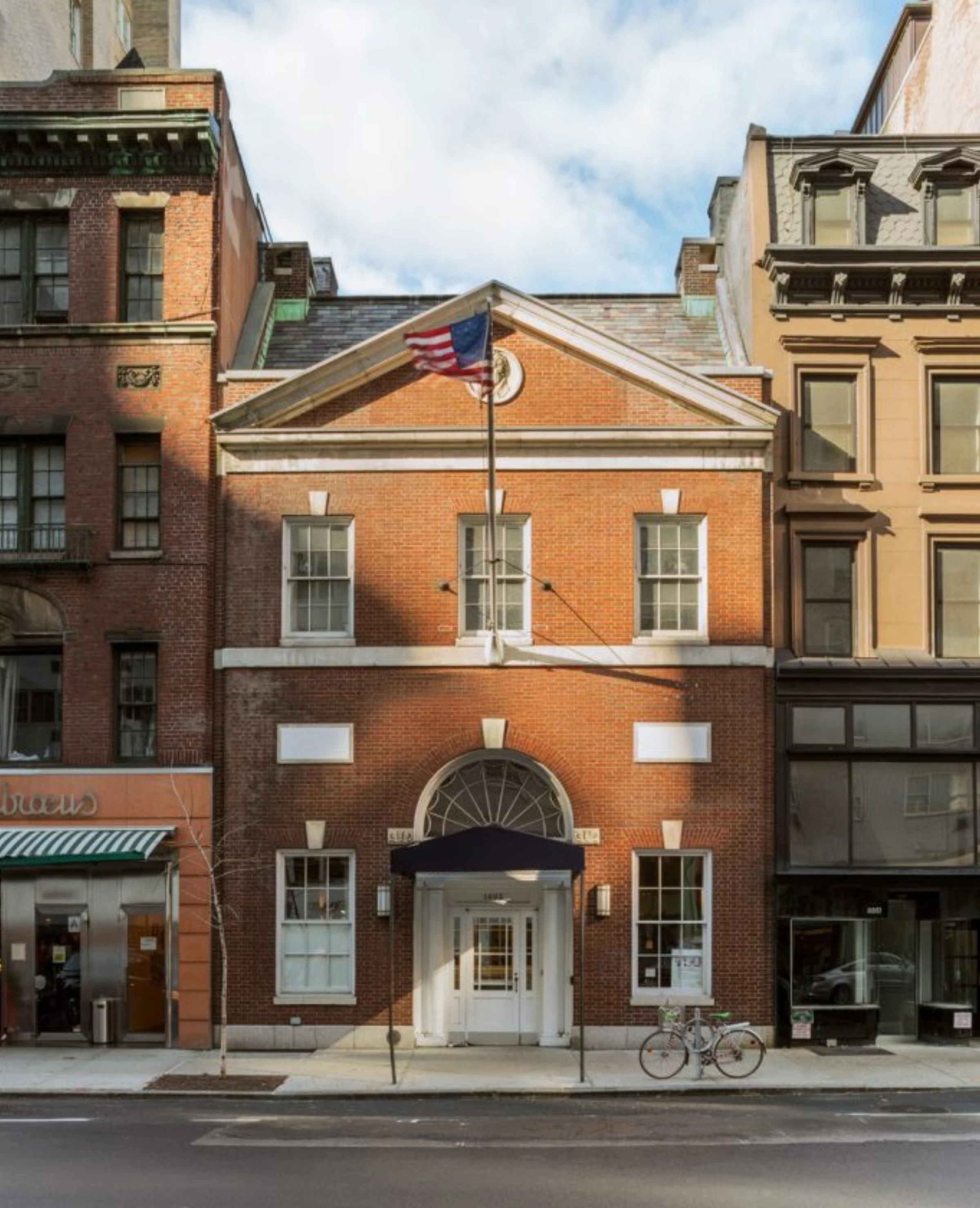
White Cube itself expanded aggressively during the boom years. Founded in London in 1993 by Jay Jopling, the gallery opened its New York flagship at 1002 Madison Avenue in 2023, a stone's throw from Gagosian and Acquavella. It operates additional outposts in Hong Kong, Paris, and Seoul, the latter opened in 2023. The rapid expansion into multiple global markets required significant capital investment at precisely the moment when the market began to soften. The London art market's uneven recovery has added further pressure on galleries with UK roots.
The departures also reflect a broader pattern of senior gallery talent moving between houses. Elizabeth Mulholland, a longtime partner at Andrew Kreps Gallery, recently joined David Zwirner as senior director of its Los Angeles outpost, a move that itself signals how major galleries are competing for experienced leadership even as they cut costs elsewhere. The talent war at the top persists even as the broader market contracts.
White Cube Says It Is Expanding
A White Cube spokesperson pushed back against any narrative of decline, telling Artnet that the gallery is actually expanding its New York footprint. The operation is moving from its 1,800-square-foot offices at 980 Madison Avenue to a 4,000-square-foot space directly across the street. That space was formerly occupied by Almine Rech, which let the lease expire in spring 2026 because the rent was too high, according to Artnet's reporting.
The expansion-from-contraction dynamic captures something essential about the current gallery landscape. Larger galleries with sufficient capital can acquire space at discounted rents when smaller competitors retreat. But taking on more square footage while losing senior leadership creates its own tensions: more space to program with fewer people to program it. Whether White Cube can fill the void left by three departed directors remains an open question.
The gallery's spokesperson offered no timeline for replacing the three directors, nor any indication of whether the roles would be restructured. The silence itself is telling. In a healthier market, a gallery losing three senior figures would move quickly to announce replacements. The caution suggests White Cube is reassessing what its New York operation should look like, a reasonable response to losing the very people hired to define it.
What the Shake-Up Signals for the Gallery Sector
The White Cube story is a microcosm of the pressures facing commercial galleries in 2026. Rapid expansion during the pandemic-era boom created overhead burdens that the subsequent market downturn has made unsustainable. Senior staff who joined galleries during the expansion phase are finding that the growth they were hired to drive no longer exists, or at least not at the pace expected. The result is a wave of departures that may look like individual career decisions but actually reflect structural conditions.
For the broader gallery ecosystem, the implication is that consolidation will continue. Galleries with deep capital reserves will absorb market share from weaker competitors, but even well-capitalized galleries will need to justify their overhead. The merger trend seen in museums has its parallel in the gallery world, though the commercial sector's adjustments happen through lease negotiations and staff departures rather than institutional partnerships.
For artists and collectors, the White Cube departures are worth watching as an indicator of how the gallery's programming might shift. Willis Blair brought curatorial relationships from her previous roles. Rajaratnam brought expertise in emerging markets. Washburne-Harris brought deep connections from Pace and Marian Goodman. Replacing that combined institutional knowledge will require more than hiring three new directors. It will require rebuilding the networks that made White Cube New York a credible player in a market that rewards relationships above all else.
The timing of the departures also matters in the context of the September gallery season. September and October are critical months for New York galleries, with major exhibitions opening to coincide with the return of collectors from summer breaks. Losing senior leadership in August leaves little time to regroup before the most important sales period of the fall. White Cube's ability to maintain its exhibition schedule and client relationships through this transition will be a real test of the gallery's operational depth.
The broader question is whether the mega-gallery model still works in the current market. White Cube, Gagosian, David Zwirner, and Pace all expanded rapidly during the 2010s and early 2020s, opening outposts in multiple cities and hiring aggressively. The model assumed that scale would create competitive advantages in terms of artist representation, collector access, and market intelligence. But scale also creates fixed costs, and when revenue contracts, those fixed costs become liabilities. The global art market's current contraction has exposed the vulnerability of this approach.
Some galleries are already adjusting. Gagosian temporarily retreated from Basel and shuttered a London location. David Zwirner has consolidated some operations. Pace has cut staff. White Cube's spokesperson insisted that the gallery is expanding, not contracting, pointing to the larger Madison Avenue office. But the simultaneous loss of three senior directors tells a different story, one of internal recalibration even as the physical footprint grows. The gallery world in 2026 is defined by this tension between the appearance of confidence and the reality of contraction.
The lease dynamics on Madison Avenue reveal the economics of the current gallery sector. Almine Rech vacated the 4,000-square-foot space because the rent was too high, a signal that even established galleries cannot justify the overhead of prime Upper East Side real estate in the current market. White Cube's willingness to take on that same space suggests either confidence in its revenue trajectory or a willingness to absorb losses as the cost of maintaining a visible New York presence. The distinction matters: a gallery that expands because it is thriving sends a different message than one that expands to maintain appearances while its leadership departs.
The role of senior gallery directors has also evolved. Two decades ago, a gallery director's primary function was maintaining relationships with collectors and artists. Today, the role increasingly demands expertise in digital strategy, international market development, and institutional partnerships. Rajaratnam's title, global director of strategic market initiatives, reflects this shift. When a gallery loses directors with these specialized skill sets, replacing them is not simply a matter of hiring experienced art world figures. It requires finding people who can operate across traditional gallery functions and emerging business models. The talent pool for these hybrid roles is small, and the competition for it is intense.
For the artists represented by White Cube, the departures create uncertainty about who will manage their careers in New York. Gallery directors are the primary point of contact between artists and the market: they organize exhibitions, place works with collectors, and negotiate museum acquisitions. Losing three directors simultaneously means that relationships built over years need to be rebuilt with new staff who may bring different curatorial priorities and market strategies. Artists with upcoming solo exhibitions at the New York space will be particularly affected, as the curatorial vision for their shows may shift with new leadership.