Rediscovered Prince Rupert Portrait Beats Estimate
A Prince Rupert portrait newly linked to Peter Lely doubled its estimate at Heffel, mixing fresh scholarship with the Hudson’s Bay Company dispersal
Why the Prince Rupert Portrait Mattered at Heffel
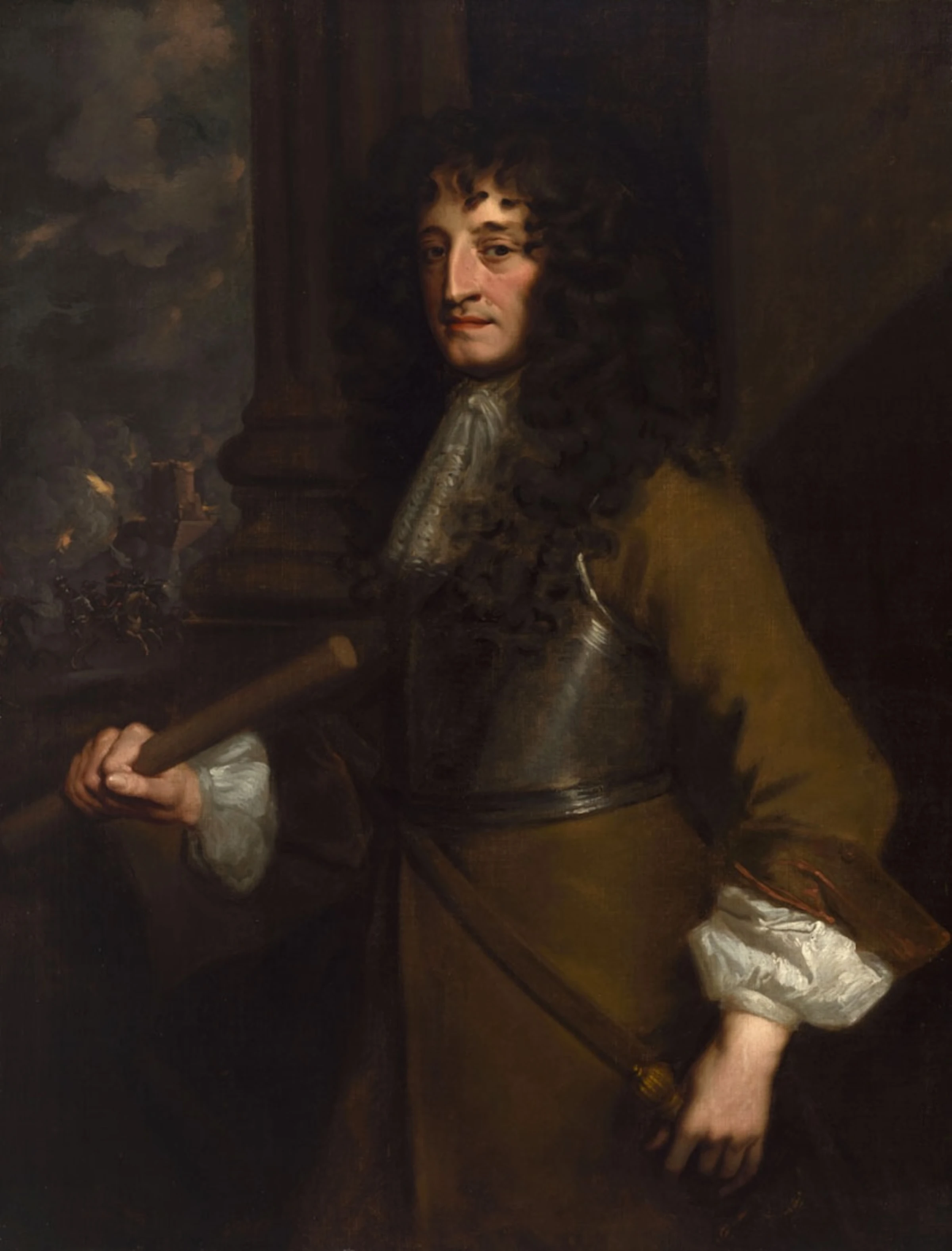
A rediscovered portrait of Prince Rupert sold for CA$217,250 at Heffel Fine Art Auction House’s spring sale on 21 May, more than doubling its low estimate and turning an attribution correction into a market event. According to Artnet’s report on the sale, the painting had spent centuries inside the Hudson’s Bay Company collection and was long assigned first to the studio of Anthony van Dyck and later to Jacob Huysmans before new research linked it to Peter Lely. That matters because attribution is not a footnote in the Old Master market. It changes the painting’s place in art history, its relationship to royal portraiture, and the seriousness with which collectors and institutions read the object.
Prince Rupert is not a neutral sitter. He was a military commander, a royal nephew, and a figure bound up with Restoration mythmaking. In the Lely attribution, the painting becomes more than a competent aristocratic likeness. It becomes part of a deliberate visual program around power, legitimacy, and dynastic image-making in seventeenth-century Britain. That is why the result cannot be reduced to a pleasant surprise at auction. Buyers were bidding on scholarship, provenance, and a reopened historical narrative at the same time.
The sale also arrived with an unusually charged provenance story. The picture came from the Hudson’s Bay Company collection, a corporate holding that has become newly visible because of bankruptcy proceedings and the court-managed dispersal of the firm’s art and artifacts. In other words, this was not just an Old Master resurfacing from a manor house or private trust. It was a work released from one of the most historically layered commercial collections in North America. That background gave the lot institutional heft before the first paddle went up.
Attribution, Scholarship, and the Value of Looking Again
The modern market likes fresh discoveries because they offer a clean narrative: hidden treasure, new expert opinion, decisive sale. The reality is slower and more interesting. Old Master attributions often move through decades of uncertainty, comparison, technical examination, and changes in scholarly fashion. In this case, the work’s public showing in 1932 encouraged scholars to see Jacob Huysmans rather than van Dyck’s orbit, while current researchers argued for Lely by comparing the composition to a related version in Florence’s Galleria Palatina at Palazzo Pitti. The act of looking again, with better comparative material and a different art-historical frame, changed the object’s status.
That shift is crucial because Peter Lely occupies a distinct place in British portraiture. As court painter to Charles II, he shaped how Restoration power was visualized after the civil wars and Commonwealth. A Prince Rupert image by Lely carries political theater in its very facture: the armor, the battlefield setting, the column, the controlled grandeur of the pose. These signals align the sitter with heroic service and stable monarchy. Reattributing the work to Lely therefore restores the painting’s intended ideological pitch. It is not merely more valuable because the name is bigger. It is more legible because the image makes fuller historical sense.
For collectors, this is where the romance of discovery meets the discipline of connoisseurship. The best attribution stories remind the market that expertise still matters in an era obsessed with liquidity and headline totals. A work can sit in plain sight for generations and still be misread. When scholarship catches up, the price reacts, but so does the institutional interest. Museums pay attention when a picture can suddenly speak more clearly to period politics, workshop practice, and collecting history.
The Hudson’s Bay Company Collection and the Politics of Provenance
Provenance did heavy lifting here. The Hudson’s Bay Company is not just an old corporation; it is a colonial enterprise whose history reaches into trade, governance, extraction, and image-making across Canada and beyond. A painting believed to have been gifted by Prince Rupert around the company’s founding in 1670 is freighted with that history. It carries the aura of continuity, but also the discomfort that accompanies any corporate collection formed within imperial systems. Provenance adds value because it gives a work a story. It can also complicate value because the story is not always flattering.
That tension is part of why the company’s collection has drawn such close attention since insolvency proceedings began. Court-approved sales convert heritage into liquidity, forcing public debates about whether significant works should remain together, move into museums, or be released to the market. Heffel’s role as the appointed auctioneer places the firm at the hinge between stewardship and dispersal. Every result is therefore both commercial data and a cultural-policy event. When a picture with this level of provenance outperforms expectations, it encourages further appetite for the collection while also sharpening concern about what private bidders will carry away.
The Prince Rupert portrait condensed those issues unusually well. It had royal associations, corporate history, and a revised attribution powerful enough to attract attention beyond Canadian collecting circles. The lot showed how provenance can operate on several levels at once: as a guarantor of authenticity, as a source of prestige, and as a reminder that institutional histories are tangled with economic and political systems that deserve scrutiny rather than reverence.
What the Sale Says About the Canadian and Old Master Markets
Heffel’s broader spring sale totaled CA$22.4 million, close to last year’s level, with record-setting enthusiasm for E.J. Hughes and strong prices for Group of Seven figures like Arthur Lismer, A.J. Casson, and Lawren Harris. That context matters. The Prince Rupert result was not an isolated freak. It landed in a sale that suggested persistent confidence among collectors willing to compete for scarce, museum-grade material. In practical terms, the Canadian market still shows depth at the top when quality, provenance, and story converge.
For the Old Master segment specifically, the sale is a reminder that the category is healthier than its caricature. The lazy assumption is that Old Masters matter only to a shrinking club of specialists while contemporary art soaks up the spectacle. Yet reattribution, conservation-driven scholarship, and cross-border collecting continue to generate sharp results when works arrive with compelling evidence and a usable narrative. The Prince Rupert picture was not sold as dusty heritage. It was sold as a rediscovery with documentary force, a point reinforced by the comparison to major public collections such as the Royal Collection.
There is also a useful contrast with more speculative sectors of the market. Contemporary buying often chases momentum, scarcity theater, or brand heat. Old Masters usually move more slowly and require more explanation. But that very slowness can protect value when scholarship is solid. A picture attributed upward on persuasive grounds can still produce excitement that feels earned rather than manufactured. In a market nervous about overhyped contemporary inventory, that has its own appeal.
The sale also deserves to be read alongside artworld.today’s recent look at fake antiquities and provenance fraud at Sotheby’s. That story was about deception detected too late in the selling process. The Prince Rupert portrait sits at the opposite pole: a work whose value increased because attribution and provenance were clarified rather than blurred. Put together, the two stories show the same market truth from different angles. Old objects do not trade on age alone. They trade on the credibility of the stories that experts, auction houses, and collectors can defend.
What Comes Next After a Result Like This
The immediate consequence of the sale is clear: the painting’s public profile has changed. A work that might once have circulated mainly within specialist circles now has a fresh auction result, a sharpened attribution case, and renewed visibility for institutions, collectors, and scholars. That will invite more scrutiny, not less. Further research may deepen the Lely argument, clarify dating, or connect the picture more precisely to the Hudson’s Bay Company’s early collecting history. Good sales do not end scholarly conversations. They widen them.
More broadly, the result will intensify attention on what remains in the Hudson’s Bay Company holdings and on how Heffel positions future lots from the collection. Buyers will now expect more than nostalgic corporate residue. They will look for works that can bear art-historical, institutional, or national narratives. Museums, meanwhile, may feel greater urgency to monitor the dispersal and consider whether certain objects belong in public collections rather than private ones. That tension between market opportunity and public stewardship is likely to define the next phase of these sales.
There is also a quieter institutional consequence. When a work like this is upgraded through scholarship in public view, auction houses gain leverage in presenting themselves not just as salesrooms but as provisional research platforms. That is useful marketing, but it is also partly true. Cataloguing, comparison, and consultation can change the historical standing of an object before it ever reaches a collector. The best question after a sale like this is not only whether the estimate was too low. It is whether the market has become one of the last places willing to fund sustained looking at works that fall between museum acquisition budgets and private inheritance.
The sharpest lesson is simple. Rediscoveries matter most when they do more than flatter the market. This one reopened a conversation about attribution, monarchy, corporate memory, and the afterlife of a colonial collection. That is why the Prince Rupert portrait sold so well. It offered not just a better name, but a bigger story.