England Museums Push Back on Tourist Fees
English national museums are resisting a proposal to charge overseas visitors, warning it could damage access, tourism spending and cultural legitimacy
English Museums Are Rejecting a Two-Tier Admissions Model
England's debate over museum funding has moved from private frustration to public argument. According to The Art Newspaper, national museums across England are pushing back against a proposal to charge overseas visitors while keeping domestic entry free. The idea entered the official bloodstream through the UK government's response to Margaret Hodge's review of Arts Council England, which floated the measure as a possible revenue stream. What makes the reaction striking is not that museums dislike a new administrative burden. It is that several institutions are treating the proposal as a threat to the civic logic of free entry itself, warning that it would turn museums from public infrastructure into a border checkpoint with a gift shop attached.
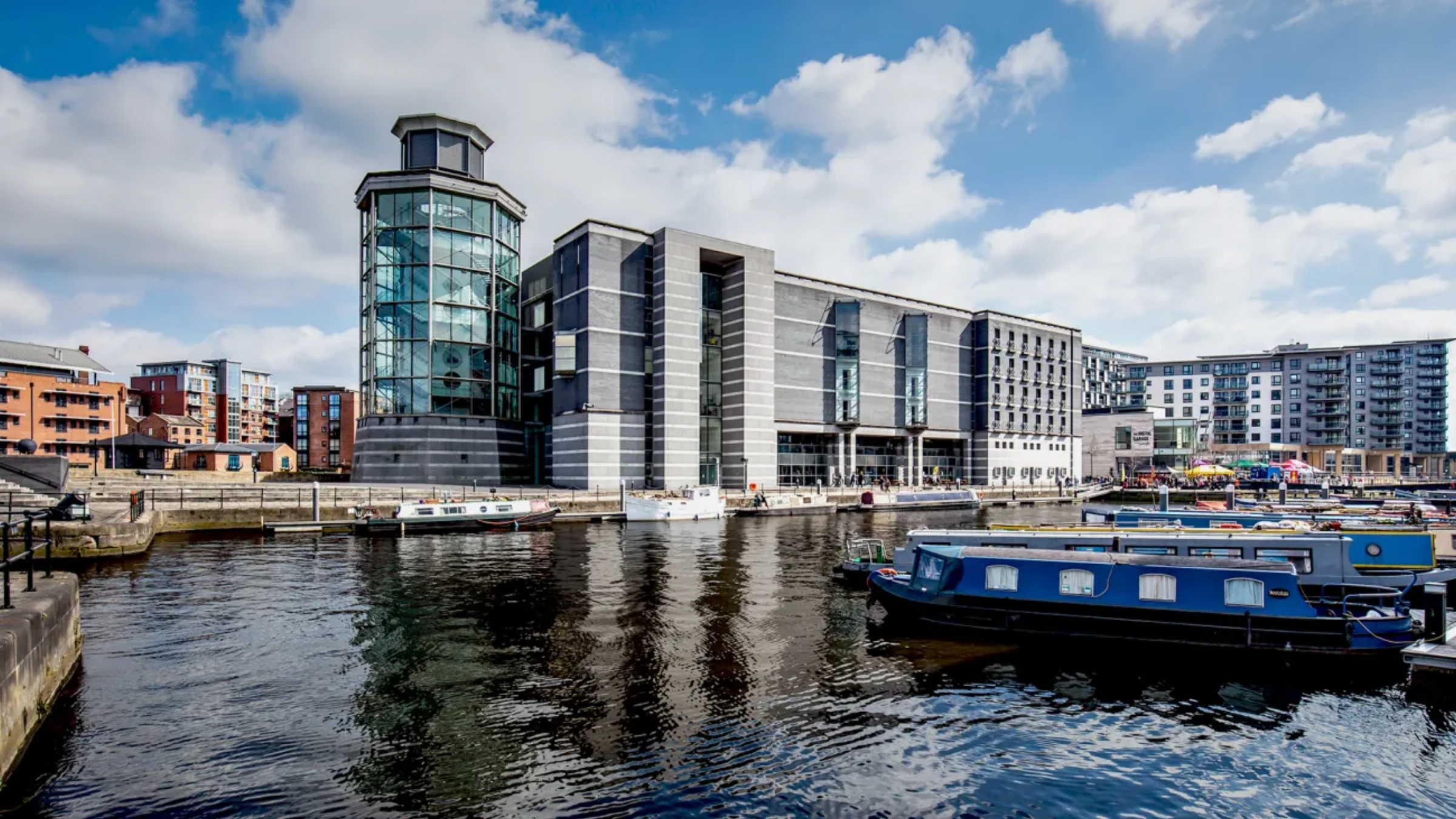
The loudest objections have come from institutions that know exactly how precarious free admission can be. The Royal Armouries argued that a tourist surcharge would undermine universal access and project a Britain short on confidence and generosity. That phrasing matters. Museum leaders are not only disputing the bookkeeping. They are arguing over what public museums are for, and whether visitors should encounter the national collection as citizens of a cultural commons or as users sorted into chargeable and non-chargeable classes.
Margaret Hodge's Proposal Turns Funding Stress Into an Identity Test
The proposal emerged from a wider review of Arts Council England, but the museum fee idea has eclipsed almost everything else because it touches a political nerve that British cultural policy has spent two decades avoiding. Since Labour restored free general admission to national museums in the early 2000s, free entry has been treated as one of the few unambiguous cultural successes of the period. Visits surged, public legitimacy deepened and museums could make a credible claim that the national collection really belonged to everyone. Reopening the admissions question now, even selectively, signals that the financial squeeze has become severe enough to test what once looked settled.
Hodge herself complicated the case. She reportedly told Parliament that any charging mechanism would require a universal digital ID system and that, absent such infrastructure, the policy would not be worth the hassle or the unfairness. That admission cuts to the core problem. A tourist fee is often presented as a clean economic tool: charge people who have not paid into the domestic tax base and preserve free access for residents. In practice, it requires identity verification at scale, new staffing, new queue management, new privacy questions and new opportunities for embarrassment at the front door.
The numbers are also less impressive than the rhetoric. Hodge estimated that the measure might bring in under £10 million, a figure that looks thin beside the political noise it has generated. Directors who oppose the plan are not only protecting principle. They are reading the likely revenue as too small to justify the friction, especially once museums factor in slower entry, lower spontaneous visitation and potential losses in shops, cafés and paid exhibitions. Tristram Hunt at the V&A has already argued that admission charges depress broader visitor spending and may invite the Treasury to cut grant support if institutions appear newly self-sufficient.
That is the wider pattern readers should watch. Museum finance arguments are rarely just about the named policy lever in front of them. A government department can point to modest projected earnings and claim that every contribution helps, while museums are left to absorb the hidden costs: more front-of-house training, altered queue flows, more customer disputes and a changed relationship with tourists who may already be spending heavily in the surrounding hospitality economy. We have seen a similar institutional logic in other sectors of the art world, including the scramble for private rescue capital described in our recent report on Chanel and the Centre Pompidou. Once public institutions start patching structural gaps with improvised revenue fixes, the emergency measure has a habit of becoming the new normal.
The Colonial Collection Problem Will Not Disappear at the Ticket Desk
One reason the tourist-charge proposal feels especially brittle is that it lands on museums whose collections are inseparable from imperial histories. The Cultural Policy Unit has argued that charging foreign visitors to see globally sourced collections would not merely be awkward. It would be ideologically incoherent. The example that keeps surfacing is the British Museum asking Nigerian visitors to pay to see the Benin Bronzes or Egyptian visitors to pay to see the Rosetta Stone. Even people who oppose restitution can grasp the optics: Britain would be monetising access to objects acquired through unequal historical power while calling the result a reasonable visitor levy.
This is why museum leaders are stressing reputational damage as much as balance-sheet impact. The United Kingdom sells itself internationally as a place where world culture is unusually accessible. Free entry is not simply a service model. It is part of the country's soft-power story and one of the few cultural policies that translates easily to tourists, school groups and casual visitors. Once museums begin separating foreign and domestic bodies in line, the symbolism changes. The queue itself becomes a lesson in who the institution thinks it serves first.
The proposal also exposes a contradiction in cultural nationalism. British politicians often invoke museums as proof of national confidence, educational breadth and international seriousness, yet the funding logic now being tested assumes those same institutions should extract more value from outsiders because the state will not cover the difference. That is a narrow and ultimately self-defeating reading of what museums contribute. Their public value is not exhausted at the ticket barrier. Free access helps shape school visits, scholarly travel, repeat attendance, philanthropic goodwill and the broader atmosphere that makes London and other English cities cultural destinations in the first place. Once ministers reduce that ecosystem to a small admissions calculation, they reveal how little they understand the institution they are trying to monetise.
What Museums Actually Need Is Stable Public Funding, Not a Clever Gate
The institutions opposing the proposal are not pretending the funding crisis is imaginary. Department for Culture, Media and Sport support has fallen sharply over the past decade, and directors are under constant pressure to stretch earned income, philanthropy and commercial hires without hollowing out the public mission. That is why some sector figures prefer alternatives such as a broader overnight visitor levy that feeds cultural infrastructure without turning museum entrances into identity checkpoints. The idea has support because it treats culture as part of the public environment tourists use, rather than making museums alone police the distinction.
Maria Balshaw's reported opposition and Karin Hindsbo's warning that retail and catering losses could wipe out any gains show how little consensus there is for direct charging inside the sector itself. Even Mark Jones's case for asking foreign visitors to contribute rests on a political truth more than a museum one: governments like targeted charges because they appear less painful than admitting core institutions are underfunded. A tourist fee offers the look of fiscal ingenuity while avoiding the harder argument that public collections need public money.
There is also a labour question lurking just under the public debate. Every new admissions distinction has to be administered by someone, usually lower-paid visitor-facing staff who are then expected to absorb confusion, frustration and political resentment in real time. That reality is rarely foregrounded in ministerial language about efficiency or significant benefits. Yet it is central to whether the plan is workable. Museums have spent years trying to present themselves as welcoming civic spaces; forcing staff to become immigration-adjacent gatekeepers would pull in the opposite direction and test morale at institutions already operating under financial strain.
What comes next is likely a slow policy grind rather than an immediate reversal. The government is not expected to decide this year until later in the cycle, which means directors now have time to turn a technical proposal into a public campaign about the meaning of access. They should use it. If museums lose the argument at the level of principle, the rest will follow with surprising speed. The real issue is not whether a museum can squeeze a few extra pounds from a visitor from abroad. It is whether England still believes the national museum is a public good before it is a revenue opportunity.
For readers outside Britain, the debate is worth watching because it condenses a global problem into one policy dispute. Across Europe and North America, governments increasingly praise museums as engines of place-branding, education and social cohesion while shrinking the dependable public support that lets those claims remain true. Institutions are then asked to close the gap through premium experiences, donor cultivation and targeted charging that supposedly leaves the mission untouched. It never does. The terms of access, the tone of the welcome and the political imagination of the museum all shift. England's tourist-fee debate may be local in form, but it is international in consequence.
What makes this case especially revealing is how quickly museum directors recognised the trap. Once an institution accepts selective charging as reasonable, it becomes easier for future governments to widen the category, lower baseline grants and describe the result as prudent modernisation. A temporary measure turns into a precedent, and the precedent turns into policy common sense. That is why the opposition matters even if the projected revenue looks small. Directors are not simply arguing over one fee proposal. They are trying to stop a long-term reframing of the museum from public entitlement to managed consumer service.