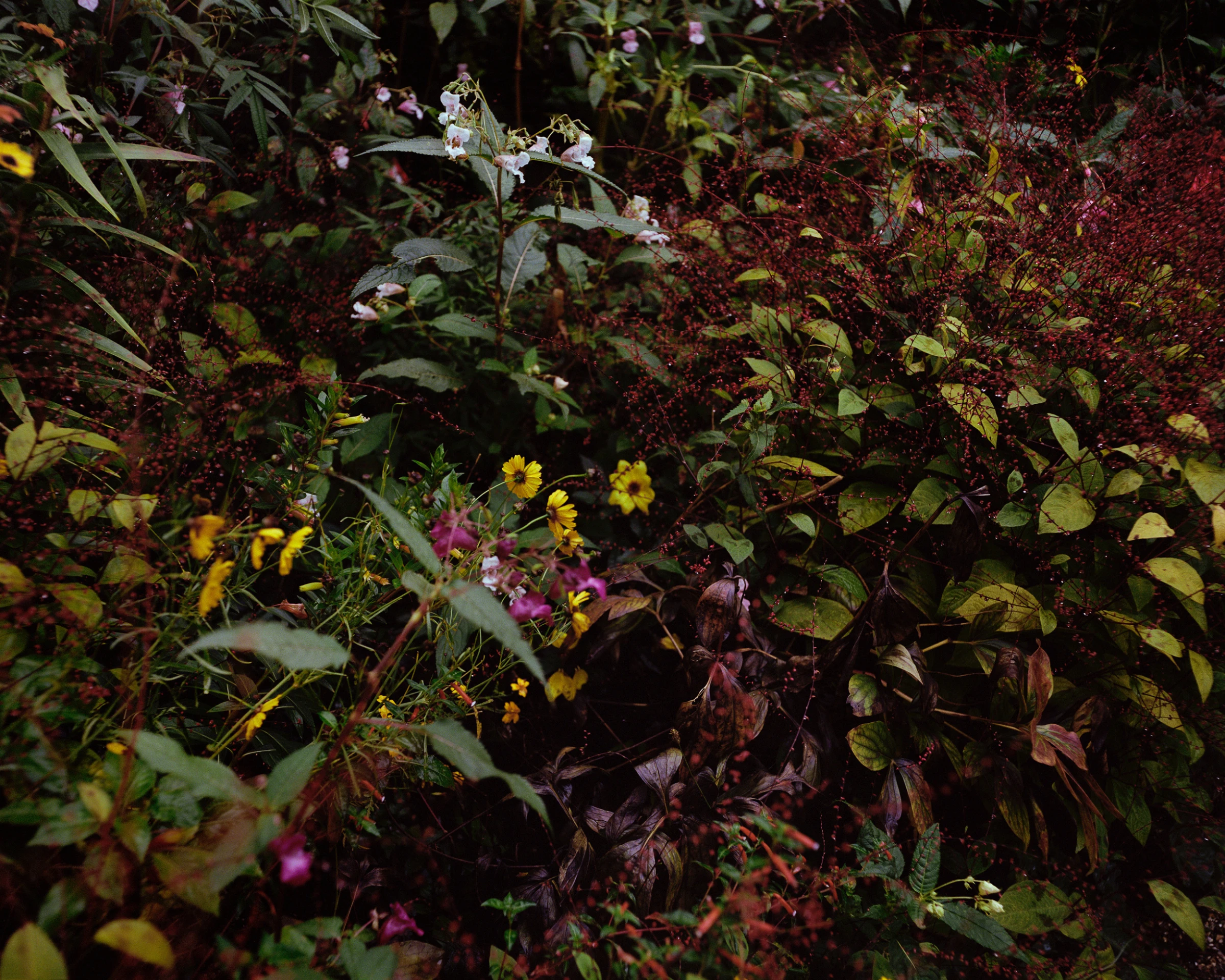
Elle Pérez Plans Puerto Rico Residency
Elle Pérez is raising funds to turn a family house in Cabo Rojo into Casa Pérez, an artist residency shaped by inheritance, place, and land politics
Why Elle Pérez’s Residency Plan Resonates Now
Elle Pérez is trying to turn a family house in Cabo Rojo, Puerto Rico, into an artist residency called Casa Pérez, and the pitch lands with unusual force because it joins intimacy, land politics, and artist-led institution building in one place. Artnet’s account of the project describes how Pérez is selling one-off chromogenic studio prints to raise $100,000 to buy out relatives who inherited the house. That fundraising target is modest by museum standards and significant by artist standards. It represents the threshold between a family property remaining distributed among heirs and the site becoming a stable cultural asset with a mission.
The idea matters because artist residencies are often discussed in abstract terms: retreat, community, exchange, experimentation. Casa Pérez begins somewhere less generic. It begins with inherited space, family continuity, and the question of what it means to convert private memory into public support for future artists. Pérez’s photographs have long been alert to tenderness, place, and the emotional charge of domestic environments. A residency grown from a real house rather than a brand concept makes the institutional proposal feel consistent with the work rather than appended to it.
The timing sharpens the story. Puerto Rico has seen intense pressure from luxury development, speculative real estate, and tourism-led visions of value, especially in coastal areas. In that context, saving a family home in Cabo Rojo for nonprofit cultural use is not simply a romantic gesture. It is an intervention in how land gets claimed, priced, and narrated. Casa Pérez proposes a different use for desirable property: not extraction, not resale, but a structure for artistic return.
From Family Inheritance to Cultural Infrastructure
Pérez told Artnet the house has been in the family since at least the 1920s. That detail does more than authenticate sentiment. It places the project inside a century-scale family history, one that links migration, inheritance, and the uneven transmission of property. Many artist-run spaces are celebrated for their ingenuity but struggle because they emerge from short-term leases or philanthropic fashions. Casa Pérez, if secured, would start with a deeper root system. That does not guarantee permanence, but it gives the project a structural seriousness often missing from quickly assembled residency models.
The fundraising mechanism is also revealing. Rather than seeking immediate institutional underwriting, Pérez is offering studio prints through a collaboration with Public Relations, the cultural office described in the launch coverage. This is not merely merch or patronage by another name. It is a conversion of market attention into nonprofit capacity. Collectors who buy the prints are not purchasing access to a residency brand. They are helping an artist move a family property into a different civic category. The transaction retains the art object, but the larger goal is infrastructure.
That distinction matters because the contemporary art world has grown crowded with initiatives that talk about care while relying on the same extractive economics they claim to resist. Casa Pérez may still depend on collectors, networks, and visibility, but its purpose is concrete and legible. Secure the house. Keep it in a form that can serve artists. Build an institution at a scale the founder actually understands. There is a refreshing lack of bloat in that sequence.
The Puerto Rico Context Changes the Reading
No serious account of the project can ignore Puerto Rico’s broader political economy. The debate is inseparable from development pressure in Cabo Rojo and from how artists think about land, access, and permanence in places marketed aggressively to outside capital. Even without a formal prospectus yet online, the contours are legible through Pérez’s own institutional track record at the Whitney Biennial, the Carnegie Museum of Art, and the Baltimore Museum of Art, where their work has already circulated inside major museum frameworks.
No serious account of the project can ignore Puerto Rico’s broader political economy. Cabo Rojo and other parts of the island have become sites of development pressure, tax-driven relocation, and speculative interest that often treat land as a portfolio component rather than lived geography. Pérez explicitly connected the residency plan to those conditions, citing the controversial Esencia resort project and the stakes of maintaining nonprofit artistic space in a region where ownership patterns are under stress. That gives Casa Pérez a sharper edge than the usual residency announcement.
There is a long history of artists working through inherited or improvised spaces in places where formal infrastructure is thin or unevenly funded. What makes this case distinct is that the property itself is part of the story’s politics. A family home is not a blank container. It comes with obligations, negotiations among relatives, and emotional attachments that do not disappear when a nonprofit vision enters the room. Turning such a place into an artist residency requires administrative skill, but it also requires ethical tact. The residency has to honor memory without freezing the house into private nostalgia.
This is where Pérez’s own practice becomes relevant. Their photography often works through closeness rather than spectacle, through fragments of bodies, interiors, gardens, and moments of trust. A residency formed from that sensibility could produce something different from the careerist retreat model that dominates many programs. It could prioritize relation, slowness, and grounded encounter with place. That promise is still aspirational, but it is embedded in the project’s origin story in a way that feels convincing.
What Casa Pérez Suggests About Artist-Led Institutions
The project also speaks to a broader shift in contemporary art: more artists are trying to build the conditions they cannot rely on existing institutions to provide. Some establish schools, archives, rural labs, publishing platforms, or community land trusts. Others repurpose homes and studios into semi-public spaces that carry both personal and collective meaning. Casa Pérez belongs to that landscape. It is not monumental, but it is pointed. It asks what kind of institution can emerge when an artist begins with an inherited site rather than a developer’s blank page.
There is strategic value in that scale. Large institutions are harder to found, slower to adapt, and often captured by board politics before their missions fully stabilize. Small artist-led institutions can remain more legible. Their limits are obvious, but so are their commitments. If Casa Pérez succeeds, it may become important not because it tries to rival a museum, but because it stays specific about whom it serves and why. The best artist-run spaces are powerful precisely because they do not confuse intimacy with small ambition.
The residency model itself has been due for rethinking. Too many programs circulate the same soft language about experimentation while offering little clarity about labor, accessibility, community accountability, or place. Casa Pérez, at least at this stage, begins with a materially clear objective and a politically charged location. That alone distinguishes it from a field crowded with generic promise.
There is a useful internal comparison here too. artworld.today recently covered Roberto Lugo’s monumental tribute to Puerto Rican culture in Manhattan, a public-art project that translated diasporic identity into civic scale. Casa Pérez works at the opposite register: domestic, local, and infrastructural rather than monumental. But both stories ask who gets to shape Puerto Rican cultural visibility, and through what kind of institution. One works through sculpture in a major park. The other may work through a house that teaches artists how place carries memory.
What Comes Next for the Fundraising Effort
The practical challenge is obvious: raising the money is only the first threshold. After that come questions of governance, programming, maintenance, legal structure, and how the residency will balance local commitments with international attention. A house can become a cultural project quickly in narrative terms and much more slowly in administrative reality. Pérez will need a durable structure that protects the property from future instability while allowing the residency to evolve beyond the founder’s direct oversight.
Still, the project already carries more credibility than many speculative art-world announcements because the stakes are concrete. The house exists. The family history exists. The funding goal exists. The political context exists. If the campaign succeeds, Casa Pérez could become a telling example of how artists convert personal inheritance into cultural commons without pretending that property, memory, and community are simple to reconcile.
Another reason the project stands out is that it treats administration as part of artistic responsibility rather than a compromise with it. Too often the art world romanticizes artists who improvise space while leaving someone else to absorb the legal, familial, and maintenance labor required to keep that space alive. Casa Pérez begins by naming those obligations. Buying out heirs, stabilizing ownership, and creating a nonprofit use structure are not glamorous gestures, but they are precisely the work that allows a cultural vision to outlast a season of enthusiasm.
The project may also influence how mid-career artists think about legacy. Rather than waiting for a museum retrospective or foundation endowment to certify seriousness, Pérez is building a structure that links practice, family history, and future artists in the present tense. That choice is modest in scale and ambitious in implication. It suggests that legacy is not only what institutions say about an artist later. It can also be the material conditions an artist decides to create for other people now.
The sharpest reason to pay attention is that Casa Pérez is not selling fantasy. It is selling a transfer: from family asset to artistic resource, from private continuity to shared use. In a market that often mistakes scale for seriousness, that is an unusually grounded form of ambition.