How to Read Museum Retail Strategy in 2026
When museums start treating gift shops as destinations, read the floor plan, licensing choices, product language, and labor model before you call it harmless merch.
Start by assuming the shop is part of the institution's argument
People still talk about museum stores as if they are side rooms attached to the real thing. That language is outdated. In 2026, retail is increasingly embedded in how museums frame the entire visit, from anticipation to afterlife. The most useful first move is to stop treating the shop as a harmless appendix and instead read it as an editorial surface. Look at the institution's own retail presence, whether that is the Met Store, the Tate Shop, the V&A Shop, or specialized exhibition merchandise across major institutions. The products are not random. They are compressed statements about what the museum believes can circulate beyond the gallery and still carry some trace of prestige, memory, or affiliation.
That is why a shop deserves the same kind of close reading people readily apply to a wall text or annual report. What gets miniaturized into a tote bag? What gets converted into jewelry, tableware, stationery, cosmetics, toys, or apparel? Which artist names become a graphic style, and which never leave the catalogue? If you map those decisions, you are already reading the institution's hierarchy of legibility. The shop tells you which works are considered iconic enough to be merchandised, which audiences are expected to buy, and how aggressively the museum wants to position itself inside everyday consumption.
Read the floor plan and timing before you read the products
The first serious question is not what is on sale. It is where retail sits in the visitor journey. Is the store physically unavoidable at exit? Is it visible at entry? Has the museum built a welcome hall, ticketing sequence, or cafe strategy that moves visitors past merchandise before they reach the galleries? These are architectural choices with ideological consequences. When a store becomes part of the threshold rather than the epilogue, the institution is saying that commerce belongs near orientation and identity, not merely memory.
This is one reason major capital projects deserve retail scrutiny. In our reporting on Getty's modernization plans, the proposed welcome hall includes an expanded bookstore. That is not an incidental amenity. It reveals a museum thinking about circulation, dwell time, and revenue as one integrated system. A serious reader should ask whether the institution is improving public service, increasing per-visitor spend, or trying to do both. Usually the answer is both, but the balance matters.
Timing matters too. Retail strategies often intensify when institutions face funding pressure, expensive building campaigns, or the need to diversify income without appearing to commercialize the collection directly. If the store suddenly becomes more prominent, check what else is happening around it: a major exhibition cycle, a capital redevelopment, a drop in public subsidy, or a leadership change emphasizing audience growth. Retail rarely expands in a vacuum.
Look at licensing choices because they reveal the museum's appetite for lifestyle branding
Once you move from floor plan to product mix, pay attention to licensing and collaboration. There is a difference between reproducing an artwork in a catalogue and turning a museum identity into a lifestyle system. Branded caps, beauty products, kitchenware, pet accessories, and fashion collaborations all push the institution further into everyday self-styling. That can be clever, generous, and genuinely democratic. It can also flatten artworks into mood boards. The question is not whether merchandising is allowed. It is what the museum thinks it is doing when it authorizes it.
A useful diagnostic is to sort products into three groups. First are straightforward educational or documentary objects: books, facsimiles, postcards, prints. Second are interpretive extensions: products that meaningfully translate a motif, material, or exhibition idea into another form. Third are pure affiliation goods: items that mostly let the buyer signal cultural belonging. Every museum has all three categories. What changes from institution to institution is the proportion. A store dominated by affiliation goods is usually telling you that brand identity has become as important as collection specificity.
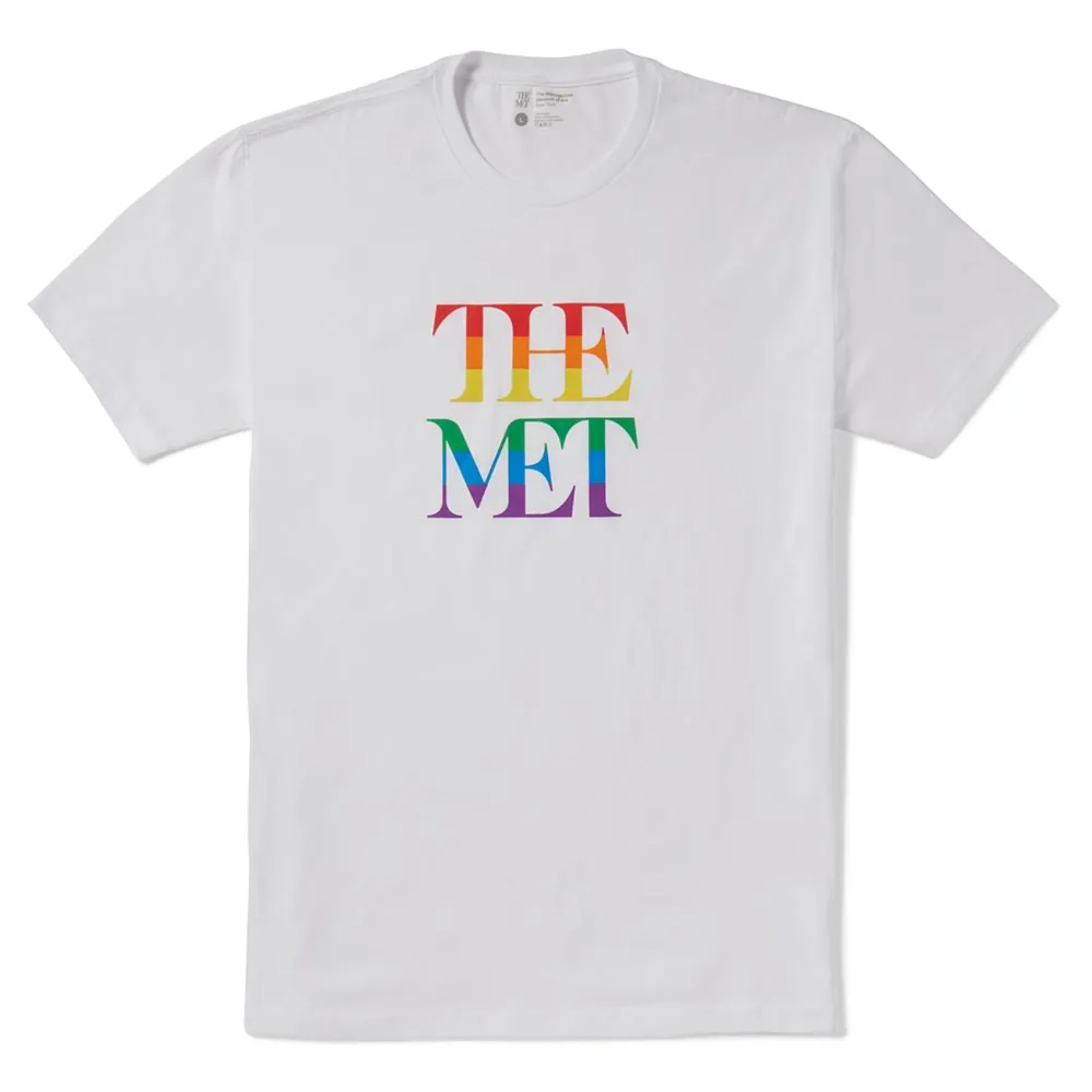
That does not automatically cheapen the institution. Sometimes a strong retail identity helps museums reach younger audiences or less traditional visitors who may not buy catalogues but will wear a T-shirt or carry a bag. The point is to read that move honestly. A museum shop can democratize access to cultural symbols while also recruiting the visitor into unpaid brand circulation. Both things can be true at once.
Follow the language because product copy reveals the institution's self-image
Museum retail language is often more revealing than the products themselves. Read how items are described online. Are they framed through scholarship, craftsmanship, artist biography, institutional heritage, trend language, or collectible scarcity? A shop that describes products with curatorial seriousness is trying to preserve intellectual authority inside commerce. A shop that leans into lifestyle tone is making peace with a different role. Neither approach is inherently superior, but each signals a distinct theory of what the museum is for.
Notice also how often institutions justify their stores through education, support, or mission. Those claims are frequently true. Revenue from retail can support programming, conservation, and acquisitions. But that language can also conceal an important shift: the store is not merely funding the museum. It is shaping how the museum is imagined. When a shop becomes one of the institution's most visible digital interfaces, it does not just reflect the brand. It helps produce it.
This is where readers should compare the shop's public voice with the institution's stated mission. Does a museum committed to rigorous historical interpretation merchandise itself with the same seriousness? Does a socially engaged institution rely on supply chains or product categories that undercut its public ethics? Does a design museum sell craft with proper attribution, or does it collapse makers into an anonymous luxury sheen? Retail language makes these contradictions surprisingly easy to spot.
Track labor and sourcing, because the ethics do not stop at the object
A museum can speak beautifully about culture while running a retail operation that depends on opaque manufacturing, under-credited design labor, or an overworked visitor-services workforce carrying extra sales expectations. This is one of the least glamorous but most important parts of reading museum retail strategy. Ask where products are made, who designed them, how collaborations are credited, and how much of the shop's promise depends on frontline labor rather than curatorial imagination.
Institutions that celebrate artisanship or social responsibility should be especially legible on sourcing. If provenance matters for objects in the collection, why not for goods in the store? If fair labor matters in exhibition interpretation, why should it disappear in the retail channel? Museums often want the moral authority of culture to extend over their merchandise without granting the same scrutiny to the conditions under which it is produced. A good reader resists that convenience.
The labor question also extends to the visitor experience. Are shop workers treated as educators, sales staff, or some unstable hybrid expected to perform both functions without the pay or recognition of either? Retail expansion can quietly reshape institutional labor hierarchies. A stronger storefront may indicate commercial ambition, but it can also reveal where pressure is being redistributed internally.
Use exhibitions as stress tests for what the museum thinks can be sold without embarrassment
The sharpest retail reading often happens around temporary exhibitions. Shows force museums to decide which themes can be translated into goods and which should remain resistant to commodification. Sometimes the choices are elegant. A motif, typography system, or archival detail becomes a thoughtful object that extends the show's ideas. Other times the store gives away the institution's anxiety. Complex politics are softened into slogans. Difficult histories are stripped of friction so they can sit comfortably on a mug.
Watch closely when exhibitions concern trauma, social struggle, sacred material, or politically live subjects. What refuses to become merchandise can be as instructive as what makes it to the shelf. A museum that exercises restraint may be protecting the integrity of the subject. A museum that merchandises everything may be telling you that no content is too charged to escape the logic of lifestyle branding. There is no universal rule here, but there are definitely better and worse editorial judgments.
It helps to compare retail choices with adjacent institutional channels too. Museums that invest heavily in publishing, licensing, and e-commerce often present the store as just one arm of a larger interpretive ecosystem, similar to how the Getty Publications program extends scholarship beyond the gallery. The comparison is useful because it separates retail that genuinely carries ideas outward from retail that simply monetizes logos.
This is also the moment when shop strategy intersects with audience segmentation. Exhibition merch can target insiders with coded references, families with simplified design, tourists with broad recognizability, or collectors with limited editions. The mix tells you who the institution thinks the show is really for, beyond whatever inclusive language appears in the press release.
Judge the shop not by whether it exists, but by how truthfully it fits the museum
The last rule is the most useful because it avoids easy moral panic. Museums need revenue. Shops are not going away, nor should they. The serious question is not whether a cultural institution sells things. It is whether the retail system is honest about the institution's values, audience, and economic model. A coherent shop can deepen a museum's identity, extend scholarship into everyday life, and make cultural memory portable in intelligent ways. A lazy shop simply launders prestige into objects.
If you keep that distinction in mind, museum retail stops looking like a trivial side issue and starts reading as one of the clearest diagnostic tools available. It tells you what the institution thinks is iconic, legible, monetizable, and socially acceptable to commodify. It shows where architecture, branding, labor, and mission converge. And it often reveals strategic change earlier than a formal policy document does.
So the next time a museum store starts behaving like a destination, do not ask only whether the products are tasteful. Ask what kind of institution requires them, what kind of visitor journey they support, and what they say about the museum's confidence in art alone. The answers are rarely innocent. They are often more illuminating than the merch itself.