How to Read Museum Infrastructure Announcements in 2026
Behind every shiny rendering is a fight over access, circulation, climate control, and institutional priorities. Read the operational story, not the mood board.
Start by asking what problem the institution is really trying to solve
Museum infrastructure announcements are designed to make you look at a future experience and feel optimism. New entrances, calmer plazas, greener systems, faster circulation, better food, more shade, more seating, smoother drop-off, improved accessibility: the language is always polished, and it is almost always true in a limited sense. What the announcements rarely say plainly is which underlying problem finally forced the institution to act. Was the site hard to reach? Was visitor flow broken? Were environmental systems aging? Was the building expensive to maintain? Did staff, not just visitors, struggle with the layout? Before you admire the renderings, identify the operational pain.
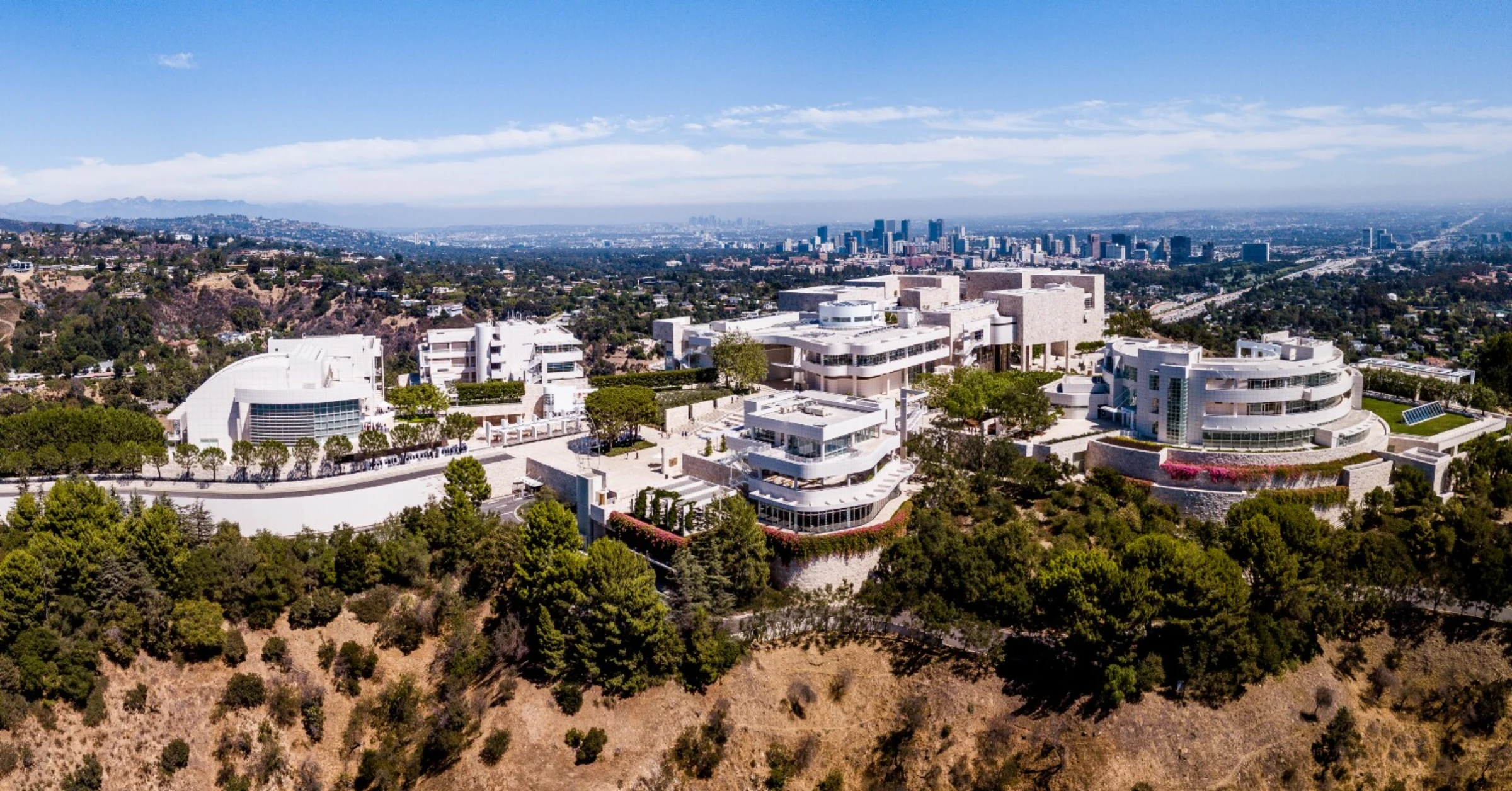
The Getty Center visitor campus is a good current example because its announced changes around trams, entry sequence, and green space are easy to market as visitor benefits while also revealing a deeper institutional concern with circulation and aging infrastructure. The immediate pitch is comfort and renewal. The more useful reading is that a world-famous campus built for one era of visitor behavior now needs to recalibrate for another. Infrastructure announcements are often delayed admissions that the old choreography no longer works. Even the campus architecture page shows how strongly Getty has always tied logistics to image-making.
That is why serious readers should translate every promise into a hidden question. Better access means access was insufficient. Cleaner routes mean bottlenecks existed. Sustainability upgrades mean old systems were inefficient or politically untenable. Expanded interpretation usually means the institution fears that the existing visitor script has grown too thin. Once you learn to read announcements this way, they become more informative and less sedative.
Read access claims as design claims, not as moral decoration
Every museum now knows it must speak the language of access. The word can cover disability access, geographic access, emotional welcome, transportation ease, clearer signage, or simply fewer frustrating choke points. Infrastructure announcements often let all those meanings blur together because the blur sounds generous. Do not let them. Ask which form of access is being improved, for whom, and by what concrete mechanism.
The new museum beneath the Lincoln Memorial shows why this distinction matters. Opening a hidden architectural layer to the public is an access story, but it is also a circulation, security, interpretation, and logistics story. A below-ground space has to be navigable, safe, and meaningful, not just open. If an institution says it is broadening access, look for the evidence in routes, elevators, timing, queue management, signage, staff deployment, and how the space will actually be used once the press release glow fades.
Readers who followed our guide to reading museum admission policy changes already know the rule: welcome language is not the same thing as welcome architecture. A museum can sound democratic while preserving a punishing arrival sequence. It can trumpet inclusivity while keeping the most intuitive routes available only to those who already know the institution well. Infrastructure is where values either become material or remain branding.
Separate public spectacle from back-of-house necessity
One of the smartest things institutions have learned is that visitors will tolerate large capital projects more easily if the work can be narrated as cultural vision rather than maintenance. Nobody gets excited by old pipes, vulnerable roofs, outdated transport systems, or climate-control overhauls in themselves. So museums bundle those necessities into larger stories about arrival, landscape, architecture, and renewed public life. That strategy is rational. It is also why you need to ask what percentage of any announced project is actually glamorous.
Look for clues in the details that appear almost accidentally. If the announcement mentions environmental performance, energy systems, flood resilience, seismic retrofits, loading improvements, or staff workspaces, the institution is telling you that the project is as much about survival as seduction. That does not make the project less important. In many cases it makes it more important. But it changes how you should evaluate it. A museum fixing invisible systems should be judged on seriousness and clarity, not on whether the renderings feel cinematic.
In this sense, infrastructure announcements are cousins of governance announcements. The point is not only what the institution wants the public to feel. The point is what the institution has finally concluded it can no longer defer. When a campus upgrade arrives after years of heavy footfall, rising utility pressure, and changing visitor expectations, it often means the margin for postponement has disappeared. Readers should treat that disappearance as part of the news.
Watch how institutions package interpretation alongside movement
Infrastructure projects increasingly come wrapped in interpretive ambition. This is not accidental. If a museum is redoing thresholds, underground space, or circulation paths, it has a chance to rewrite the story visitors encounter on arrival. The result can be genuinely useful. New spaces can carry archival material, context, orientation, and difficult history that older layouts never made room for. But the merger of movement and meaning also gives institutions new power to shape what feels obvious.
The Freud Museum's Leonora Carrington exhibition is not an infrastructure project, yet it offers a useful parallel. By structuring how viewers move through letters, drawings, and paintings, the museum turns layout into argument. Capital projects do the same thing at a larger scale. A new entrance can frame a collection differently. A reopened undercroft can convert architecture into interpretation. A rerouted tram can shift which building, garden, or vista feels primary. Movement is never neutral.
This is why descriptive phrases like enhanced visitor journey should make you alert, not sleepy. A journey is a sequence, and sequences are authored. Ask where the institution now wants you to begin, what it wants to delay, and what it wants to feel newly central. Design is a form of editorial control. Infrastructure announcements are often mission statements disguised as circulation plans.
Use timing and money to decode urgency
Whenever possible, line up the project timeline against what the institution has been publicly saying for the last few years. Sudden urgency usually has a cause. It might be deferred maintenance reaching its limit, philanthropic opportunity, reputational pressure, a tourism rebound, new leadership, or competition from rival institutions that have updated faster. Announcements tend to describe timing as if it emerged naturally from vision. In reality, timing usually reveals pressure.
Budget language matters just as much. If an institution emphasizes private fundraising, it may be trying to reassure a public that programming money is not being cannibalized. If it stresses public support, it may be making a legitimacy claim as much as a financial one. If it is vague about cost, expect the plan to remain concept-heavy until funding hardens. Project pages and related institutional statements often give more away than the launch announcement does. Read them together and note what disappears when the messaging turns outward.
That broader reading is especially important in 2026 because museums are under pressure from every side at once: wage demands, energy costs, climate adaptation, accessibility expectations, and audiences that want more comfort without accepting that comfort costs money. Infrastructure has become one of the places where institutions stage competence. The splashier the announcement, the more closely you should inspect the accounting and sequencing behind it.
Ask what remains unchanged and whether that is the real story
The strongest infrastructure announcements do not just list what is new. They reveal what the institution has decided to preserve. Preservation can be admirable, timid, or politically necessary. A museum may keep a difficult arrival sequence because the architecture is iconic. It may leave a weak educational model untouched because donors care more about landscape than interpretation. It may talk about openness while avoiding the labor conditions required to sustain the new public experience. The unchanged elements are often where the institution's true priorities live.
This is one reason the Getty and Lincoln stories are useful to read together. One is a high-design museum campus refining the mechanics of visitation; the other is a civic monument turning hidden structural space into public interpretation. They look different, but both show institutions trying to expand the range of what counts as cultural experience without sacrificing their most powerful existing image. That balancing act is hard. It is also exactly where the real editorial judgment sits.
If you want a shortcut, ask this final question: after the project is complete, what friction will visitors, staff, scholars, or maintenance teams still face? Institutions almost never answer that directly because announcements are written to generate momentum. But no project removes friction altogether. It redistributes it. The serious reader looks for where that friction is going next.
What a literate reader should do with the next big reveal
The next time a museum unveils a renovation plan, resist the trance of the hero image. Read the visitor page. Read the project note. Compare the stated benefits with the institution's old pain points. Separate access from atmosphere, maintenance from spectacle, and interpretation from circulation. Then decide whether the project sounds like a real operational solution or a beautifully branded delay.
That discipline matters because infrastructure is no longer backstage. It is now part of how museums sell legitimacy, welcome, environmental seriousness, and cultural ambition. If readers fail to decode that language, institutions get to present every capital project as pure uplift. Some deserve that confidence. Others deserve harder questions. The point is not to sneer at ambition. It is to understand what ambition is made of.
In the best cases, infrastructure announcements tell the truth about how culture is physically sustained: through routes, systems, repairs, elevators, shadows, drains, doors, and staff choreography. In weaker cases, they turn those realities into a cinematic veil over unresolved priorities. Learn the difference and you will understand far more than the renderings ever intended to show you.