How to Read Museum Expansion Announcements in 2026
A practical guide to spotting what museum expansion press releases reveal - and conceal - about access, money, politics, and the visitor experience
Start by Ignoring the Word “Transformative”
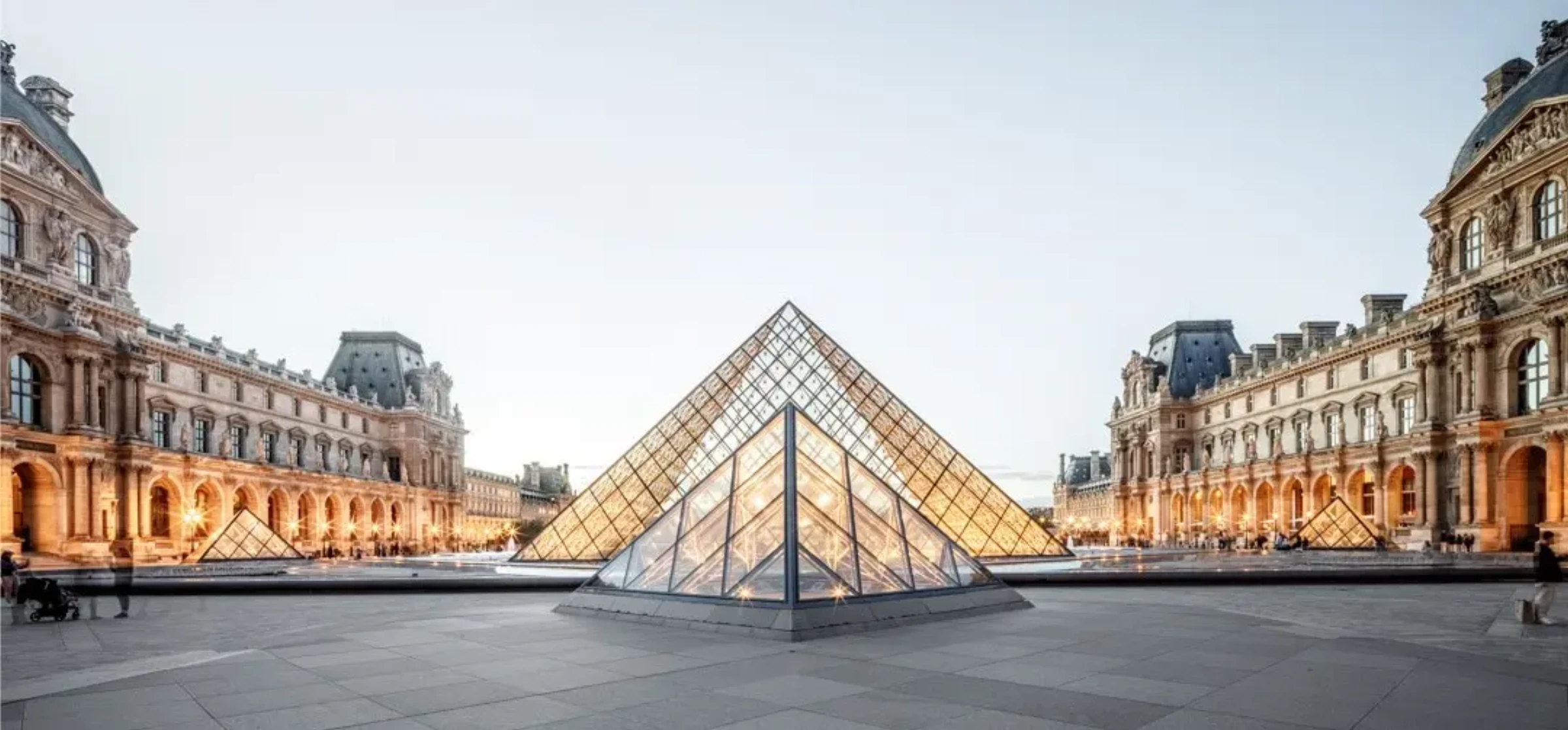
Museum expansion announcements are written to make conflict sound like consensus. The press release tells you a project will be open, sustainable, welcoming, accessible, and visionary, usually in that order. What it rarely tells you in plain language is where visitors currently get stuck, who is paying, what will be displaced, how collections will be rerouted, or which promises are really about crowd control rather than scholarship. If you want to read these announcements seriously, begin by stripping away the praise vocabulary and looking for the operational problem the institution is trying to solve. The Louvre's recent Grande Colonnade announcement is a good example: beneath the rhetoric of renaissance sits a very concrete issue set involving visitor flow, aging infrastructure, security, climate resilience, and the impossible traffic around the Mona Lisa.
That first step matters because museums almost never say, “our building no longer works for the scale of our audience.” They say they are preparing for the future, improving hospitality, reconnecting with the city, or deepening access to collections. Sometimes that language is accurate. Often it is also defensive. Expansion projects arrive after years of staff frustration, deferred maintenance, political bargaining, donor cultivation, and consulting reports. Readers who stay at the level of adjectives miss the real story. Ask instead: what exactly is broken, overstressed, missing, or politically useful about this project right now?
Look for the Bottleneck the Institution Will Not Name Directly
Every major expansion is organized around a bottleneck. It may be a literal entrance queue, a blockbuster room that cannot absorb demand, an underperforming education wing, a conservation plant that is no longer adequate, or a donor driven desire for a more legible civic statement. Institutions will usually reveal the bottleneck indirectly. The Louvre's own Nouvelle Renaissance page says the museum needs to respond to international tourism growth, security, climate, digital demands, and the general wear of the building. It also promises a Colonnade entrance, a dedicated space for the Joconde, and new mediation and temporary exhibition areas. That tells you the bottleneck is not one thing. It is the entire visitor choreography of the institution.
When you read another museum's announcement, search for the equivalent clue. Does the release emphasize “new circulation” or “clearer pathways”? That usually means the existing route is confusing or congested. Does it foreground “public amenities” such as cafés, rest areas, or family spaces? That can reflect a genuine hospitality gap, but it can also signal a strategy to lengthen dwell time and normalize higher volume attendance. Does it promise “new galleries for underrepresented collections”? That may be intellectually serious, or it may be the only politically saleable way to justify a much broader capital campaign.
One useful cross check is to compare the aspirational framing with recent controversies. artworld.today's reporting on the Borghese Gallery expansion backlash showed how quickly a project framed as enhancement can become a fight about heritage, urban intrusion, and public trust. Expansion language becomes clearer once you learn to ask what kind of pressure the institution hopes architecture will absorb on its behalf.
Follow the Circulation Plan More Closely Than the Rendering
Renderings are persuasive because they look finished, even when nothing important has been settled. They offer luminous courtyards, serene visitors, and impossible weather. But the real substance of a museum expansion is usually in the circulation diagram, not the hero image. Where do visitors enter? How many checkpoints do they pass? Which galleries become mandatory thresholds? What public spaces remain genuinely public, and which become semi commercial holding zones? Who gets the easiest route to the institution's trophy object? Those questions tell you much more than whether the facade has been tastefully landscaped.
In the Louvre case, the ministry release points to a reactivated east west axis, gentle ramps into the moats, two subterranean entries, and a dedicated route toward new exhibition spaces and the Mona Lisa. That is a circulation manifesto disguised as heritage language. If it succeeds, the project could rebalance a building that has for years felt organized around one funnel and one obligatory pilgrimage. If it fails, it could simply create a second ceremonial route that still deposits visitors into the same old congestion. Either outcome is possible long before a final image is polished for donor decks.
This is where readers should also pay attention to who the architects are. Some practices specialize in iconic envelopes. Others specialize in the patient work of adapting difficult institutions. Selldorf's involvement in the Louvre, after high profile work on the Frick's reopening project and the National Gallery's Sainsbury Wing rethink, tells you the commission is less about spectacle than about disciplined editing of public movement. That does not guarantee success, but it sharpens the question you should ask of the design.
Watch the Money, Especially When the Announcement Tries Not To
Capital projects are funding stories as much as architectural ones. Even when a press release does not lead with a number, it leaves clues about the financial logic. Appeals to patrons, naming opportunities, phased rollouts, or language about partnerships with ministries and cities all point to the coalition required to keep a project alive. The Louvre's donor facing material openly asks supporters to help “build the Louvre of tomorrow,” while the ministry release situates the project inside a state backed cultural agenda. That combination tells you public legitimacy and private money are both indispensable.
Readers should be skeptical of any announcement that speaks at length about public benefit while saying almost nothing about long term operating costs. Expansions do not only cost money to build. They cost money to staff, heat, secure, clean, program, and interpret. A new gallery wing can become an institutional burden if the fundraising campaign solves the construction problem but not the maintenance problem. This is especially important in an era when museums want to appear both socially responsive and economically resilient. Those goals align only when the institution has a credible plan for what the expanded footprint will demand year after year.
Another practical tip: look for the pieces that sound boring. “Back of house improvements,” “technical upgrading,” “storage rationalization,” and “energy performance” may not headline fundraising galas, but they often tell you whether the institution is acting responsibly. Projects built only around spectacle are vulnerable. Projects that combine infrastructure, conservation, visitor logic, and curatorial ambition stand a better chance of improving the museum rather than merely refreshing its brand.
Do Not Confuse Access Claims With Democratic Outcomes
Almost every museum expansion promises access. Sometimes the promise means more people can physically enter. Sometimes it means the institution will display more of its holdings. Sometimes it means school groups, disabled visitors, or local communities will get better designed encounters. Those are not the same thing. A project can increase throughput while leaving interpretation thin, ticketing costly, and local publics marginal to the institution's priorities. Reading an expansion announcement well means separating capacity from democracy.
The Louvre's materials are unusually explicit about visitor comfort, orientation, and hospitality. Those are real values. But they should still be tested against harder questions. Will a dedicated Mona Lisa route improve looking or turn the painting into an even more managed attraction? Will new exhibition spaces create room for slower, less crowded encounters with the collection, or will they mainly increase the museum's ability to program large temporary events? Will landscape improvements make the site more usable to Parisians, or mostly prettier for tourists and donors? None of those questions can be answered by the release itself, which is precisely why they should be asked early.
Readers should also pay attention to who is named as a beneficiary. When a project repeatedly mentions “all publics,” that can be a sincere universalist claim or a signal that the institution is avoiding harder specificity. Better announcements identify concrete publics and the mechanisms through which their experience will improve. Better still are institutions that publish plans, phasing, and evaluation criteria rather than asking the public to trust the glow of a rendering.
Read the Politics Around the Building, Not Just Inside It
Museum expansions always reorganize civic space. They alter entrances, sidewalks, views, traffic patterns, commercial zones, and the symbolic relationship between a cultural institution and its city. That is why urban design language in a museum press release deserves close attention. The Louvre ministry text speaks about reconnecting the Colonnade to the city, requalifying the esplanade, and producing a calmer public realm. Those phrases are doing political work. They tell residents and officials that the project is not only for ticket holders. Whether that claim holds depends on what happens at the street level, in planning approvals, and in the years when construction disruption hits ordinary use of the site.
This urban dimension is where backlash often starts. Heritage groups, nearby residents, staff, and city advocates may accept the museum's need for change while rejecting the proposed form of change. A smart reader therefore treats the announcement as the beginning of a negotiation, not the end of one. Consultation clauses are not decorative. They are warnings that conflict has been anticipated. If you want to understand a project, follow the consultation process as closely as the design unveilings.
What a Good Expansion Announcement Actually Looks Like
The best announcements do three things at once. They define the operational problem clearly. They explain how design choices respond to that problem. And they expose enough of the project's financial, political, and curatorial structure that the public can judge whether the solution is credible. They do not pretend every intervention is universally beloved. They do not rely solely on superlatives. They give readers something to evaluate beyond vibes.
That is the standard to carry into every museum press cycle this year, from Paris to New York to regional institutions trying to grow without losing their public. A reader who learns to ask about bottlenecks, circulation, money, governance, and genuine public benefit will see through most of the genre's soft focus language. Expansion announcements are not meaningless. They are compressed institutional self portraits. Read them that way, and they tell you exactly what kind of museum is being built, what kind is being defended, and what kind is quietly being left behind.