White Cube Loses Three Star Directors in NY
Courtney Willis Blair, Sukanya Rajaratnam, and Jessie Washburne-Harris exit the mega-gallery's Madison Avenue flagship as the art market contracts
Three Departures, Three Reasons
White Cube's New York flagship has lost three of its top directors in a single sweep, marking one of the most significant personnel shake-ups in the contemporary gallery world this year. Courtney Willis Blair, Sukanya Rajaratnam, and Jessie Washburne-Harris have all severed ties with the gallery, each offering different reasons for their exit. Willis Blair, who joined in 2023, is reportedly leaving to return to academia. Rajaratnam, who arrived the same year as global director of strategic market initiatives, is stepping down to focus on independent ventures. No reason was given for the departure of Washburne-Harris, who was hired less than a year ago as global director in charge of long-term growth in the United States. The simultaneous loss of three senior figures is a rare event in the tightly managed world of mega-galleries, where departures are typically staggered and carefully choreographed.
The news comes as powerhouses like David Zwirner and Pace Gallery, along with a cohort of smaller and mid-size galleries, have recently shuttered locations, cut staff, or dropped artists from their rosters in response to a contracting market. The simultaneous departures at White Cube will inevitably be read against this backdrop, regardless of the gallery's insistence that the exits are amicable and unrelated. In a market where perception shapes reality, the optics of losing three directors at once are difficult to control.
The Washburne-Harris Question
The most striking of the three departures is that of Washburne-Harris, whose tenure lasted less than a year. Before joining White Cube, she operated her own gallery, Harris Lieberman, and held senior roles at Pace and Marian Goodman Gallery. Her hire was announced as a strategic move to drive long-term growth in the United States, and her rapid exit raises questions about the viability of that strategy. When a senior hire leaves within twelve months without explanation, it signals either a mismatch between expectations and reality, a change in strategic direction, or internal friction that the gallery prefers to keep private. In the gallery world, where relationships with collectors and artists are the core currency, the loss of a well-connected director can have outsized consequences.
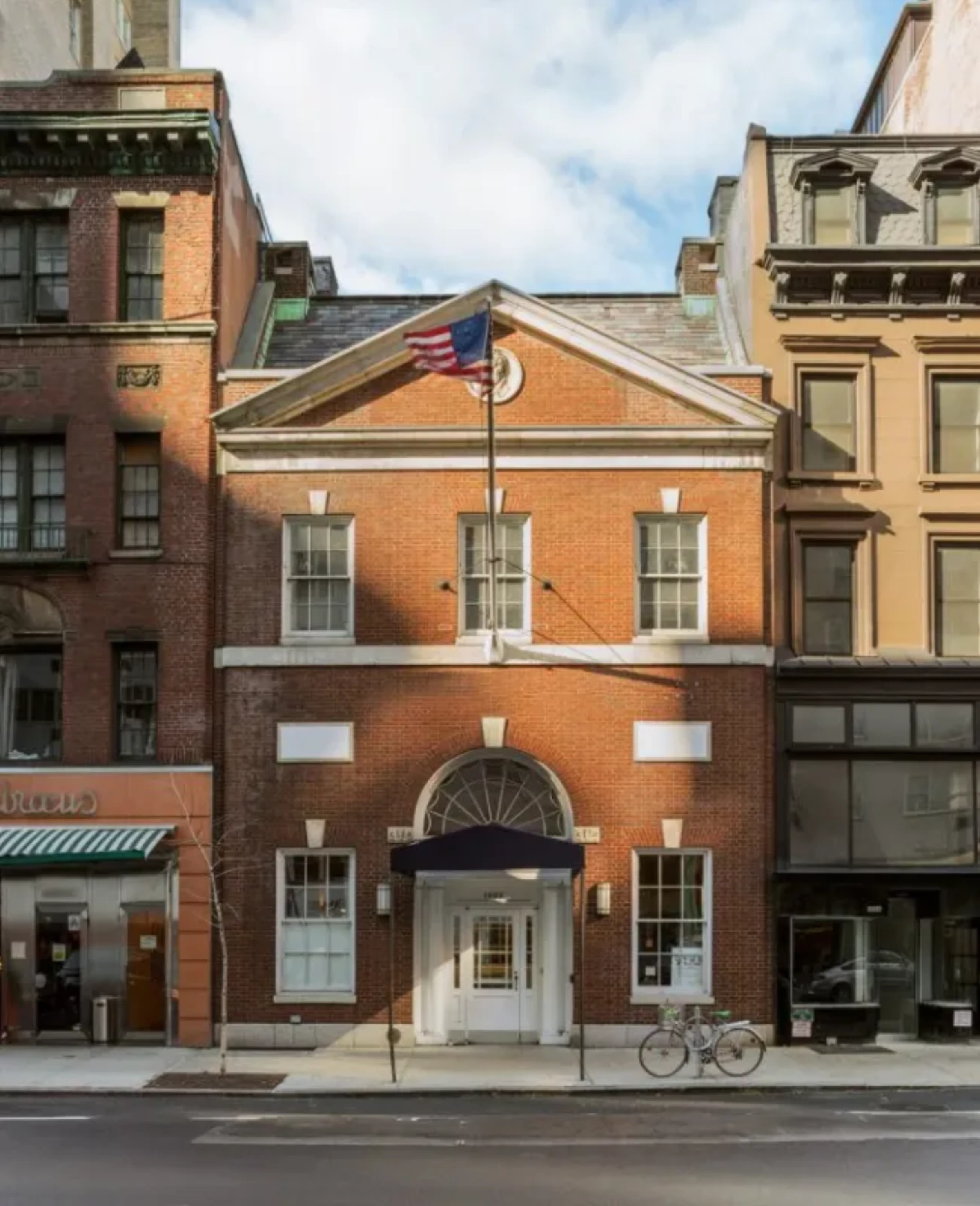
Willis Blair and Rajaratnam both joined White Cube in 2023, the same year the gallery opened its New York flagship at 1002 Madison Avenue. Their departures, coming roughly three years later, suggest that the initial excitement of a major launch has given way to the harder realities of sustaining a mega-gallery presence in an increasingly competitive and shrinking market. The New York art market in particular has seen a flight of collectors to private sales and online platforms, reducing the foot traffic and transaction volume that sustain large commercial spaces.
White Cube's Expansion Narrative
White Cube was founded in London in 1993 by Jay Jopling and built its reputation as one of the most influential commercial galleries of the Young British Artists era, representing artists including Tracey Emin, Damien Hirst, and Marc Quinn. Its expansion into the United States was a significant bet: the gallery opened its 1,800-square-foot New York offices at 980 Madison Avenue, a stone's throw from heavy hitters like Gagosian and Acquavella. The flagship at 1002 Madison Avenue was the public face of that ambition. The gallery also operates outposts in Hong Kong and Paris, and most recently expanded into Seoul in 2023.
According to a White Cube spokesperson, the gallery is expanding rather than contracting, moving staff from the 980 Madison Avenue offices to a 4,000-square-foot space directly across the street. That space was formerly occupied by Almine Rech, which let the lease expire in the spring of 2026 because the rent was too high. The detail is telling: one gallery's expansion is another's unsustainable overhead. The New York real estate market has been punishing for galleries, with Madison Avenue rents among the highest in the city, and the decision by Almine Rech to walk away from a prime location underscores the economic pressures that even established galleries face.
What the Gallery World Is Signaling
The White Cube departures are a single data point in a larger pattern of consolidation and retrenchment across the gallery sector. The art market has been contracting since the post-pandemic boom peaked in 2022, with auction sales declining, mid-tier galleries closing satellite locations, and even the largest players cutting costs. Sotheby's and Christie's have both reported declining revenues, and the secondary market for contemporary art has softened considerably. The departure of three senior directors from a single gallery in one swoop, regardless of the stated reasons, reflects an environment in which talent is mobile, loyalties are conditional, and the economic model that sustained mega-gallery expansion is under pressure.
The irony of White Cube expanding its office footprint while losing key personnel is not lost on observers. A larger physical footprint with fewer senior directors suggests a gallery that is investing in infrastructure while struggling to retain the human capital that actually drives relationships with collectors and artists. In a relationship-driven business, that is a precarious position. The gallery's ability to attract replacement directors of similar caliber will be a key test of whether the White Cube brand can sustain its expansion strategy in a contracting market.
The departures also highlight a generational shift in the gallery world. Willis Blair's return to academia and Rajaratnam's pivot to independent ventures reflect a broader trend of senior gallery professionals seeking alternatives to the traditional mega-gallery career path. The pressures of the contemporary art market, with its demanding travel schedules, high overhead costs, and increasing reliance on private sales and online platforms, have made the traditional gallery model less attractive to the talent that sustains it. The下一波 of gallery leadership may look different from the generation that built the mega-gallery system, and the White Cube departures may be an early indicator of that transition.
For artists, the departure of senior directors from a major gallery is a cause for concern. Directors are the primary point of contact between artists and the gallery system, and their relationships with collectors, curators, and critics are built over years. When a director leaves, the relationships go with them, at least in part. Artists represented by White Cube may be weighing whether the gallery can maintain the level of attention and advocacy that attracted them in the first place. The gallery world is built on trust and personal relationships, and the loss of key intermediaries can destabilize those relationships, particularly in a market where artists have more options than ever, from direct sales through online platforms to partnerships with smaller, more attentive galleries.
The New York context is particularly important. The city remains the center of the global art market, but its gallery landscape has been shifting. The concentration of mega-galleries in Chelsea and on the Upper East Side has been challenged by the rise of galleries in Tribeca, the Lower East Side, and Brooklyn, where rents are lower and the atmosphere is more conducive to emerging and mid-career artists. White Cube's position on Madison Avenue places it in the most expensive and traditional gallery district in the city, a location that signals prestige but also carries enormous overhead. The economics of Madison Avenue galleries require a high volume of high-value transactions, and in a contracting market, that volume becomes harder to sustain. The departure of three directors who were specifically tasked with building and maintaining the gallery's client relationships in the United States suggests that the economic model is under strain. For collectors, the question is whether the gallery can maintain the level of service and access that justifies its premium positioning. For artists, the question is whether the gallery can provide the advocacy and visibility that make a mega-gallery partnership worth the commission. The departure of three directors, combined with the move to larger offices, suggests a gallery that is trying to maintain its premium positioning while the ground beneath it is shifting.
The broader gallery landscape has been reshaping itself for several years. Gagosian has shuttered its Basel location, Pace has closed multiple satellite spaces, and mid-tier galleries like Mary Boone and Gavin Brown have closed entirely. The consolidation at the top of the market, combined with the erosion of the middle market, has created an environment in which even well-capitalized galleries like White Cube face pressure to justify their physical footprints. The departure of three directors from the New York operation, whatever the individual reasons, will be read as a signal that the mega-gallery expansion of the 2010s and early 2020s has reached its limits.
What Comes Next
White Cube's ability to replace the departed directors, and the caliber of talent it can attract, will be a key indicator of the gallery's trajectory. The broader question is whether the mega-gallery model itself remains viable in a contracting market, or whether the era of aggressive global expansion is giving way to a more cautious, concentrated approach. For now, White Cube insists it is growing. The departures of Willis Blair, Rajaratnam, and Washburne-Harris tell a more complicated story, one that the gallery world will be watching closely in the months ahead.