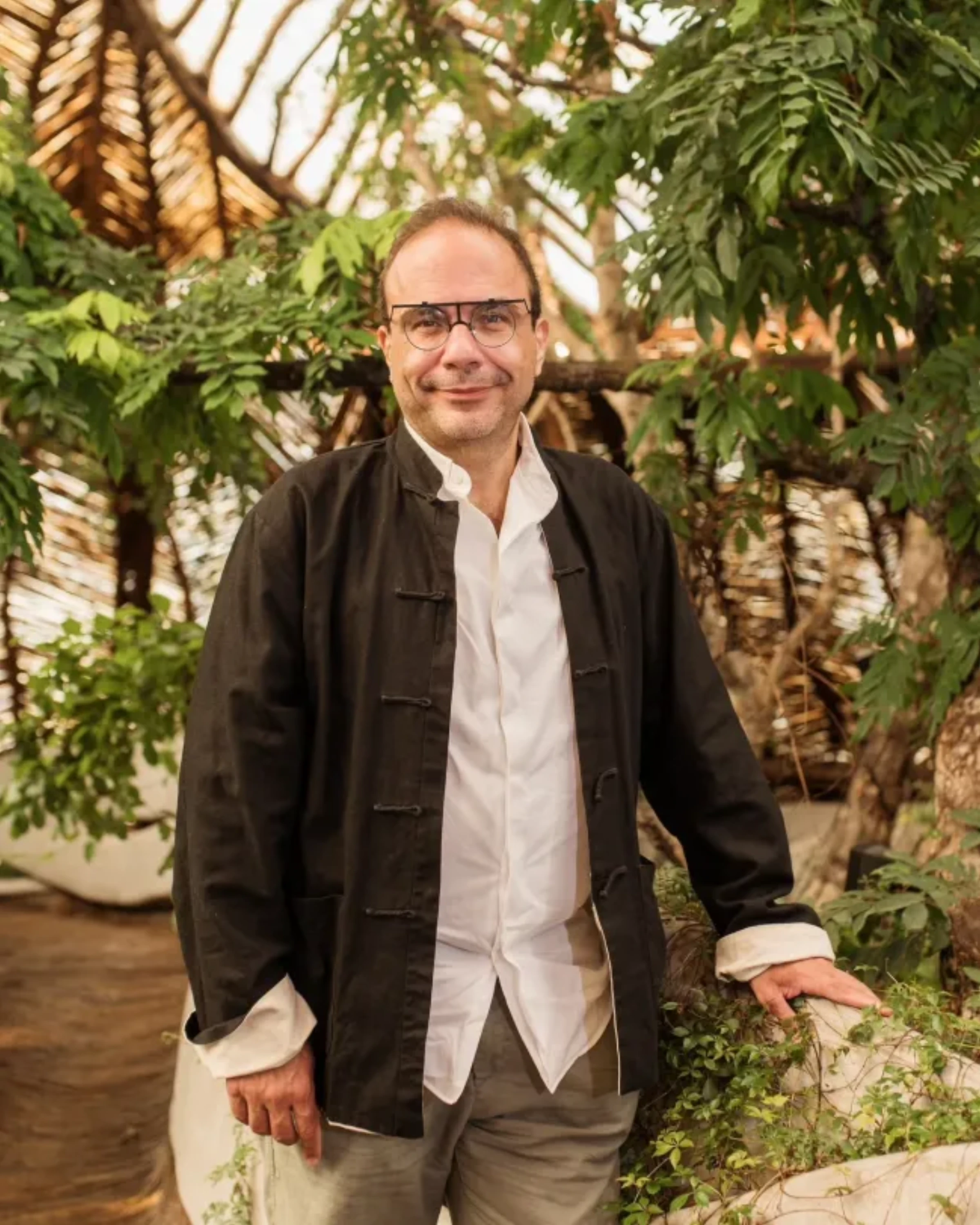
Vancouver Biennale Names Marcello Dantas as Curator for 2027–29
Brazilian artist and filmmaker Marcello Dantas will lead the next Vancouver Biennale cycle, with a stated focus on displacement, belonging, and public space.
The organizers of the Vancouver Biennale have appointed Brazilian artist and documentary filmmaker Marcello Dantas as senior curator for the 2027–29 edition. The decision places a curator with deep experience in immersive exhibition formats and cross-regional collaboration at the center of one of North America’s most visible public-art biennials.
Dantas’s recent work has moved between large-scale commissioning environments and international thematic exhibitions, including Desert X AlUla. That profile aligns with Vancouver’s long-running attempt to treat public art as urban infrastructure rather than seasonal ornament. Since its 2002 founding, the Biennale has used temporary installation, performance, and media projects to negotiate the city’s civic identity, sometimes turning temporary works into permanent landmarks.
In remarks tied to the appointment, Dantas highlighted the tension between corporate real-estate growth and the city’s First Nations and colonial histories. This is a familiar curatorial brief in global terms, but in Vancouver it has unusually high stakes because the city’s development narrative is visibly inscribed in public space, waterfront planning, and monument politics. A biennial that claims to engage displacement and belonging will be judged not by statement language, but by site choices, commissioning terms, and which communities are granted authorship.
For collectors and institutional partners, the appointment offers an early indicator of market and museum attention patterns over the next three years. Vancouver’s biennial has often functioned as a testing ground where artists are seen by civic agencies, private patrons, and international curators simultaneously. The 2027–29 cycle could therefore shape both acquisition trajectories and future museum invitations, particularly for artists working in socially embedded sculpture and new media.
The central question now is execution. Dantas has named ecology, coexistence, and public engagement as operating concerns. The next phase is whether those terms become concrete curatorial method: who gets commissioned, which publics are addressed, how permissions are negotiated, and whether the resulting works can sustain scrutiny once they move from proposal decks into contested city space.