The Box in Plymouth Wins UK Museum of the Year 2026
Plymouth's The Box secures the UK's most prestigious museum prize, recognized for its deep community engagement and innovative reframing of historic collections
A Triumph of Civic Integration
The Box in Plymouth has been named the winner of the 2026 UK Art Fund Museum of the Year Award, cementing its status as a model for the modern civic museum. The prize, which includes a £120,000 grant, is the most prestigious honor of its kind in the United Kingdom and the largest museum prize globally. Beating out a formidable shortlist that included the Fitzwilliam Museum in Cambridge and the V&A East Storehouse in London, The Box was recognized not just for its curated content, but for its profound impact on the city of Plymouth. The award was presented to CEO Victoria Pomery on June 25th during a ceremony aboard the Cutty Sark at the Royal Museums Greenwich, as reported by Artforum.
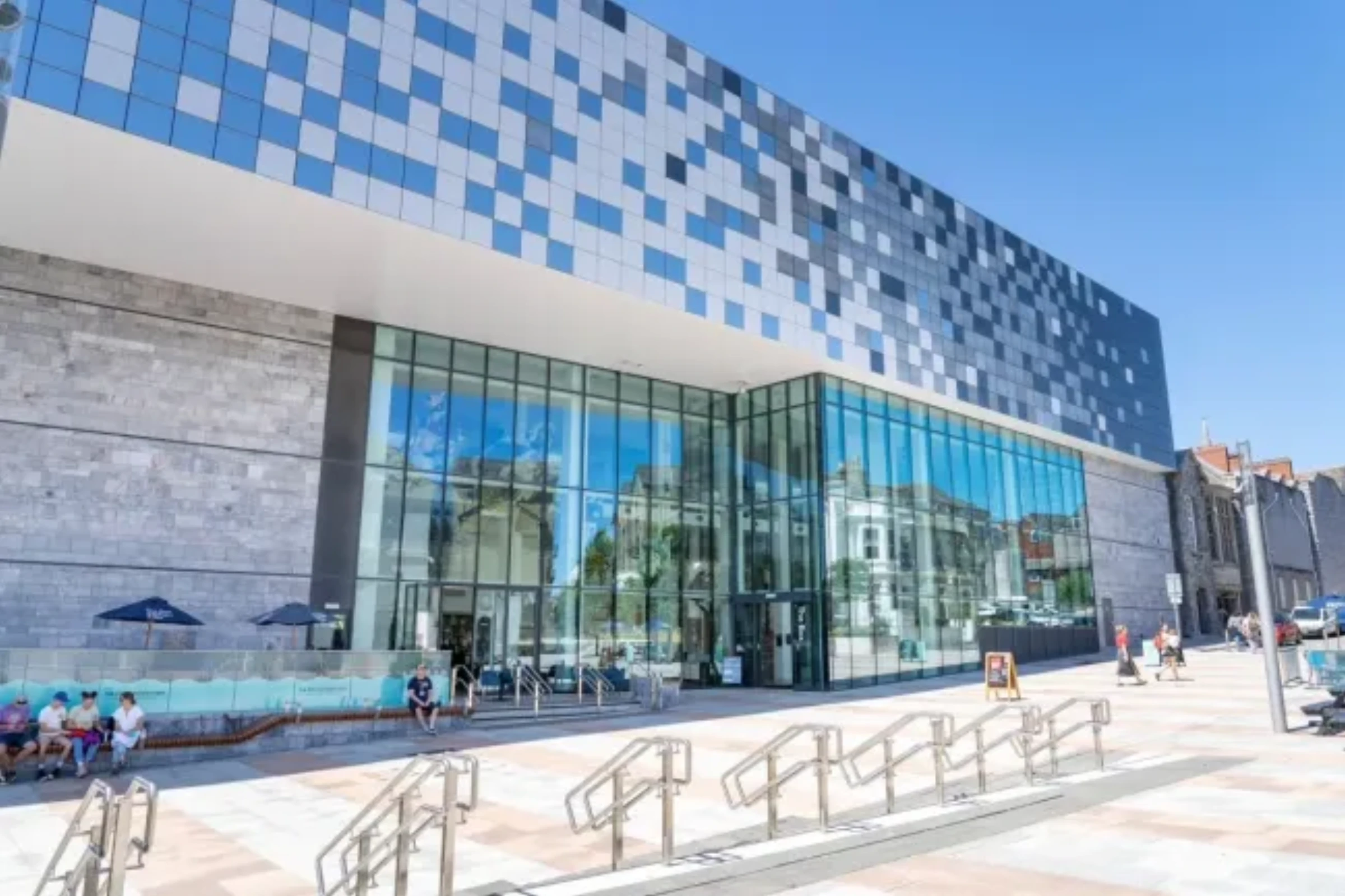
Since opening its doors in September 2020, The Box has operated as a nonprofit institution owned by the Plymouth City Council. It manages a vast collection of approximately two million objects and artworks, housed across a modern, purpose-built facility and the historic St. Luke's Church. This dual-site approach allows the museum to bridge the gap between contemporary architectural ambition and historical continuity, creating a space that feels both forward-looking and deeply rooted in the local soil.
Reframing the Narrative Through Artist-Led Projects
Central to the judges' decision was the museum's commitment to challenging traditional museum narratives. The panel specifically lauded three major artist-led projects spearheaded by Osman Yousefzada, Jeremy Deller, and Jyll Bradley. These initiatives were praised for their ability to engage with local communities and reimagine the future by critically examining Plymouth's past. By bringing contemporary artists into the process of curation and interpretation, The Box has moved away from the authoritative, top-down voice of the traditional museum, instead favoring a more collaborative and questioning approach to history.
This shift in methodology allows the museum to treat its two million objects not as static relics, but as active catalysts for conversation. The integration of artist-led interventions ensures that the collections remain relevant to a diverse contemporary audience, transforming the act of visiting a museum from a passive reception of facts into an active engagement with identity and place. This strategy of reframing historic collections is a core component of the museum's success and a primary reason for its recognition by the Art Fund.
Economic and Social Catalyst
Beyond its artistic merits, The Box has proven to be a powerful economic engine for the southwestern region of England. According to a 2025 report, the museum has contributed an estimated £244 million to the local economy, demonstrating that cultural investment can yield tangible financial returns. Furthermore, the institution has generated more than £100 million in social value related to health and wellbeing, positioning the museum as a vital piece of public health infrastructure as much as a cultural one.
The museum's outreach is perhaps its most impressive feat. It has engaged 89 percent of the city's schools through dedicated programs that reach approximately 10,000 children annually. This level of penetration ensures that the museum is not an elitist enclave but a genuine community resource. By making the museum's resources accessible to nearly every student in Plymouth, The Box is effectively democratizing cultural capital and fostering a new generation of critical thinkers.
The Future of the Civic Museum
The success of The Box provides a blueprint for other regional museums struggling to find their place in a post-pandemic world. Jenny Waldman, Art Fund director and chair of the judges' panel, noted that the institution has transformed how Plymouth's collections are shared and experienced by creating a welcoming space that reaches beyond its physical walls and into the public sphere. This "outward-facing" model suggests that the future of the museum lies in its ability to dissolve the boundaries between the gallery and the street.
As The Box continues to grow, its model of long-term civic investment serves as a rebuke to the trend of austerity-driven cuts to the arts. The synergy between the Plymouth City Council's support and the museum's innovative programming proves that when culture is treated as an essential service rather than a luxury, the entire city benefits. The 2026 award is not just a victory for a single institution, but a validation of a philosophy that views the museum as a dynamic, evolving heart of the community.