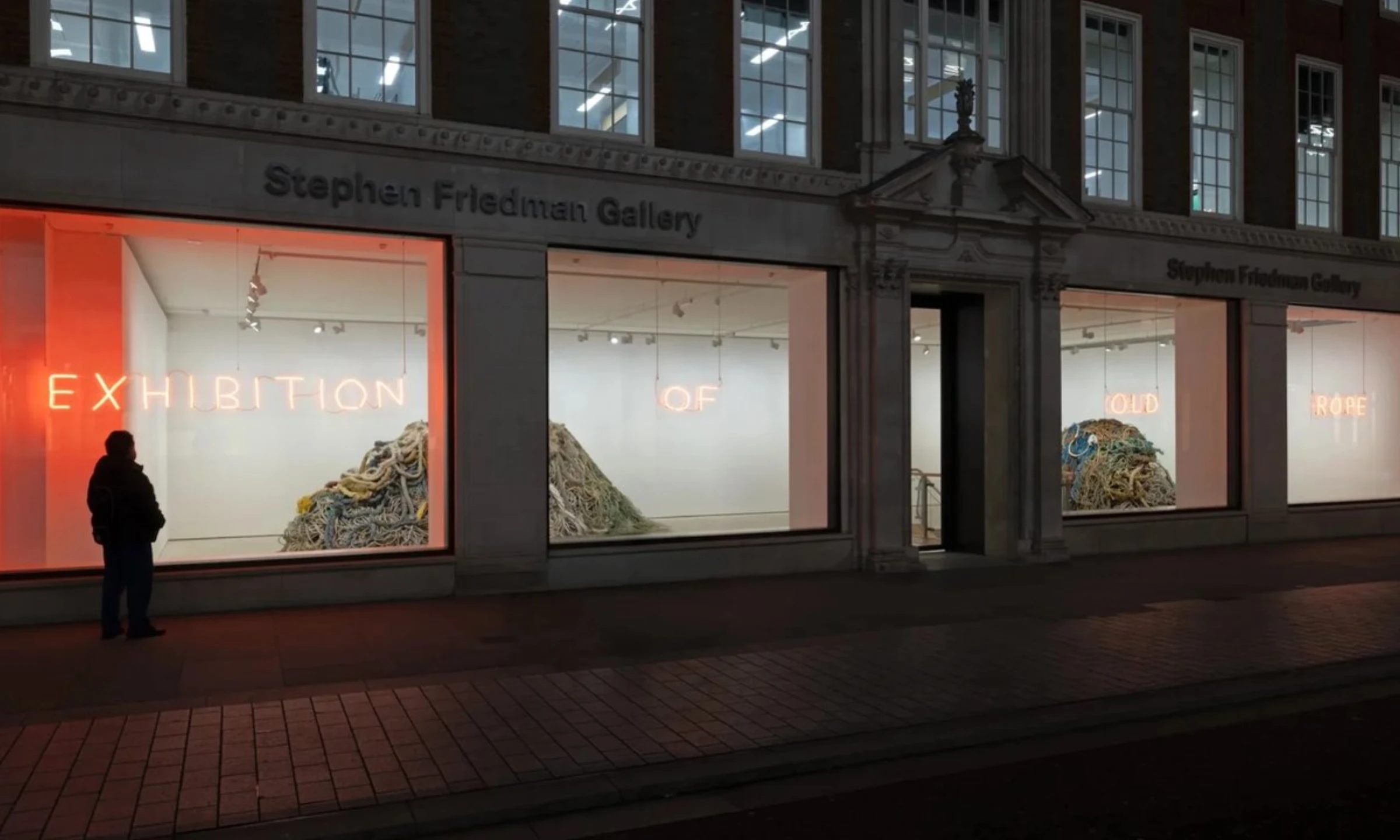
Stephen Friedman Gallery Filings Expose £7.8M Debt and Deep Artist Losses
New filings show the collapsed Stephen Friedman Gallery owes £7.8 million, including major sums to artists, shippers, landlords, and tax authorities.
Formal insolvency filings have revealed the scale of the collapse at Stephen Friedman Gallery, with total liabilities reaching £7.8 million and unsecured creditors facing steep write-downs. Reporting by The Art Newspaper details how artists including Alexandre Diop, Deborah Roberts, and Kehinde Wiley are owed substantial sums, yet are expected to recover only eight to nine pence on the pound.
The figures are blunt. Diop is listed at £341,905, Roberts at £289,232, and Wiley at £163,849. Coutts, a secured lender, is owed £3.1 million and projected to recover far more than unsecured claimants. Pentland Group, a major shareholder linked to the gallery structure, is also among significant creditors. The filings show how quickly a gallery with international standing can move from expansion narrative to insolvency triage once liquidity tightens and sales velocity drops.
For the market, this is less a singular failure than a stress test of a fragile operating model. Storage, freight, fair participation, and cross-border overheads became cumulative pressure points. Administrators highlighted escalating logistics costs and weaker confidence among high-net-worth buyers as geopolitical and macroeconomic risk rose. In practical terms, the gallery carried fixed costs tied to growth while demand shifted to a more cautious buying cycle. That mismatch often proves fatal before headline sales data registers the downturn.
The case also underscores governance questions around gallery ownership, debt layering, and expansion pacing. A move to larger Cork Street premises and a New York footprint projected ambition, but it also increased burn. Turnover that looked robust in 2021 and 2022 deteriorated into a loss by 2023, illustrating how revenue volume can obscure margin instability. For artists, the lesson is contractual and structural: counterparty risk now deserves the same scrutiny as curatorial prestige.
Collectors and advisors should treat this as a reminder that primary-market confidence depends on back-office resilience. When galleries fail, the losses do not remain private. They cascade across artists, estates, service providers, and fair ecosystems. The industry has long normalized opacity in financial operations; this filing set makes that opacity harder to defend. In the next cycle, the strongest galleries may not be those with the boldest expansion plans, but those with disciplined capital structure and transparent risk controls.