Brighton & Hove Museums to Return 45 Artefacts to Botswana in Repatriation Partnership
Brighton & Hove Museums will return 45 nineteenth-century objects to Botswana, where they will enter a permanent display in Serowe.
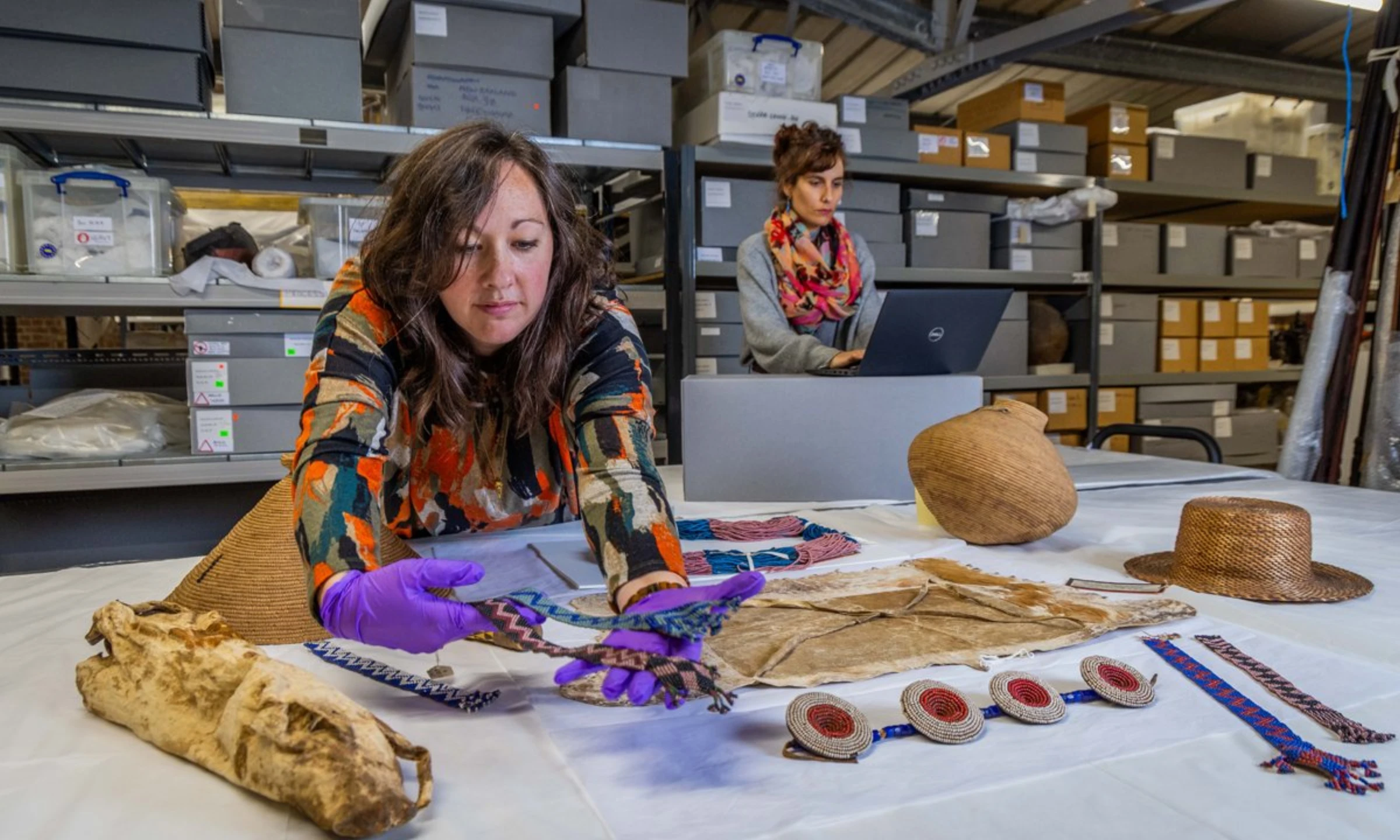
Brighton & Hove Museums has confirmed it will return 45 artefacts to Botswana, a decision that sits squarely inside the UK sector’s broader confrontation with restitution. According to reporting from The Art Newspaper, the works include clothing, accessories, and hunting implements acquired in the 1890s by Reverend William Charles Willoughby and later deposited in Brighton Museum in 1899.
The objects are due to be installed at the Khama III Memorial Museum in Serowe as part of a permanent exhibition opening on 27 May. The return is not an isolated shipment but the result of several years of institutional collaboration under the Making African Connections project led by the University of Sussex. Botswana’s museum team requested repatriation after that curatorial partnership developed the necessary provenance and interpretive framework.
For curators and trustees, this case is instructive because it combines legal transfer with exhibition planning and shared authorship. The institutions are not treating repatriation as the end of a paperwork process but as a new beginning for public meaning. It also demonstrates a practical path for medium-sized UK institutions that hold colonial-era material but lack the high-profile legal structures of national museums. Here, the operational steps, inventory, transport, exhibition design, and diplomatic coordination, are visible enough for others to replicate.
The move also marks a shift in professional language. Statements from Serowe frame the return as restoration, not donation, while Brighton’s staff have publicly described the process as returning objects to where they belong. That vocabulary matters because it changes how collections teams justify decisions internally, especially when local stakeholders worry about depletion of holdings. In reality, the decision strengthens the museum’s legitimacy by aligning collections policy with contemporary ethics, not weakening it.
Collectors and patrons should read this as a structural signal. Repatriation work is no longer confined to major legal disputes over marquee antiquities. It is now embedded in collection management, curatorial programming, and civic accountability. Institutions that move early and transparently can set terms for future partnerships, while those that delay risk being forced into reactive positions with fewer options and less public trust.