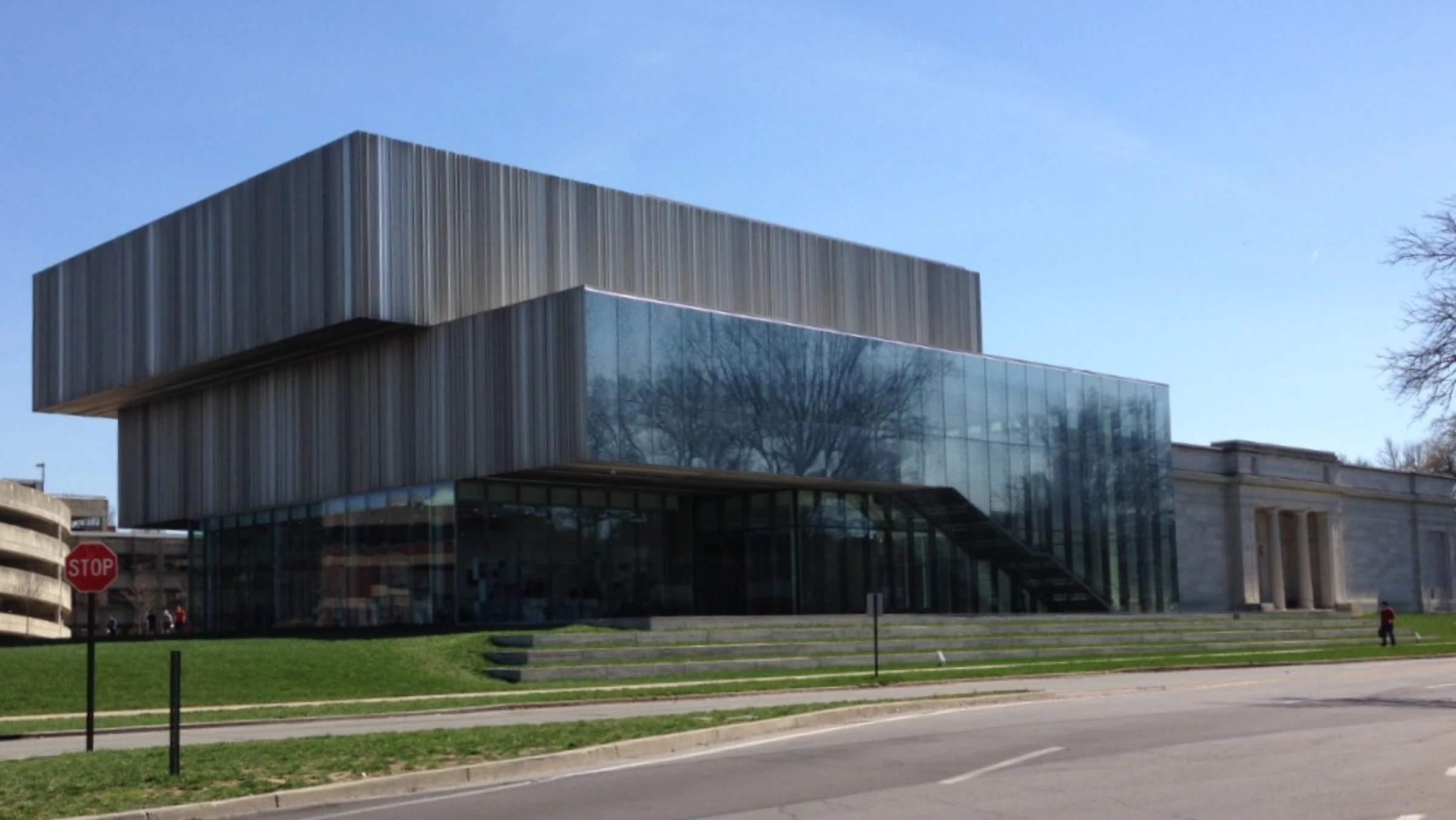
Speed Art Museum Repatriates 24 Objects
Louisville museum returns sacred objects and cultural patrimony to Cheyenne and Arapaho tribes in its first NAGPRA repatriation
What Happened
The Speed Art Museum in Louisville, Kentucky, has surrendered 24 objects from its collection to the Cheyenne and Arapaho tribes based in Oklahoma, the US Department of the Interior announced in May 2026. The items are classified as sacred objects or objects of cultural patrimony under the Native American Graves Protection and Repatriation Act (NAGPRA). The official handover was scheduled for this summer, on or after June 11. This marks the first time the Speed has returned items to Indigenous tribes through the NAGPRA process.
The returned objects include three ceremonial items, a rattle, a beaded pipe bag, and a beaded turtle amulet, along with 21 other objects such as beaded pouches and bags, moccasins, a coup stick, a cradleboard, and a lance. Sirene Martin, assistant curator and repatriation coordinator at the Speed Art Museum, told the Courier Journal that the museum first connected with the tribes in 2023 and that representatives visited the Speed the following year. The museum hosted a public talk to acknowledge the repatriation, featuring Chester Whiteman and Fred Mosqueda, tribal representatives of the Southern Cheyenne and Arapaho Tribes, in conversation with museum staff.
The Speed's repatriation is part of a broader wave of returns following the Department of the Interior's revised NAGPRA regulations in January 2024. The revised rules require museums and federal agencies to defer to the Native American traditional knowledge of lineal descendants, tribes, and Native Hawaiian organizations. This shift has accelerated repatriation activity across the country, as institutions that previously delayed consultations now face clearer obligations and tighter timelines, as ARTnews reported in its coverage of the Speed's return.
The specific objects returned to the Cheyenne and Arapaho tribes include items of both ceremonial and everyday significance. The three ceremonial objects identified as sacred under NAGPRA are a rattle, a beaded pipe bag, and a beaded turtle amulet, each of which would have played a role in tribal rituals and practices. The remaining 21 objects include beaded pouches and bags, moccasins, a coup stick, a cradleboard, and a lance. While some of these items might appear functional or decorative to a museum visitor, their classification as objects of cultural patrimony means that they hold communal significance beyond their individual use and cannot have been legitimately alienated from the tribe. The distinction between sacred objects and objects of cultural patrimony is central to NAGPRA's framework, and the Speed's return includes both categories.
The Weygold Collection and Provenance
Most of the repatriated items entered the Speed's collection through Fredrick Weygold, a Louisville-based artist and ethnographer who donated them in 1930. Weygold, who died in 1941, collected Native American art and artifacts, taught himself the Lakota language, and advised European museums on Native American art. Paintings, drawings, and photographs by Weygold were displayed in an exhibition at the Speed in 2017. The Weygold donation represents a common provenance pattern in American museums: artifacts collected by amateur ethnographers in the early 20th century, often acquired through purchase, trade, or removal from Native communities under circumstances that would not meet contemporary ethical standards.
The Speed's transparency about the Weygold provenance is notable. Many museums remain reluctant to disclose how objects entered their collections, particularly when the acquisition history involves colonial dynamics or questionable consent. By acknowledging that the objects "come to us through conflicted circumstances," the Speed has set a standard for institutional honesty that larger and better-funded museums have frequently avoided. The museum's willingness to say publicly that its holdings were acquired through problematic channels contrasts with the defensive posture that many institutions adopt when faced with repatriation requests.
The Weygold story also illuminates the broader history of Native American artifact collecting in the early 20th century. Weygold was not a looter in the conventional sense; he was a serious student of Native American cultures who learned Lakota and built relationships with Native communities. But the power dynamics of early 20th-century collecting meant that even well-intentioned acquisitions often separated sacred objects from their communities of origin. The Speed's repatriation acknowledges this history without dismissing Weygold's scholarly contributions, a balance that other museums facing similar provenance questions could study, as the ongoing debate over repatriation in other contexts has shown.
NAGPRA's Expanding Reach
NAGPRA, a federal law passed by Congress in 1990, requires that institutions receiving federal funding return Native American remains and cultural artifacts to their descendants and tribes. The law has driven a slow but steady shift in museum practice, though compliance has been uneven across the sector. The Department of the Interior revised NAGPRA regulations in January 2024 to clarify implementation steps, stating that museums and federal agencies must defer to the Native American traditional knowledge of lineal descendants, tribes, and Native Hawaiian organizations. The revised rules have accelerated repatriation activity across the country.
The Speed's repatriation follows other high-profile returns. The American Museum of Natural History in New York returned 2,700 hair clippings originally collected for display at the 1893 Chicago World's Fair. The Field Museum in Chicago has also conducted NAGPRA consultations and returns. These cases demonstrate that the 2024 regulatory revisions have created new momentum for compliance, particularly among institutions that had previously delayed or deflected repatriation requests. Smaller regional museums like the Speed are now following the lead of larger institutions, suggesting that NAGPRA compliance is becoming a standard expectation rather than an exceptional event.
The contrast between the Speed's approach and that of larger, better-resourced institutions is worth noting. The Speed does not have a dedicated NAGPRA department, a team of provenance researchers, or a legal staff focused on repatriation. It has a repatriation coordinator who also serves as assistant curator, working within the constraints of a regional museum budget. And yet the Speed completed its repatriation with a transparency and directness that many larger museums have avoided. The museum's public statement that its objects came through conflicted circumstances is the kind of acknowledgment that institutions with full-time legal teams have declined to make. The Speed's example suggests that institutional will, not institutional size, is the determining factor in whether museums fulfill their NAGPRA obligations.
The repatriation also raises questions about what else may be in the Speed's collection. The museum holds approximately 16,000 objects spanning 6,000 years of human history, according to its own published information. If 24 Native American objects from a single 1930 donation have been identified for repatriation, it is reasonable to ask whether other items in the collection, acquired through similar channels, may also be subject to NAGPRA claims. The Speed has not publicly discussed whether additional repatriations are under consideration, but the museum's apparent openness to consultation suggests that the 24 objects returned to the Cheyenne and Arapaho tribes may not be the last items to leave the collection through this process.
What Comes Next for the Speed and NAGPRA
The Speed Art Museum's repatriation coordinator Sirene Martin and curator Erika Holmquist-Wall have indicated that the museum is engaged in ongoing consultations with tribal partners. The 24 objects returned to the Cheyenne and Arapaho tribes represent a small fraction of the Native American objects held in American museums, and the Speed's experience suggests that even well-documented collections with clear provenance can take years to move through the NAGPRA process. The museum's 2023 initial contact to 2026 handover timeline illustrates the pace of consultation, documentation, and tribal visits required.
For the Cheyenne and Arapaho tribes, the return of these objects means the restoration of cultural patrimony to its rightful context. The objects will move from display cases and storage to tribal custody, where they can be used in ceremonies, studied by community members, or housed according to tribal protocols. The broader question for American museums is whether NAGPRA compliance will become proactive rather than reactive, with institutions conducting systematic reviews of their Native American holdings rather than waiting for tribal requests. The National NAGPRA Program continues to offer grants to support repatriation work, but the scale of the task remains enormous. The Speed's example, while modest in numbers, demonstrates that even small regional museums can fulfill their obligations under the law when institutional will exists. For institutions seeking guidance on the repatriation process, resources from the NAGPRA repatriation guide provide a framework for understanding the legal requirements and best practices.
The Speed's public acknowledgment event also deserves attention as a model for how museums can handle repatriation publicly. By hosting a conversation between tribal representatives and museum staff, the Speed transformed a legal obligation into an educational opportunity for its community. Chester Whiteman and Fred Mosqueda, the Southern Cheyenne and Arapaho tribal representatives, were given a platform to speak about the significance of the returned objects and the history of their separation from the community. This kind of public programming contrasts with the quiet, behind-closed-doors approach that many museums have taken to repatriation, treating it as an embarrassing admission rather than an act of institutional accountability. The Speed's willingness to say publicly that its acquisitions came through conflicted circumstances sets a precedent that other museums, particularly those with similar early 20th century ethnographic donations, may find difficult to ignore.