Soyoung Yoon Takes Over Whitney ISP in 2026
Soyoung Yoon becomes the Whitney ISP's next director as the museum tries to stabilize a once-paused program and redefine its institutional politics
Whitney Restarts a Program It Could Not Quietly Shelve
The Whitney Museum's decision to appoint Soyoung Yoon as director of its Independent Study Program is much bigger than a staffing announcement. The museum is naming only the third leader in the program's history, and doing so after a year in which the ISP became a symbol of how fragile critical space inside major institutions can be. According to ARTnews, Yoon begins on 16 June, becomes the first woman and first person of color to lead the program, and arrives after the Whitney paused admissions for the 2025-26 cohort. That pause was framed as administrative, but in the field it was read as ideological too: a sign that museums now want the prestige of critique without always wanting the institutional pressure that critique generates.
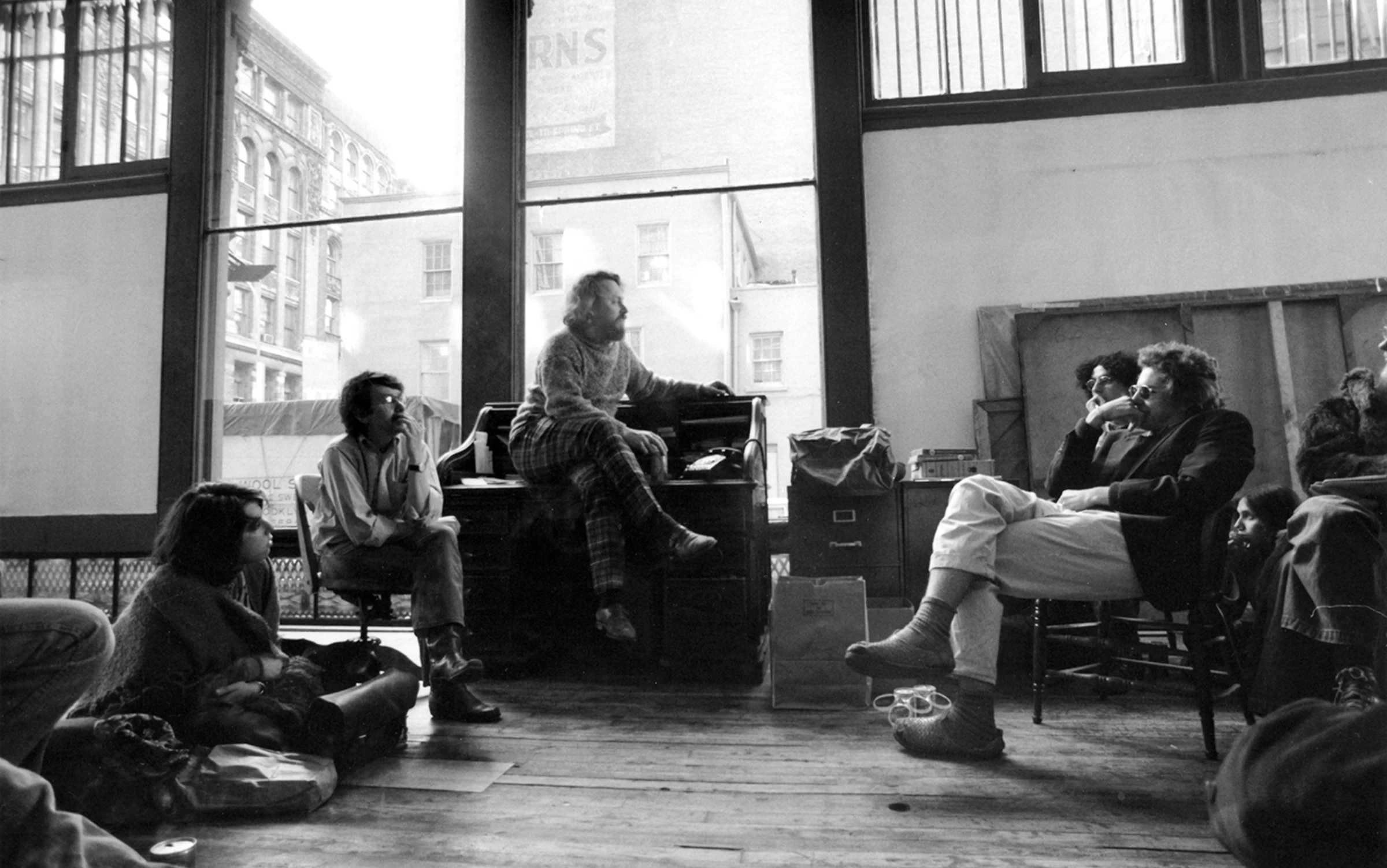
The ISP has never been a standard fellowship. Since its founding in 1968, it has functioned as a rare place where artists, curators, and critics could test theory against institutions instead of simply preparing themselves to work inside them. The Whitney still describes the program as a site for sustained research and collective inquiry on its official ISP page, but the museum's pause last year made clear that this mission is not self-sustaining. Programs like this live or die on whether leadership is willing to tolerate dissent, ambiguity, and conflict. Yoon's appointment matters because it signals that the Whitney understands the restart has to look credible, not merely operational.
Soyoung Yoon's Background Fits the Whitney's Present Problem
Yoon is not coming in as a generic administrator. Her curatorial and scholarly work has repeatedly focused on questions of publics, pedagogy, translation, and institutional framing. That matters because the Whitney does not simply need someone to reopen applications for 2027. It needs someone who can explain why a museum-based study program still matters when independent learning networks, activist formations, and digital publishing platforms often move faster and speak more bluntly than museums do. If the ISP is going to remain relevant, it has to offer more than access to a famous New York address. It has to offer intellectual seriousness and a believable tolerance for disagreement.
The museum's own recent history makes this challenge sharper. The ISP has long occupied an uneasy place within the Whitney ecosystem: admired for its prestige, cited in grant language, but also capable of producing critique that sits awkwardly alongside donor culture, board governance, and the broader professionalization of contemporary art. That tension did not begin in 2025, and it will not end with a new director. What Yoon inherits is not a blank slate. She inherits accumulated skepticism from artists and scholars who watched the Whitney interrupt a historic program and then ask the field to trust that a relaunch would solve the deeper issue.
There is a precedent for taking these tensions seriously rather than smoothing them over. artworld.today has already argued in our guide to reading political pressure on museums that institutional language often hides structural choices behind soft verbs such as pause, review, and rethink. Yoon's appointment should be read against that pattern. The important question is not whether the Whitney has found an impressive hire. It has. The question is whether the museum will give that hire enough room to shape curriculum, discourse, and admissions without turning the program into a reputational repair project.
Why the Independent Study Program Still Holds Outsized Power
Few museum programs have produced as much influence per capita as the ISP. Alumni and faculty have helped shape curatorial practice, criticism, artist discourse, and left intellectual culture across the contemporary art world. That legacy is why any shift in leadership attracts attention beyond the Whitney itself. It is also why the museum cannot treat the program as a boutique educational arm. The ISP carries symbolic weight. If it becomes timid, a whole sector reads that timidity as a diagnosis of the moment. If it becomes rigorous again, that rigor can travel outward through the people it trains and convenes.
Right now, the broader field is full of institutions talking about civic responsibility while narrowing the spaces where actual disagreement can occur. Museums want to sound porous, accountable, and responsive, yet many remain uneasy with forms of collective study that do not lead cleanly to audience growth, donor appeal, or brand-safe public programming. The ISP has value precisely because it does not map neatly onto those priorities. It asks whether criticism can be built into institutional life rather than outsourced to social media controversy after the fact. That is a hard proposition for large museums, especially when boards and executives are measured on stability.
Yoon therefore arrives at a strategically important moment. If she can reassert the ISP as a place where theory and practice meet without being domesticated by the museum's communications logic, the Whitney will have done more than fix an embarrassment. It will have rebuilt one of the few programs in American museum culture that still carries the promise of adversarial intelligence. If, on the other hand, the relaunch produces a calmer, safer, and more professionally groomed version of the ISP, then the museum will have preserved the brand while draining the program's historical force.
There is also a labor question hovering over the restart, even when it is not named directly. Study programs depend on faculty time, administrative attention, and a culture that does not reduce education to a sidecar for exhibitions. If the Whitney wants the ISP to recover its force, it will need to show that the program is not perpetually contingent inside the museum's own hierarchy. Serious applicants will be looking not only at who leads the program but at whether the institution has insulated it from the kind of short-term managerial reasoning that made the pause possible in the first place.
That is why Yoon's appointment will be read so closely by people far beyond the next cohort. Critics, curators, and artists are asking a broader question about whether museums still have the appetite to host spaces of sustained antagonistic thought. The Whitney has a chance to answer yes, but only if the museum accepts that credibility here cannot be purchased with messaging. It has to be earned through structure, transparency, and a willingness to let difficult conversations take place under its own roof.
What the Whitney Must Prove Before the 2027 Cohort Arrives
The timeline matters. ARTnews reports that the next cohort will not begin until fall 2027, which means the Whitney has more than a year to show the appointment is connected to real institutional commitment. That commitment should be legible in admissions language, faculty selection, public programming, and how the museum describes the ISP's relation to the rest of the institution. A restart of this kind cannot be judged by rhetoric alone. Observers should watch whether the Whitney restores the program's edge or simply restores its administrative shell.
There are practical reasons to pay close attention. The museum field is dealing with leadership turnover, labor conflict, donor scrutiny, and a widening split between institutions that still treat criticism as part of their mission and those that treat it as a risk to be managed. The ISP sits directly inside that split. For that reason, Yoon's arrival is not just Whitney news. It is a small but sharp test of whether major museums still believe that ambitious internal study programs deserve protection when they become inconvenient. The answer will emerge less from the announcement than from the structure Yoon is allowed to build over the next year.
The wider significance is easy to miss if one focuses only on the Whitney. Graduate programs in the humanities remain under pressure, independent magazines have shrunk, and many alternative spaces operate with unstable budgets. In that landscape, a museum-based study program can become one of the few funded places where dense reading, political argument, and cross-disciplinary conversation still happen in a sustained way. The danger is that museums increasingly want that function without wanting the friction that comes with it. If Yoon can preserve the friction, the Whitney will have protected something rare.
It is also worth noting that the ISP has always mattered partly because it shaped discourse indirectly. Its influence travels through alumni conversations, future teaching, publishing, and curatorial frameworks that emerge years later. Those outcomes cannot be measured in attendance spikes. They accumulate slowly. That is exactly why executive leadership sometimes underestimates them. The Whitney should treat this relaunch as a long investment in intellectual culture rather than a short repair to reputation.
One final thing to watch is whether the Whitney treats the ISP as a public-facing intellectual asset or keeps it largely cordoned off as an internal prestige program. The program has always had influence beyond its seminar rooms because its participants shape criticism, curating, and teaching elsewhere. If the museum wants the relaunch to matter, it should make that outward-facing function easier rather than harder to see through public conversations, publishing, and a clear articulation of what kinds of argument the program exists to foster.
For now, the hire is a smart and necessary move. It gives the Whitney a serious figure with the credibility to reopen a wounded program. But the museum does not get credit simply for choosing the right person. It gets credit only if it allows that person to lead a program that can still surprise, unsettle, and educate the institution that houses it. In the current museum climate, that would count as a meaningful act of confidence rather than a symbolic one.