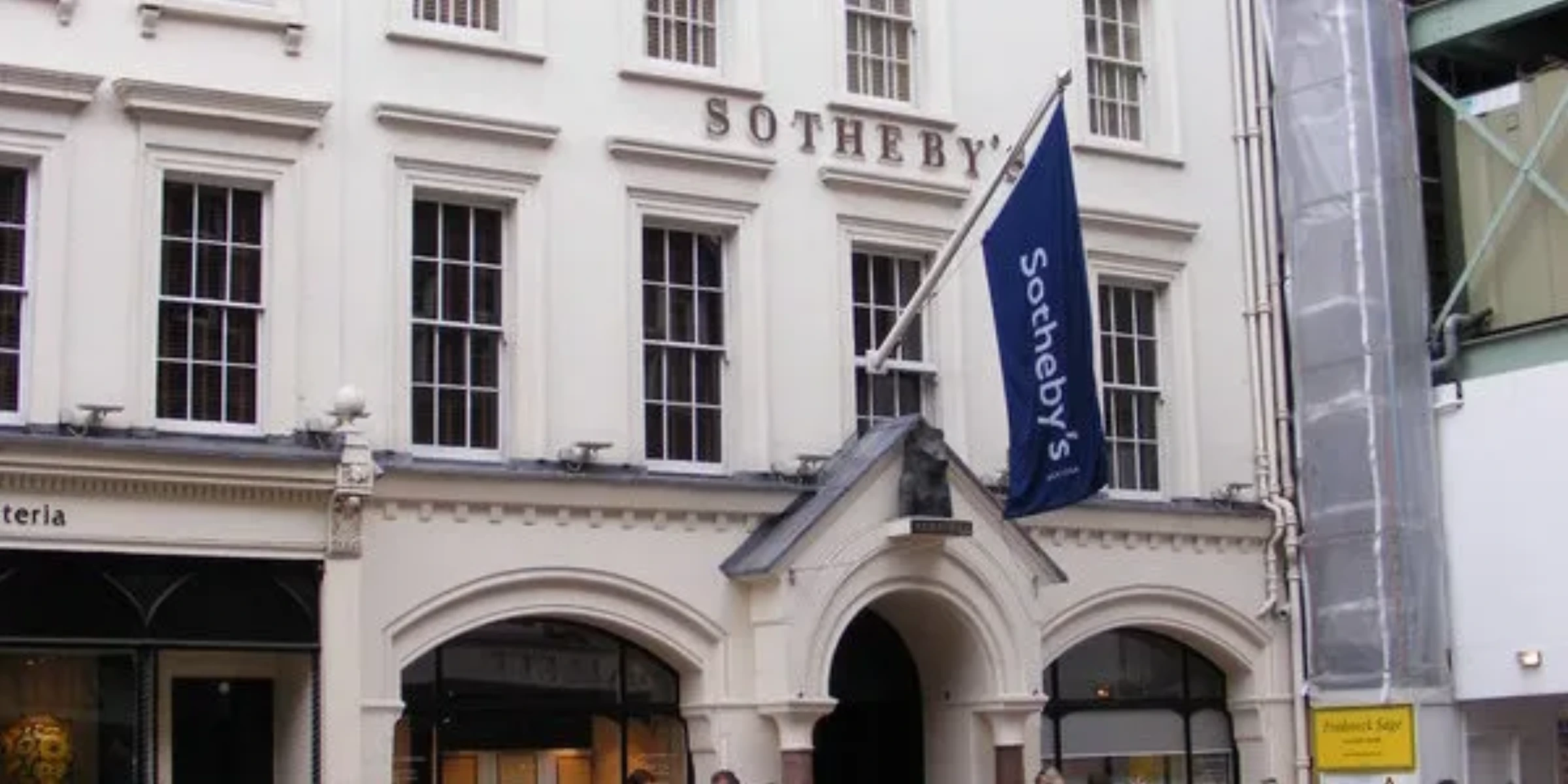
Sotheby’s London Smashes Records With $520M Single-Night Haul
A historic sale of billionaire Joe Lewis's collection and a powerhouse contemporary evening session propel Sotheby's to a record-breaking night in Europe
A Historic Night for the London Market
Sotheby's London has rewritten the history books with a staggering single-night total of £393.4 million ($520.7 million), marking the largest sum ever achieved at auction in a single night in Europe. The evening was anchored by the unprecedented success of the Joe Lewis collection, which alone brought in £296.3 million ($392.6 million). This result is not merely a financial victory for the auction house but a significant signal of resilience for the London art market, which has struggled with the lingering economic and regulatory effects of Brexit and increasing competition from New York and Hong Kong. The scale of the event underscores a critical reality in the current high-end market: appetite remains voracious, provided the quality of the material is beyond reproach.
The evening was split into two high-velocity sessions. The first, the Lewis Masterpiece sale, saw an incredible 24 out of 25 lots sold, proving that the market for blue-chip, canonical artists remains stable even in volatile economic climates. This was followed by a 40-lot Modern and Contemporary Art evening sale that added another £97.1 million ($128.1 million) to the total. The synchronization of these two sales created a momentum that effectively revitalized the local auction scene, suggesting that London is reclaiming its status as a premier international hub for the world's most valuable artworks. For further context on the market's recovery, see the full breakdown of the Lewis sale.
The Crown Jewels of the Lewis Collection
The financial success of the night was driven by a series of breathtaking works by the most influential figures of the 20th century. The top seller of the evening was Amedeo Modigliani's Nu assis au collier, painted between 1917 and 1918. This sensual masterpiece, depicting a woman in a moment of quiet intimacy, far exceeded its estimate of £45 million, ultimately hammering at £48.2 million. The Modigliani result reflects the timeless appeal of the artist's stylized elegance and the extreme rarity of such high-quality works appearing on the open market.
Other canonical works also defied expectations. René Magritte's La Belle fetched £16 million, roughly four times its upper estimate, highlighting the explosive demand for Surrealism. Lucian Freud's Sleeping by the Lion Carpet, a visceral and fleshy study of a woman in repose, sold for £29.3 million, reinforcing Freud's position as the preeminent figure of British figurative art. The collection also included Gustav Klimt's Bildnis Gertrud Loew, which brought in £36.2 million, and a rare bronze cast by Degas, Petite danseuse de quatorze ans, selling for £25.1 million. These figures represent a concentrated burst of liquidity into a small number of historical assets, a trend that continues to define the ultra-high-net-worth art market.
The Complex Legacy of Joe Lewis
The auction's success is inextricably linked to the figure of Joe Lewis, a billionaire collector based in the Bahamas. Along with his daughter Vivienne, Lewis built a collection of immense power and breadth. However, the provenance of the wealth behind the art has remained a point of contention. Lewis's trajectory has been marked by legal turmoil, including accusations of "brazen" insider trading by U.S. federal prosecutors in 2023. After pleading guilty to conspiring to commit securities fraud, Lewis received a pardon from President Trump in 2025.
This juxtaposition—the purity of the aesthetic objects versus the complexity of the collector's legal history—is a recurring theme in the global art market. The art world often acts as a laundry for reputation, where the prestige of owning a Modigliani or a Klimt can overshadow the circumstances of the wealth used to acquire them. In this instance, the market's focus remained firmly on the quality of the works, ignoring the noise of the legal proceedings. This detachment is a hallmark of the current era of art collecting, where the object is treated as a financial instrument first and a cultural artifact second.
Implications for the European Auction Scene
As London navigates its post-Brexit identity, this record-breaking night provides a blueprint for future success. The ability to attract global capital in such volume suggests that the "London brand" is still potent, provided the auction houses can secure collections of sufficient pedigree. The success of the Lewis sale is likely to encourage other major collectors to bring their assets to London, potentially reversing the trend of migration toward New York. However, this relies on a precarious balance of political stability and the continued willingness of billionaires to gamble on high-ticket items in an uncertain global economy.
Looking forward, the industry will be watching to see if this surge is a one-off anomaly or the start of a broader trend. The total of $520.7 million in a single night sets a new benchmark for what is possible in Europe. As the market evolves, the pressure on museums to keep pace with these private acquisitions will only increase, further deepening the divide between public accessibility and private ownership of cultural heritage. The real question is whether this financial triumph can translate into a sustainable cultural revival for the city's galleries and institutions.