Philadelphia Museum Uses Rocky to Reopen the Monument Debate
A new exhibition at the Philadelphia Museum of Art treats the Rocky statue as a case study in public memory, civic identity, and the politics of who gets monumental visibility.
The Philadelphia Museum of Art has opened an exhibition that uses one of the most recognizable objects in US public culture, the Rocky statue, to test a bigger question: why do some monuments remain active civic symbols while others become targets of rejection, indifference, or removal. The show, Rising Up: Rocky and the Making of Monuments, arrives during a period when institutions are still recalibrating their approach to public memory after several years of intense disputes over statuary, commemoration, and historical authority.
The choice of Rocky is strategic because it avoids easy binaries. The statue is neither a classical state monument nor an activist intervention. It began as film culture infrastructure, then became a durable tourist ritual and local identity marker. Millions of visitors treat the site as a participatory stage, reenacting the staircase run and pose whether or not they have a deep relationship to Philadelphia’s art institutions. That dynamic makes it a useful object for curatorial analysis: the statue has social power regardless of where one places it in conventional art historical hierarchies.
For museum professionals, the exhibition points to an operational shift. Public monuments are increasingly being interpreted less as fixed historical declarations and more as living civic technologies whose meaning is produced through repeated use. The Rocky figure, in this reading, is not significant only because of authorship or formal quality. It is significant because people continue to gather around it, perform through it, and attach aspiration narratives to it. In a city where symbolic representation has always been contested, that ongoing public choreography is itself a form of meaning production.
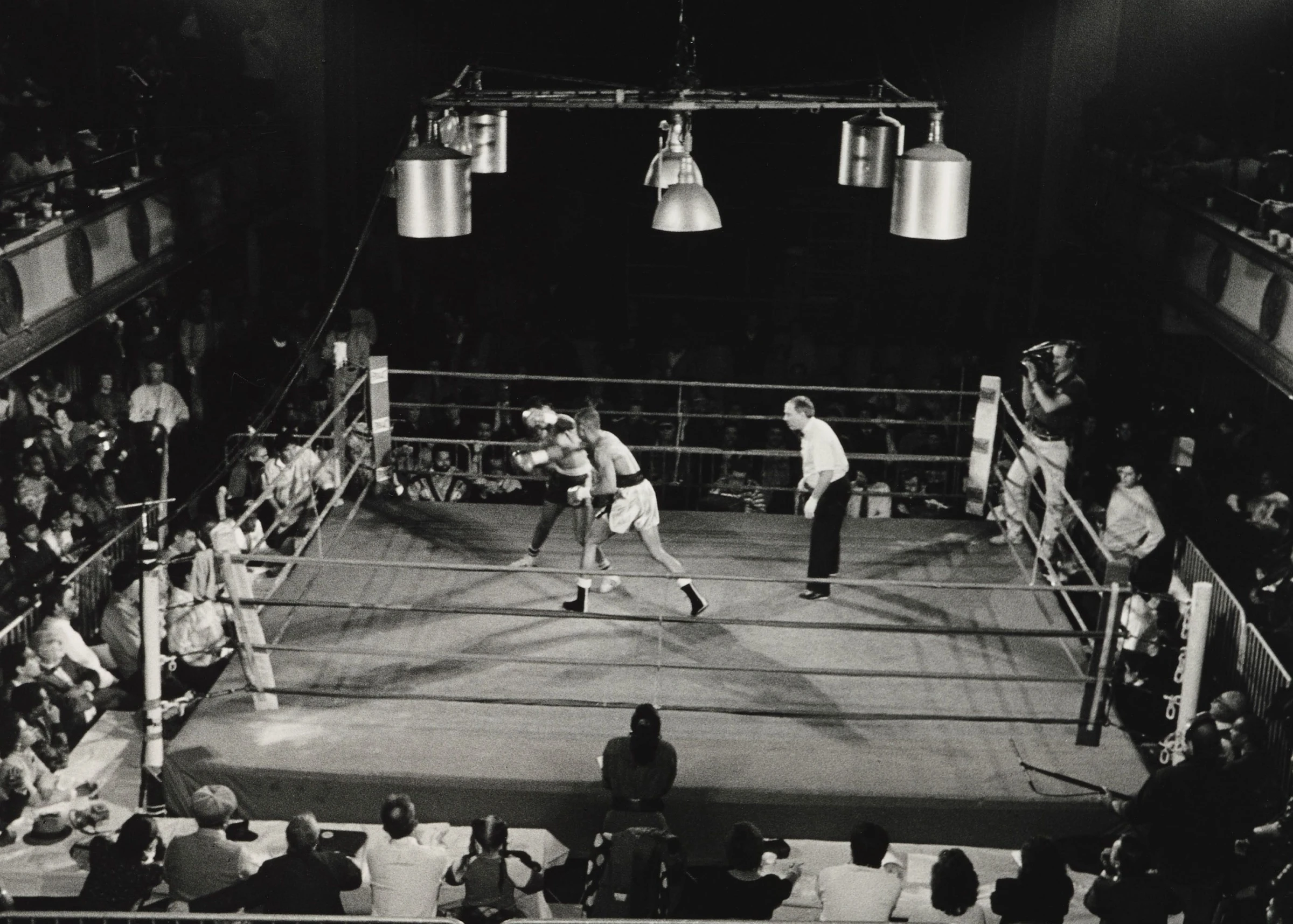
The curatorial framing reportedly connects this modern celebrity monument to a longer history of boxing imagery and athletic hero construction, extending from antiquity to twentieth century mass culture and into contemporary art. That temporal stretch matters. It positions Rocky not as a Philadelphia anomaly but as one chapter in a repeated cultural process: societies constructing idealized bodies to carry political stories about class, mobility, struggle, and victory. Once framed this way, the debate moves beyond whether Rocky is high art and toward what kinds of public desire monuments are designed to organize.
There is also a local equity dimension that should not be softened. If the city’s most mythologized fighter is fictional and white, while many real Black Philadelphia fighters have had less monumental presence, then the exhibition is operating in a critical register as well as a celebratory one. That tension can make the project stronger if it is handled directly. Museums gain credibility when they treat monuments as contested public language rather than stable heritage trophies. The key is whether the institution can keep complexity visible while still acknowledging the affective attachment many visitors already have to the object.
For collectors and trustees, this show is a reminder that institutions are increasingly expected to pair spectacle with civic literacy. Exhibitions that can attract broad audiences and still produce serious historical interpretation are becoming central to museum strategy, especially as attendance economics and public scrutiny intensify. Philadelphia’s approach here may become a reference point for other museums dealing with famous but politically complicated icons in their orbit.
Readers following the story should track interpretation updates from the Philadelphia Museum of Art, monument discourse projects from Monument Lab, and comparative institutional handling of public symbolism at venues such as the Smithsonian American Art Museum. Rocky’s durability is not an argument against monument critique. It is evidence that monuments survive when they remain socially useful, emotionally legible, and open to reinterpretation across generations.