Jury Awards $102.2 Million in Robert Indiana Rights Case
A Manhattan jury found publisher Michael McKenzie liable for unauthorized and adulterated Robert Indiana works, awarding $102.2 million to the Morgan Art Foundation.
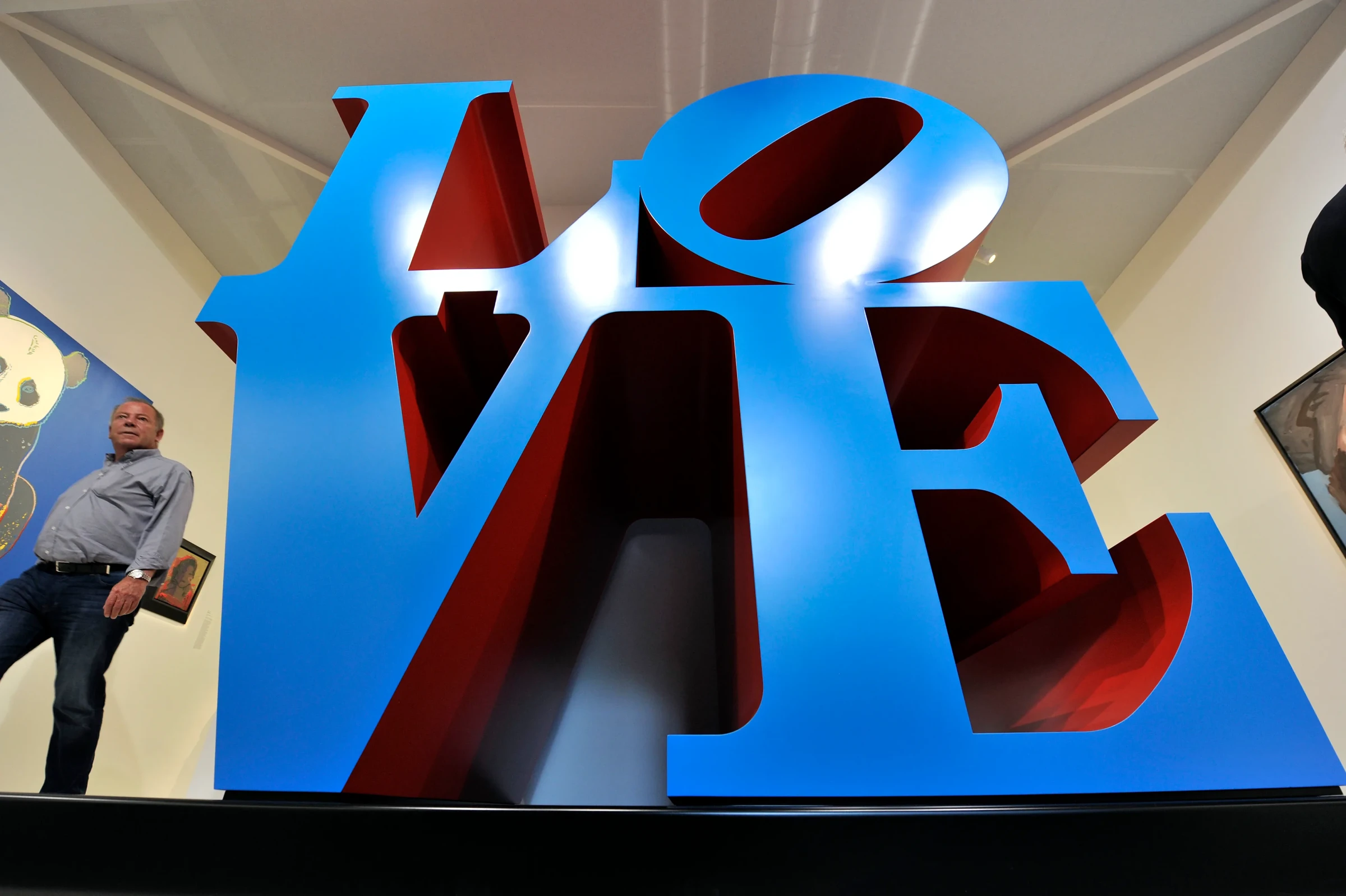
A Manhattan jury has awarded $102.2 million in damages to the Morgan Art Foundation in a major rights dispute tied to the late Robert Indiana, according to reporting by Artforum. The ruling found that art publisher Michael McKenzie produced unauthorized or adulterated versions of Indiana’s work, including infringements connected to the artist’s trademarked LOVE design and copyrighted works.
The financial figure is headline-grabbing, but the deeper significance is structural. The case addresses a core fault line in posthumous artist management: who controls output, what counts as authorized variation, and how legacy administration intersects with trademark, copyright, and estate power. In Indiana’s case, these questions were amplified by the artist’s declining years and the legal disputes that accelerated around him before and after his death in 2018.
The jury’s findings, as summarized in the report, supported Morgan Art Foundation’s argument that products associated with Indiana had been produced in ways that diluted the artist’s reputation and infringed rights. The litigation centered in part on proliferating variants of the LOVE format and on alleged misuse of works including The Ninth American Dream and USA FUN. For rights holders across the market, the message is clear: courts are increasingly willing to treat legacy dilution as measurable economic and reputational harm.
For collectors, the verdict introduces immediate practical implications. First, provenance and authorization documentation for Indiana-related material will receive renewed scrutiny. Second, private owners of works created in the disputed period may face higher due-diligence burdens in secondary transactions. Third, advisors should expect more rigorous representation language from sellers and intermediaries, especially when works involve editions, posthumous fabrication, or derivative motif-based production.
Morgan Art Foundation’s legal team framed the decision as a restoration of trust in the Indiana market, and that framing will likely circulate quickly through dealers and auction specialists. Whether trust is actually restored depends on how efficiently records are clarified and whether uncertain works can be categorized without prolonged dispute. In market terms, legal closure does not automatically produce liquidity, but it can reduce discount pressure if authentication and rights governance stabilize.
This verdict also highlights a wider industry issue. Estates and foundations increasingly operate at the intersection of scholarship, legal enforcement, and brand stewardship. Where an artist has a globally recognized visual signature, as Indiana does, that intersection becomes even more volatile. The same motif that drives cultural recognition can be overextended commercially, creating a long tail of contested objects and claims that are expensive to unwind.
The Indiana judgment may now become a reference point in future artist-estate litigation, particularly where courts must weigh market confusion against artistic authority. For institutions, the case is a reminder that loans, acquisitions, and cataloging decisions need strong legal context, not only art-historical confidence. For the broader market, it is a warning that legacy management failures can become nine-figure liabilities. The symbolic outcome is significant, but the operational lesson is even sharper: governance around an artist’s name and forms is now as central as stewardship of the works themselves.