After 16 Years, Rio’s Museum of Image and Sound Opens as a Test of Cultural Infrastructure
The long-delayed MIS-RJ opens on Copacabana with an ambitious public profile, exposing how architecture, politics, and cultural policy now collide in major museum projects.
Rio de Janeiro’s Museum of Image and Sound, known as MIS-RJ, opens to the public on 8 May after more than 16 years of planning, funding interruptions, and political friction. The institution’s new Copacabana site arrives with architectural ambition and a symbolic burden: proving that Brazil can complete a flagship cultural project despite repeated administrative resets.
the 10,000-square-meter building includes eight floors, rooftop and basement levels, and a facade that references Roberto Burle Marx’s iconic Copacabana promenade language. The site was first announced in 2009, broke ground in 2011, and then stalled as state priorities shifted during fiscal crisis and political change. and the institution has framed itself publicly as a living museum through the foundation’s own channels at MIS-RJ. The architectural language also sits in dialogue with Rio’s urban iconography around Copacabana and longer museum-policy debates documented by public collection platforms.
That timeline matters because delay has become the hidden cost center in museum development. Capital projects now operate on political calendars as much as cultural ones. When one administration champions a museum and the next reprioritizes spending, curatorial ambition can survive only if legal, financial, and operational frameworks are robust enough to absorb shocks.
MIS-RJ has now done exactly that. Work resumed in 2021 with a mixed public-private model, including support from Itaú, Vale, and Rede Globo. The total project budget was reported at 329.2 million reais. For local policymakers, the opening can be presented as a win for cultural identity and tourism economics. A development assessment cited in reporting projected annual economic generation that could exceed initial project cost in a single year, a claim that will now be tested under real operating conditions.
The museum’s curatorial scale is substantial. The MIS foundation holds more than 650,000 audiovisual and related objects, including archives connected to major Brazilian cultural figures such as Gilberto Gil, Tom Jobim, and Chico Buarque. Crucially, the Copacabana site is positioned as the public-facing exhibitions venue, while the Lapa headquarters continues as storage and research infrastructure. That split model is strategically sound, separating spectacle from preservation load.
For collectors and institutions watching from outside Brazil, the opening offers three lessons. First, architecture alone does not secure public legitimacy, the institutional program does. Second, mixed funding can stabilize delivery, but governance clarity determines whether momentum survives electoral turnover. Third, digitization is no longer optional for audiovisual collections; access architecture is now as important as physical architecture.
There are also unresolved tensions. The project’s history includes urban displacement critiques tied to the clearing of a former nightlife site and broader redevelopment politics around Rio’s global event era. Those questions do not vanish at ribbon-cutting. A museum that brands itself as a living institution will be judged by how seriously it engages social memory alongside cultural celebration.
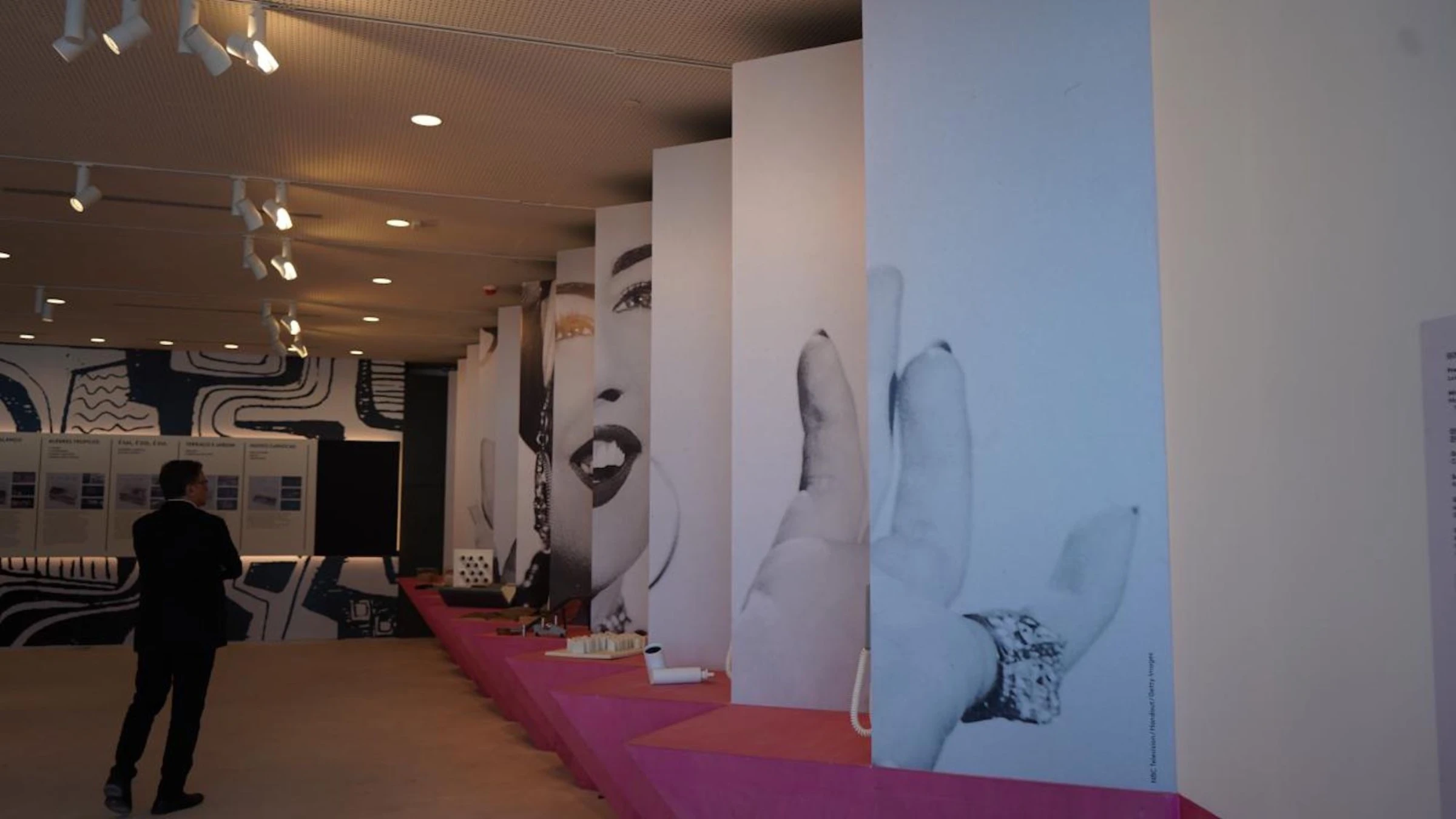
The opening exhibition reportedly traces Rio’s emergence as an international destination through historical photography and visual culture. That framing is coherent for launch, but sustained relevance will depend on whether MIS-RJ can commission and platform contemporary work with the same confidence it uses to narrate heritage. If it can, the museum will not just close a long chapter of delay. It will define a new one for Brazilian cultural infrastructure.