David Rimanelli on Instagram's Early Days as Art Platform
Artforum revisits critic David Rimanelli's 2014 essay on Instagram's early days, when the app was a frontier for image sharing before sponsored content took over
What Happened
Artforum has republished from its archive David Rimanelli's 2014 essay Like, Totally, a reflection on the early days of Instagram that captures a moment when the platform was still a frontier for unfiltered image sharing rather than the sponsored-content machine it has become. Rimanelli, a veteran art critic with a following built on decades of writing for Artforum and other publications, embraced Instagram in its first years as a kind of personal gallery, posting whatever he wanted as many times as he wanted. The essay, written in 2014 when Instagram was still filtered photos and brunch snapshots rather than reels and brand partnerships, reads today as both a time capsule and a prescient critique of what social media platforms do to the people who use them.
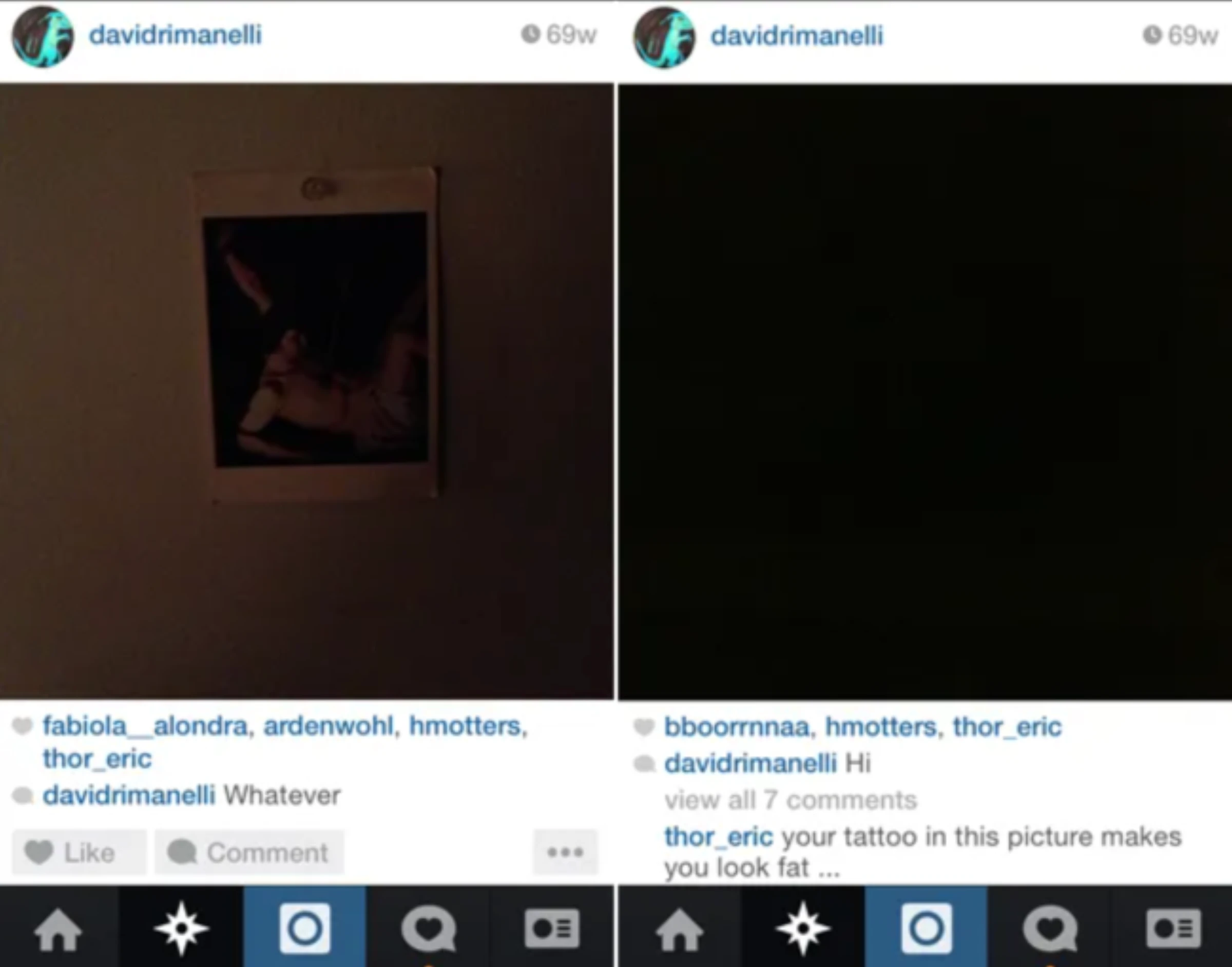
The essay follows Rimanelli's travails as he assimilates the platform into the fabric of his social life, from developing what he calls a Politics of Following to choosing the path of an insta-exhibitionist over an insta-voyeur. Written during Instagram's meteoric rise in 2014, the final year before its shift to the slick, minimalist design template it uses today, Rimanelli's reflection mulls over the early app's culture of throwaway images and captions. He describes posting favorite nineteenth-century portraits of English aristocrats alongside stunningly hideous self-portraits, abjuring the neologism selfie, and finding in the platform a refuge from his boredom with his own time and disappointment with most right-now contemporary art.
The Critic as Instagram User
Rimanelli's engagement with Instagram is notable because it represents an early instance of a serious art critic taking the platform seriously as a space for visual engagement. In 2014, most of the art world treated social media with suspicion or contempt, viewing it as a threat to the critical standards that governed print publications and gallery exhibitions. Rimanelli, by contrast, recognized that Instagram offered something that traditional art criticism could not: the ability to share images at a pace and volume that no magazine or book could match. His feed became a kind of personal museum, curated in real time, where he could juxtapose a Renaissance portrait with a snapshot from a gallery opening and a photograph of his cat, creating connections that would have been impossible in the linear format of a printed essay.
The essay is also notable for its honesty about the limitations of the platform. Rimanelli describes Instagram as a less miserable way of being miserable, acknowledging that the novelty of the stunningly hideous self-portrait inevitably wears off and that the platform's model of sociality is deeply compromised. This ambivalence, written before the full extent of social media's psychological and political effects became apparent, now reads as prophetic. The platform that Rimanelli embraced as a space for visual pleasure has since become a battleground of algorithmic curation, influencer marketing, and data extraction, and the carefree culture of throwaway images that he celebrated has been thoroughly commercialized. The Artforum republication serves as a reminder of what was lost when Instagram evolved from a photo-sharing app into an advertising platform.
Art Criticism in the Age of Social Media
Rimanelli's essay also raises questions about the role of the art critic in an era when anyone with a smartphone can publish their taste to a global audience. In 2014, Rimanelli had approximately two thousand followers on Instagram, a number that would have been modest by the standards of the day but that represented a meaningful audience for an art critic. Today, art critics with large social media followings are increasingly common, and the line between criticism and content creation has blurred to the point of disappearing. Some critics have embraced this shift, building personal brands on Instagram and TikTok that give them reach far beyond what any print publication could offer. Others have retreated to newsletters and podcasts, seeking spaces where the pressures of algorithmic engagement do not shape the content of their criticism.
The tension between these two approaches reflects a broader debate within the art world about the relationship between criticism and platform. Critics who embrace social media argue that meeting audiences where they are is essential to the continued relevance of art criticism, and that the visual nature of platforms like Instagram makes them particularly well-suited to writing about art. Critics who resist social media argue that the algorithmic incentives of these platforms, which reward engagement over depth, are fundamentally incompatible with the slow, careful looking that serious art criticism requires. Rimanelli's essay, written before this debate had fully crystallized, occupies an interesting middle position. He embraced Instagram as a space for visual pleasure but never confused it with serious criticism, recognizing that the platform's strengths and limitations were different from those of the printed page.
What the Essay Tells Us Now
The republication of Rimanelli's essay comes at a moment when the art world's relationship with social media is being reassessed. The pandemic years saw an explosion of digital art programming, online viewing rooms, and Instagram-first exhibitions, as institutions sought to reach audiences who could not visit galleries in person. The post-pandemic period has seen a partial retreat from this digital enthusiasm, with many institutions returning to in-person programming and reducing their investment in digital content. The pendulum swing has prompted reflection on what social media platforms actually offer the art world, and whether the optimism that greeted their early adoption was warranted.
Rimanelli's essay, with its mixture of enthusiasm and skepticism, offers a useful framework for this reassessment. The pleasure he describes, of finding and sharing unexpected images with an audience of like-minded viewers, is real and was a genuine feature of Instagram's early years. The disappointment he also describes, the sense that the platform's novelty inevitably fades and its sociality is compromised, is equally real and has only deepened in the years since. The question for the art world is whether the platforms that now dominate digital attention can be reclaimed for the kind of visual pleasure that Rimanelli described, or whether that pleasure was a product of a specific moment in the platforms' development that cannot be recovered. The answer may determine not only the future of art criticism on social media but the future of art criticism itself, as the institutions and publications that have traditionally supported it continue to navigate an increasingly digital landscape. As Artforum's decision to republish the essay suggests, the questions Rimanelli raised in 2014 are if anything more urgent today than when they were first written.
The essay also stands as a document of a particular moment in the history of art criticism, when the boundaries between professional criticism and amateur engagement with art were beginning to dissolve. Rimanelli, who had spent decades writing for one of the most prestigious art magazines in the world, was on Instagram posting images alongside amateur enthusiasts, hobbyist photographers, and eventually brands. The flattening of hierarchies that Instagram enabled was exhilarating for some and alarming for others, and the debate it provoked within the art world has never been fully resolved. What has become clear in the years since is that the platform did not democratize art criticism in the way that some of its early enthusiasts hoped. Instead, it created new hierarchies based on follower counts, engagement metrics, and algorithmic visibility, replacing the editorial hierarchies of print publications with computational ones that are less transparent and more resistant to critical intervention.
Rimanelli's description of his Politics of Following, a deliberately casual framework for deciding whose images to engage with, now reads almost quaintly in an era when following decisions are increasingly mediated by algorithmic recommendations. The platform that he joined to share images with friends has become a global advertising business that shapes the visual culture of billions of people, and the questions he raised about the relationship between image sharing and sociality have been overtaken by larger questions about the relationship between platforms and democracy. The Artforum republication is a reminder that the early optimism about social media's potential to democratize visual culture was not naive, it was based on a real experience of the platform's early affordances. The tragedy of Instagram is not that it failed to live up to that promise, but that it actively dismantled the features that made the promise possible, replacing them with an engagement-driven advertising model that treats images as inventory and users as data sources.
For art critics working today, the lesson of Rimanelli's essay may be that the most productive relationship with social media is one of engaged skepticism, taking advantage of the platforms' reach while maintaining a critical distance from their incentives. The critics who have managed this balance most successfully are those who use social media as one tool among many, rather than as the primary medium of their critical practice. Newsletters, podcasts, and independent websites have emerged as spaces where the slow looking and careful writing that serious art criticism requires can still flourish, free from the algorithmic pressures that shape social media content. The ARTnews and other legacy publications have also adapted, developing digital strategies that combine social media presence with longer-form criticism on their own platforms. Rimanelli's essay, with its candid account of one critic's engagement with a new platform, remains a valuable document of a transitional moment in the history of art criticism, and its republication ensures that a new generation of readers can discover it at a time when the questions it raises are more relevant than ever.