Photo London Tests Olympia's Fair Economics
Photo London's move to Olympia has sharpened traffic, sales visibility, and curatorial focus, turning a venue change into a real market test
Photo London's Olympia move has changed the fair's commercial mood
Photo London did not merely change addresses this week. It changed the terms on which the fair asks galleries, collectors, and curators to look at photography as a market. The fair's eleventh edition opened at Olympia after a decade at Somerset House, and the difference was immediate: wider sightlines, clearer booth visibility, and a floor plan built for circulation rather than romance. As The Art Newspaper reported, dealers were still pinned in conversation deep into VIP day, with early sales ranging from modest book-market numbers to six-figure commitments. That matters because photography fairs live or die on velocity. A beautiful venue that obscures dealers from buyers eventually becomes a liability.
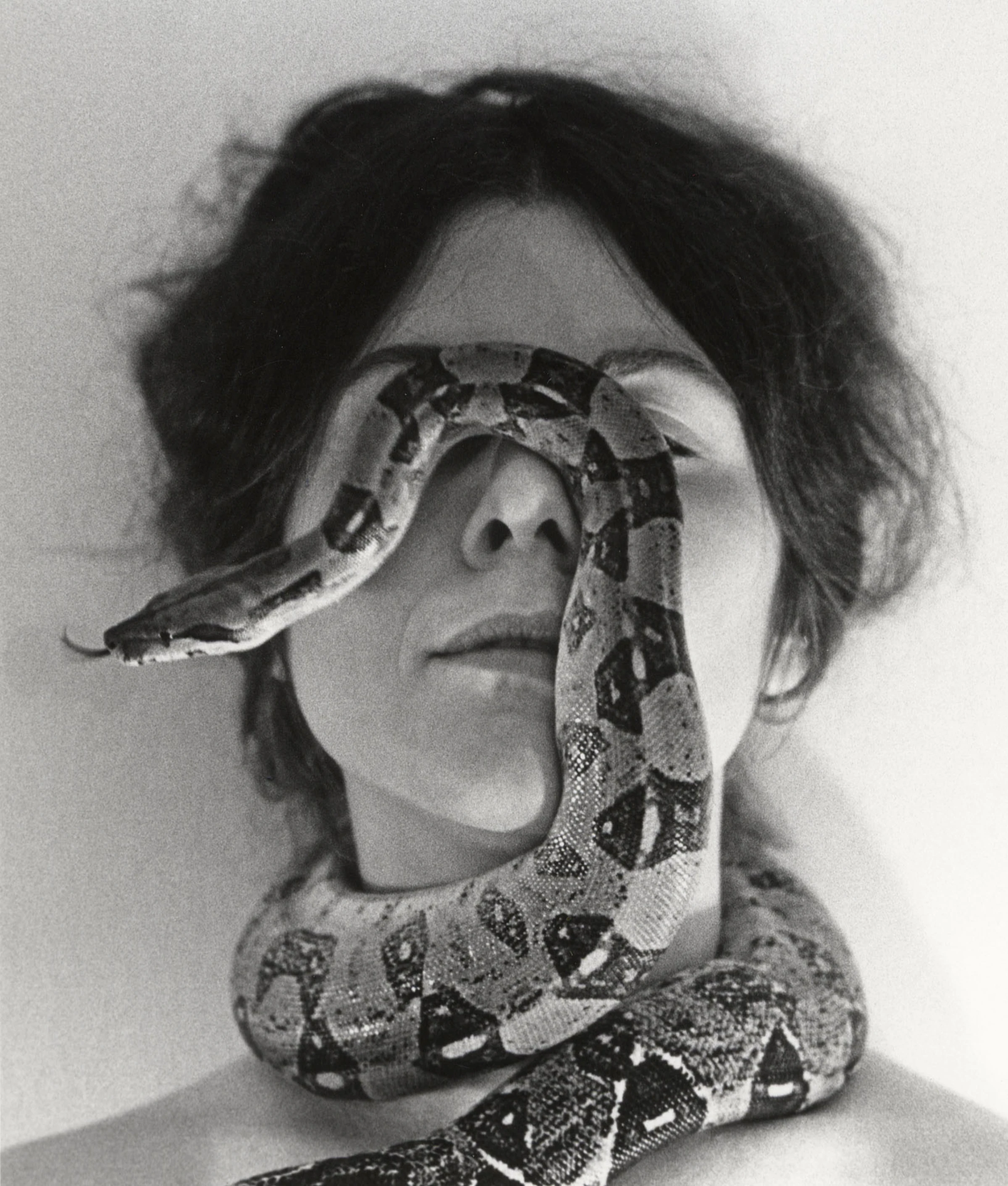
Olympia appears to have reduced that liability. Paris-B Gallery reported a £100,000 sale to a single buyer, In Camera and L Parker Stephenson Photographs moved both a vintage and contemporary print of Jane Evelyn Atwood's Auto Portrait (Serpent), and Radius Publishing had sold around 40 percent of its stock by Thursday lunchtime. Those data points are not a full market verdict, but they are enough to show that the fair's reset is not cosmetic. On the official Photo London site, organizers frame the move as a new era with larger spaces and improved visitor flow. This is exactly what a fair under pressure needed to prove.
The significance is larger than one London week. Photography fairs have spent the past few years navigating a strange contradiction: the medium is more ubiquitous than ever on screens, yet the market still depends on teaching collectors why an object, a print process, an edition, and a material history matter. If the venue makes that lesson harder, the fair loses both sales and authority. Olympia, at least for now, gives Photo London a credible answer to a problem that had started to look structural.
Why Somerset House stopped serving the dealers it once seduced
Somerset House had its defenders because it offered atmosphere. The courtyard was memorable, the location carried institutional prestige, and the fair could borrow a kind of old-London glamour simply by being there. But atmosphere is not the same as infrastructure. Dealers had long complained that the maze of rooms and staircases scattered attention, rewarded chance over planning, and made it too easy for a serious collector to miss an important booth entirely. Michael Benson put the problem bluntly in the report: galleries were telling the fair they could not keep coming back if the building kept impeding business.
That complaint should not be dismissed as dealer whining. Fair architecture shapes market outcomes. An exhibitor placed in a dead corridor does not just suffer lower footfall; it can lose the chance to establish an artist with a collector who never physically encounters the work. In a medium such as photography, where differences in print quality, surface, scale, and vintage status still have to be seen in person, that visibility problem becomes acute. The move to Olympia therefore reads less like a lifestyle rebrand than a correction to a flawed selling environment.
The fair has also used the relocation to tighten its programming logic. The expanded Discovery section, a stronger platform for publishers, and the new Source initiative for solo booths suggest an event trying to define what it can do that generalist mega-fairs cannot. That distinction matters because photography no longer wins by pleading medium specificity alone. It has to show that a photography fair can generate focused looking, informed buying, and meaningful context in the same room. This is the same pressure felt at other recent market gatherings, including Independent at Pier 36, where booth structure and traffic pattern shaped how discovery actually happened.
Olympia helps because it makes the fair legible. Visitors can grasp the whole before drilling into a booth. Dealers can trust that being present means being seen. The result is not just better business mechanics. It is a more defensible curatorial claim about what the fair wants to be.
Solo booths, connoisseurship, and a quieter correction in the photography market
One of the sharper signals from this edition is the fair's investment in solo presentations. Tristan Lund's Source initiative gives galleries a financial and conceptual reason to show a body of work rather than a sampler pack. That matters because a market built around individual prints can easily drift into decorative consumption unless fairs insist on depth. Solo booths ask buyers to stay with an artist long enough to understand decisions of sequencing, process, and thematic development. In other words, they create the conditions for connoisseurship rather than impulse shopping.
The selection described in the reporting supports that claim. Ute and Werner Mahler, Rosalind Fox Solomon, Helene Binet, and Alfredo Jaar each represent modes of photography that resist easy Instagram translation. Sophie Parker's argument that the market is swinging back toward object-based appreciation after the digitally optimized years of the pandemic is convincing because the fair floor gives it evidence. The official fair materials emphasize exhibitors, films, and curated sections; what the sales chatter adds is proof that these curatorial choices are not anti-commercial. They may be the precondition for commercial seriousness.
This is where Photo London intersects with a larger 2026 market mood. Across fairs and auctions, the strongest demand has increasingly clustered around work with scholarship, provenance, and formal density rather than only hype. We saw a related collector logic in our earlier coverage of Art Dubai's special edition sales, where buyers were looking for conviction and context, not just trend heat. Photography, with its editions and process histories, is especially vulnerable when that rigor disappears and especially strong when it returns.
There is also an anti-AI subtext here. Parker notes that anxiety around generative imagery has nudged younger artists and buyers back toward traditional processes and human marks. That does not mean the market has turned nostalgic. It means the material fact of a photograph has regained persuasive power. If collectors are once again asking how an object was made and why this print matters, a fair like Photo London can become more than a social calendar stop. It can act as a classroom for value.
There is a secondary institutional benefit to that clarity. Photography has long been vulnerable to being treated as either an affordable entry point for new buyers or a glamour-adjacent accessory for fashion and celebrity culture. A fair that can put historical work, photobooks, experimental installations, and commercially viable contemporary booths into one readable environment helps correct that flattening. The move to Olympia therefore also works as a reputational intervention. It tells the audience that photography deserves a venue engineered for concentration, not just charm. If the fair can keep translating that architectural advantage into stronger gallery rosters and more demanding presentations, it has a chance to reposition London as a city where the medium is discussed with a seriousness equal to its global visibility.
Another reason the move matters is timing. London has not lacked photography institutions, but it has sometimes lacked a single commercial moment capable of aligning museum interest, publishing culture, and cross-border collecting. A more functional Photo London can become that meeting point if it keeps building from this year's evidence. The fair no longer needs to apologize for its plan. It needs to capitalize on it by bringing in stronger international exhibitors, supporting booths that take curatorial risks, and proving that serious photography can command both attention and money without imitating the logic of blue-chip painting fairs. Olympia does not guarantee that outcome, but it has made it conceivable again.
There is a final reason to take the opening seriously: fairs rarely admit operational weakness until the weakness has become expensive. Photo London did. That honesty is useful. It suggests the organizers understand that loyalty from galleries has to be earned through conditions that help them sell, not just through institutional cachet. In a city crowded with culture but short on patience, that is the right lesson to learn. If collectors leave Olympia remembering specific booths rather than only the roofline, the fair will have done more than move. It will have reset the terms of engagement for photography in London.
What Photo London still has to prove after a strong opening
A better venue and strong opening sales do not settle the question of Photo London's long-term standing. The fair still has to show that it can attract the highest level of international photography galleries consistently, convert curiosity into repeat transactions across several editions, and maintain quality control when the novelty of Olympia fades. A fair can have one good reset year and then drift back into formula. The real test starts now.
There is also a strategic ceiling to consider. If Photo London wants to become the place where photography's most ambitious galleries feel compelled to appear, it will need to keep improving the ratio between market energy and curatorial credibility. That means stronger institutional adjacency, sharper solo presentations, and a continued willingness to privilege discernment over sheer quantity. The official move to Olympia gives the fair more physical room. The harder job is using that room without diluting editorial standards.
Still, the early evidence is good. Dealers are describing a fair where they can do business, visitors can actually navigate, and the medium feels less like a niche annex and more like a field with its own intellectual and commercial gravity. In a fair calendar crowded with noise, that is not a minor achievement. Photo London has not solved the photography market, but it has stopped making one of its core problems worse. For now, that counts as real progress.