Italian Police Recover Stolen Renoir, Cezanne and Matisse
Carabinieri recover three paintings stolen from Magnani Rocca Foundation near Parma, arresting five Moldovan suspects linked to organized crime
What Happened
Italian police have recovered three paintings by Paul Cezanne, Pierre-Auguste Renoir, and Henri Matisse that were stolen from the Magnani Rocca Foundation near Parma in March 2026. The Carabinieri Art Recovery Squad announced the recovery last Friday, detailing how the artworks were found and five suspects from Moldova were detained in connection with the heist. The stolen works included Cezanne's watercolor and pencil composition Still Life with Cherries, valued at approximately $7 million, Renoir's painting Fish, valued at $3.5 million, and Matisse's aquatint Odalisque on the Terrace, valued at approximately $23,000.
The heist took place in under three minutes, according to investigators. Masked burglars used a tractor to clear a path through the perimeter of the museum, located approximately 12 miles from Parma, before climbing through a broken window. They snatched the paintings and fled through the museum's gardens, leaving behind a pickaxe and a fire extinguisher. The speed and organization of the operation suggested prior planning and familiarity with the site, but the thieves' subsequent efforts to dispose of the artworks exposed their inexperience in the specialized world of art crime.
The Investigation
Investigators retrieved the pickaxe and fire extinguisher left at the scene and reconstructed the serial numbers that had been scratched off the items. This forensic work led them to an apartment linked to one of the suspects, setting in motion a chain of evidence that ultimately resulted in the recovery of the paintings and the detention of five individuals, all of whom are believed to be from Moldova. The Carabinieri identified the suspects as members of an organized crime group involved in numerous other thefts, suggesting that the Parma heist was part of a broader criminal operation rather than an isolated incident.
Col. Andrea Pagliaro, the commander of the Italian police unit that conducted the investigation, told the Artforum that the thieves were very organized but ultimately inexperienced when it came to stealing art. The burglars struggled to unburden themselves of their spoils, as the stolen artwork had been listed on Interpol's database of stolen cultural property, making the items effectively unsaleable through any legitimate channel. The Interpol listing, combined with the specialized nature of the art market, meant that the thieves had no realistic prospect of converting their stolen goods into cash, a fact that ultimately led them to hold the paintings rather than attempt to sell them.
Why It Matters
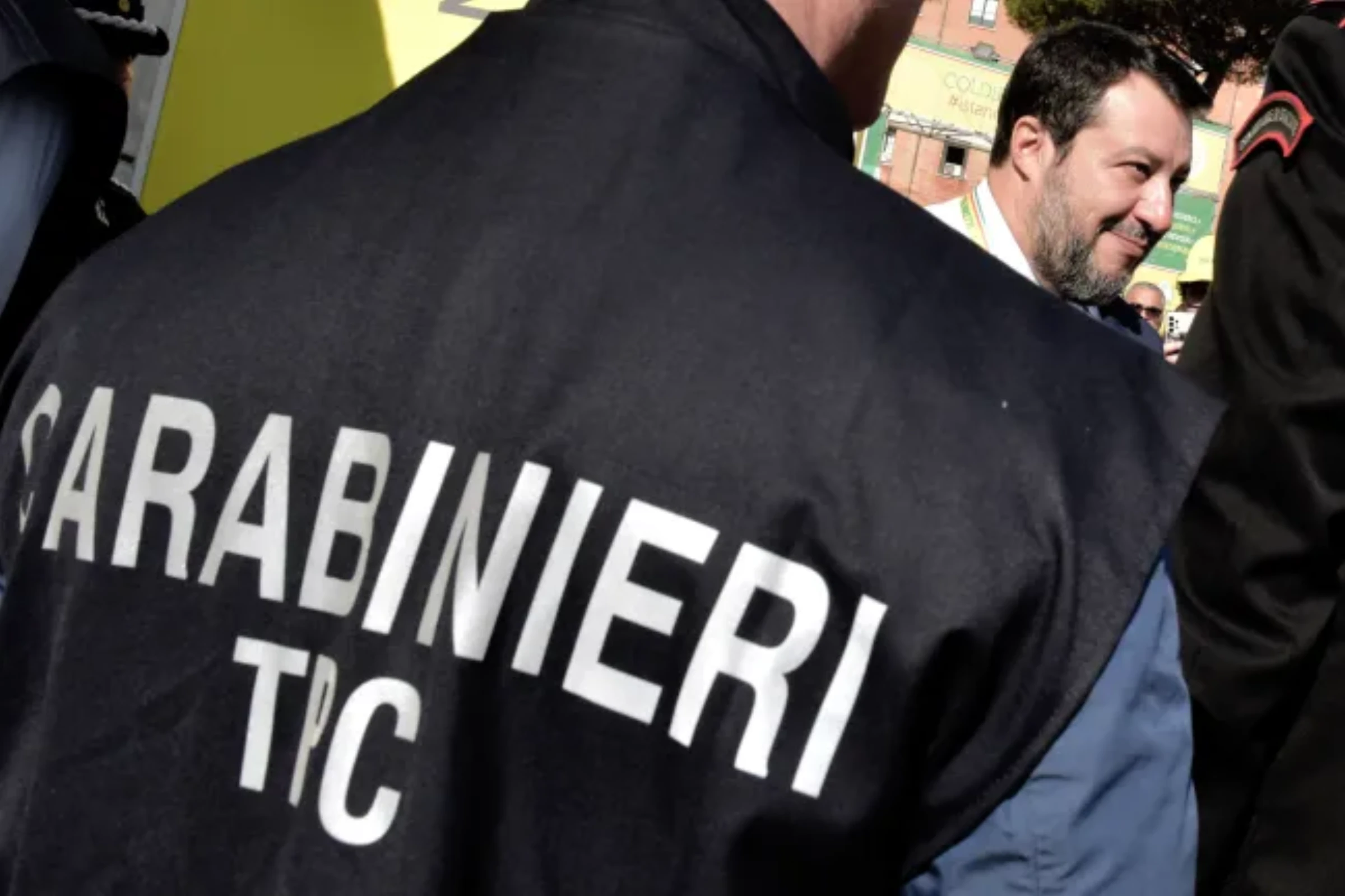
The recovery highlights the effectiveness of Italy's specialized art crime unit, the Carabinieri TPC (Tutela Patrimonio Culturale), which is unique among national police forces in its dedicated focus on cultural heritage crimes. Established in 1969, the unit has recovered thousands of stolen artworks over the decades and has served as a model for similar units in other countries. The Parma case demonstrates the importance of rapid Interpol listing and international cooperation in art theft cases, as the inability to sell the paintings across borders was a direct result of the artworks being quickly registered in international databases.
The case also raises questions about museum security at smaller institutions. The Magnani Rocca Foundation, housed in a historic villa near Parma, holds a collection that includes works by Botticelli, Carpaccio, Durer, Titian, and Goya, among others. The fact that thieves were able to breach the perimeter, enter through a window, and escape with three paintings in under three minutes suggests that the foundation's security infrastructure was not commensurate with the value of its collection. This is a common problem at smaller European museums housed in historic buildings, where architectural preservation constraints can limit the installation of modern security systems. The British Museum and other major institutions have invested heavily in security infrastructure, but smaller museums often lack the budgets to implement comparable measures.
What Comes Next
The recovered paintings will undergo conservation assessment before being returned to the Magnani Rocca Foundation. The five suspects face charges of aggravated theft and receiving stolen goods, and Italian prosecutors may seek additional charges related to organized criminal activity. The case will likely prompt a review of security protocols at the Magnani Rocca Foundation and other small museums in the Emilia-Romagna region, which houses numerous cultural institutions in historic buildings with varying levels of security infrastructure.
The recovery also underscores the broader challenge of art theft in Italy, which has one of the world's richest cultural heritage landscapes and accordingly faces one of the highest volumes of art crime. The Carabinieri TPC maintains a database of approximately 1.3 million stolen cultural objects, and Italian authorities recover thousands of items annually, though many stolen works remain missing for years or decades. The Parma case, resolved in approximately five months, represents a relatively swift resolution by international standards. For context, the 1990 theft of 13 artworks from the Isabella Stewart Gardner Museum in Boston remains unsolved more than three decades later, despite a $10 million reward and ongoing FBI investigation. The contrast illustrates the value of specialized law enforcement resources dedicated specifically to cultural property crime, a model that few countries have adopted with the same commitment as Italy.
The Magnani Rocca Foundation, housed in the Villa Magnani at Mamiano di Traversetolo near Parma, was established in 1978 by the Italian industrialist Luigi Magnani. The foundation's collection spans centuries of European art, from Renaissance masterworks to 20th-century paintings, and is housed in a historic villa surrounded by extensive gardens. The combination of architectural significance and artistic value makes security particularly challenging, as any modifications to the building must comply with Italian cultural heritage preservation regulations. This tension between preservation requirements and security needs is a common issue at Italian cultural institutions, where historic buildings often serve as museums without the benefit of modern security infrastructure. The March heist exposed the vulnerability of this model, where the architectural value of the container can constrain the security of the contents.
The theft and recovery also highlight the role of specialized insurance in the art world. Major museums typically maintain insurance policies that cover theft and damage, but the terms and coverage limits of these policies are closely held. When works are on loan from other institutions or private collectors, insurance arrangements become particularly complex, as multiple parties may have interests in the same objects. The Magnani Rocca Foundation has not publicly disclosed its insurance arrangements, but the recovery of the stolen works means that any insurance payout that may have been made will need to be reconciled with the return of the physical objects. This administrative complexity is an often-overlooked aspect of art theft cases, as the legal and financial implications can persist long after the physical recovery of the works.
For the broader museum community in Italy, the Parma case serves as both a cautionary tale and a validation of existing investments in art crime enforcement. The Carabinieri TPC, with its national reach and specialized expertise, has proven its value once again, demonstrating that even well-organized criminal groups cannot easily operate in the Italian art market without detection. The challenge for smaller institutions like the Magnani Rocca Foundation is to match the enforcement capabilities of the Carabinieri with adequate preventive security measures of their own. The foundation has not commented publicly on its post-theft security upgrades, but it is likely that the March heist will prompt a review of security protocols at similar institutions across the country. The Italian Ministry of Culture, which oversees cultural heritage protection, may also issue updated security guidelines for smaller museums housed in historic buildings, addressing the specific vulnerabilities exposed by the Parma heist.
The five Moldovan suspects in the case are currently in custody, and their prosecution will likely shed additional light on the organized crime networks that facilitate art theft in Europe. The involvement of Moldovan nationals is consistent with patterns observed in other European art thefts, where criminal groups from Eastern Europe have been linked to a number of high-profile heists. The trial, when it occurs, may reveal how the thieves identified the Magnani Rocca Foundation as a target, whether they had inside assistance, and what they intended to do with the stolen works. These details will be of interest not only to the Italian public but to museum security professionals across Europe who are working to prevent similar incidents at their own institutions. The case is a reminder that art theft is not a victimless crime or a romantic adventure, but a serious organized criminal activity that targets shared cultural heritage for private gain.
The recovery of the three paintings represents a significant success for the Carabinieri TPC, but it also raises broader questions about the international trade in cultural property and the effectiveness of current legal frameworks for cross-border cooperation in art crime cases. The suspects in the Parma heist are Moldovan nationals, and their alleged involvement in organized crime networks that operate across national borders highlights the need for improved cooperation between European law enforcement agencies in addressing cultural property crime. The European Union has taken steps in this direction with the establishment of Europol's Cultural Property Crime unit, but resources remain limited and coordination between national police forces is often slow. The Parma case may serve as a catalyst for renewed investment in cross-border art crime enforcement, particularly as the movement of stolen cultural objects through European borders continues to pose challenges for law enforcement agencies operating within national jurisdictions.