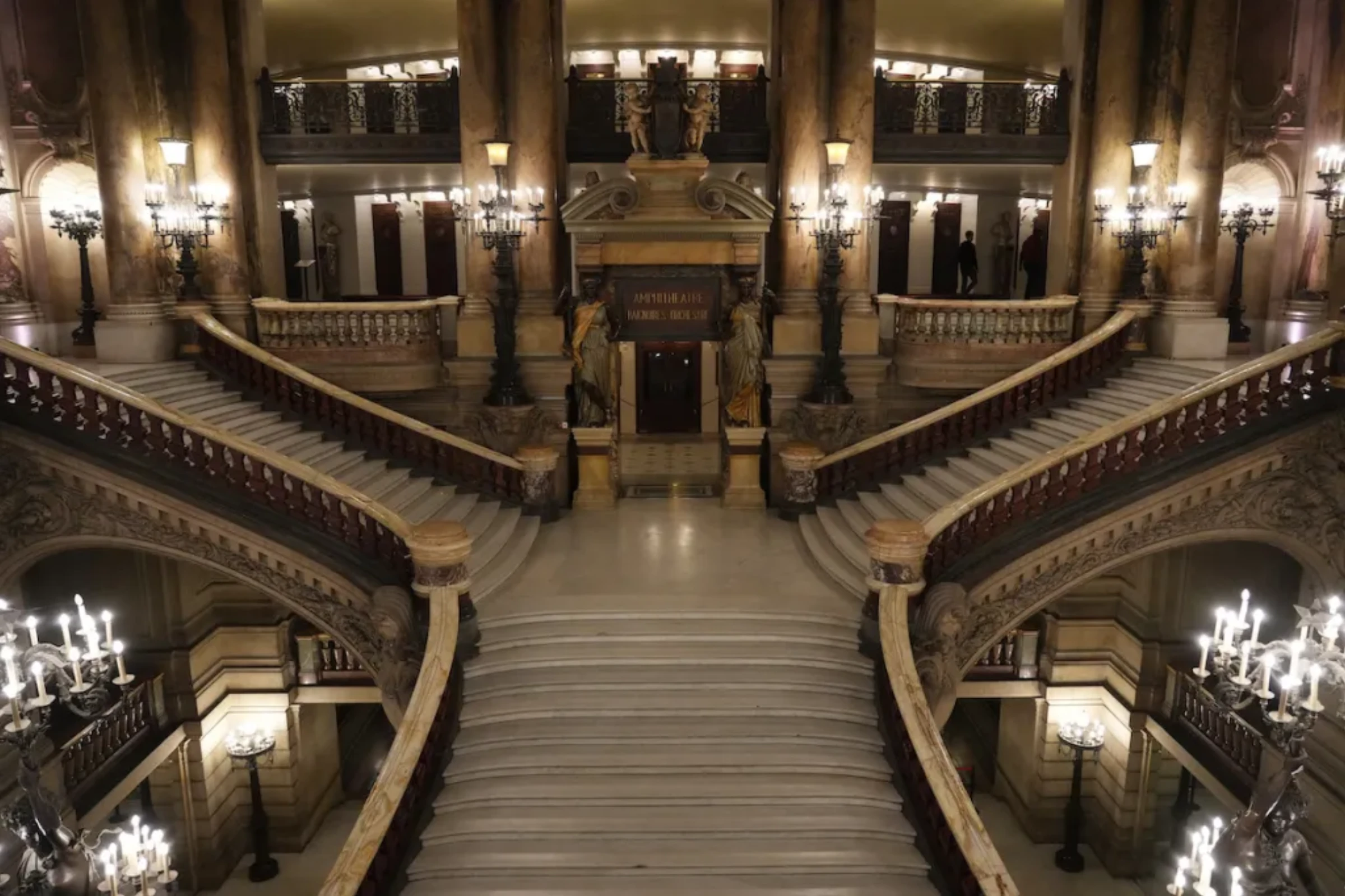
Toxic Lead Discovery Delays Palais Garnier Renovations
Historic Paris opera house faces budget chaos and extended closures after lead contamination is found during restoration
Contamination Crisis in the Heart of Paris
The Palais Garnier, a masterpiece of 19th-century architecture and the spiritual home of the Phantom of the Opera, is currently grappling with a hazardous discovery that threatens its operational future. During the course of extensive renovation work, contractors discovered dangerous levels of lead contamination throughout the structure. This discovery has immediately stalled the restoration process, forcing a reassessment of safety protocols and an overhaul of the project's timeline. The impact is not merely architectural; it is a logistical nightmare for the city of Paris.
As reported by Le Figaro, the presence of toxic lead has thrown the previously tight schedule of venue closures into total disarray. The budget, which was already substantial given the complexity of the building's ornate interiors, is now expected to skyrocket as specialized hazardous material removal teams are brought in. For an institution that serves as a global beacon of high culture, this delay represents a significant loss in revenue and a disruption of the cultural calendar in one of the world's most visited cities.
The discovery of lead is not an isolated incident but part of a broader trend in the restoration of grand European monuments. As we move deeper into the 21st century, the architectural ambitions of the 19th century are clashing with modern environmental and health standards. The Palais Garnier, with its labyrinthine corridors and ornate ceiling frescoes, presents a unique challenge for remediation. Lead is not just in the paint; it is often embedded in the very substrates of the walls and the pipes that serve the building's internal infrastructure. This means that the remediation process cannot be a simple surface cleaning but must be a deep, invasive operation. This is part of a larger pattern of institutional decay and recovery, much like the recent struggles of European museums to modernize their aging facilities.
The Complexity of 19th-Century Materials
The Palais Garnier, opened in 1875, is a prime example of the Beaux-Arts style. However, the very materials that provided its grandeur—heavy paints, ornate plasters, and industrial piping—are now the source of its crisis. Lead was ubiquitous in 19th-century construction and decoration, often used in pigments and primers. The challenge for modern conservators is that removing these toxins without damaging the original, fragile surfaces of the opera house is an incredibly delicate operation. The risk of permanently altering the historic fabric of the building is high.
This situation highlights a recurring problem in the preservation of historic European monuments: the "toxic legacy" of the Industrial Revolution. Many of the world's most cherished sites are built with materials that are now known to be hazardous. From the lead pipes of ancient Rome to the asbestos in mid-century modernism, the cost of safety often clashes with the desire for authenticity. The Palais Garnier is now the latest high-profile victim of this conflict, where the need for a healthy environment for performers and audiences outweighs the desire for a swift return to service.
The technical difficulty of this operation cannot be overstated. To remove lead-based paint from a gold-leafed molding or a hand-painted mural requires a level of precision that borders on the surgical. Conservators must use specialized vacuums and chemical strippers that do not react with the original pigments. This slow, painstaking process is what extends the timeline from months to years. It is a race against time where the goal is not just to remove the toxin, but to preserve the art that the toxin was meant to protect. This tension between health and heritage is the central drama of the current renovation, a topic frequently analyzed in the archives of Artnet.
Impact on the Arts and Tourism Economy
The projected delay is severe, with some reports suggesting that work planned for two years may now take five. This extension is catastrophic for the opera's scheduling, as multiple productions and gala events must be relocated or cancelled. The ripple effect extends beyond the walls of the Palais Garnier, impacting the surrounding hospitality and tourism sectors that rely on the opera house as a primary draw. The cultural void left by the closure will be felt across the Parisian arts scene, which is already struggling to balance heritage preservation with modern accessibility.
Furthermore, the budget overrun is expected to create friction between the city's cultural administration and the financial planners. Funding for the arts is often subject to intense scrutiny, and a sudden, massive increase in costs due to environmental hazards can lead to cuts in other critical areas. The crisis forces a difficult conversation about the true cost of maintaining a 150-year-old landmark in the 21st century. It is no longer enough to simply paint and polish; institutions must now budget for the invisible dangers of the past.
For the Parisian tourism industry, the Palais Garnier is a cornerstone of the "luxury" experience. When a site of this magnitude closes, it affects everything from nearby hotels to high-end dining. The economic loss is measurable in millions of euros. Moreover, the closure creates a psychological impact on the city's image as a flawlessly maintained museum-city. The revelation that one of its most famous buildings is essentially toxic is a blow to the narrative of effortless Parisian elegance. It exposes the raw, industrial reality that underlies the gilded facades of the Second Empire, a contrast that ARTnews has previously linked to the broader decay of urban luxury.
The Future of the Phantom's Home
As the Palais Garnier enters this new, slower phase of renovation, the focus shifts from aesthetic improvement to environmental remediation. The goal is to ensure that the building is safe for the next generation of artists and spectators, but the path to that goal is now longer and la more expensive. The project will likely become a case study for other historic theaters worldwide, demonstrating the necessity of comprehensive environmental audits before the commencement of major structural work. This is a lesson in humility for the architectural community: no matter how grand the design, the chemistry of the past always catches up with the present.
Ultimately, the survival of the Palais Garnier depends on the ability to merge 19th-century splendor with 21st-century safety standards. While the delay is frustrating and the cost is staggering, the alternative—a building that is beautiful but toxic—is unacceptable. The opera house will eventually reopen its doors, but it will do so as a testament to the invisible labor of remediation, proving that the most important part of restoration is sometimes what you cannot see. The project's success will be defined by whether it can save the building's soul while scrubbing away its poisons.
Looking forward, the Palais Garnier renovation may prompt a city-wide audit of other Beaux-Arts structures in Paris. From the Louvre's older wings to the various municipal theaters, the risk of lead contamination is systemic. By facing this crisis head-on, Paris is not just saving an opera house; it is defining the standard for the ecological preservation of the city's architectural heritage. The cost is high, but the alternative is a city of beautiful, uninhabitable monuments. The Phantom of the Opera may have lived in the depths of the Garnier, but the real monster is the industrial residue of the 19th century.
This crisis also reflects the broader struggle of the state to maintain its prestige. When a landmark as iconic as the Garnier is revealed to be toxic, it serves as a metaphor for the decaying infrastructure of the European city. The struggle to balance the aesthetic demands of the tourism industry with the health demands of the workers who maintain these sites is a conflict that will only intensify. As the city moves forward, the Garnier will stand as a reminder that the most enduring legacies are often those that require the most uncomfortable interventions to survive. The transition from a site of luxury to a site of hazardous remediation is the most honest portrait of the building we have seen in a century.
The long-term recovery of the Garnier will also require a new approach to funding. Traditional grants are often geared toward aesthetic preservation rather than environmental remediation. To solve the lead crisis, the city may need to seek new forms of public-private partnerships that prioritize safety over spectacle. This could lead to a new model of "ecological philanthropy," where donors contribute specifically to the detoxification of the city's heritage. Without this shift in funding, the opera house risk becoming a permanent construction site, a gilded shell that remains closed to the public while the city argues over who pays for the cleanup. This is the ultimate irony of the Garnier: its beauty is the very thing that makes its toxicity so expensive to erase.