MAM Rio Fire-Insurance Ruling Exposes a Governance Problem
A Brazilian court fined MAM Rio’s former director over comments on fire insurance, exposing how museums still punish transparency around collection risk
A Court Fine Has Made Museum Risk Management the Real Story
A Rio de Janeiro appeals court has ordered former MAM Rio executive director Fábio Szwarcwald to pay 100,000 reais after finding that his public statements about the museum’s lack of fire insurance breached a confidentiality clause. The immediate legal issue is contract law. The real issue is more unsettling: what it means when a museum leader is punished for speaking publicly about a basic safeguard tied to the protection of a major public collection. As Artforum reported, Szwarcwald had said the Museu de Arte Moderna do Rio de Janeiro lacked fire insurance between 2006 and 2022. MAM Rio has confirmed that insurance gap.
That admission changes the tone of the case. This is not a dispute over a false allegation that damaged an institution’s reputation. It is a dispute over whether saying something true about collection vulnerability can itself be treated as reputational harm. The court sided with the museum’s contractual protections, reasoning that the statements hurt MAM Rio in the eyes of donors, artists, and the public. But for anyone who remembers the history of catastrophic museum fires in Brazil, or MAM Rio’s own 1978 blaze, the instinctive response is not outrage at disclosure. It is alarm that such a disclosure was necessary at all.
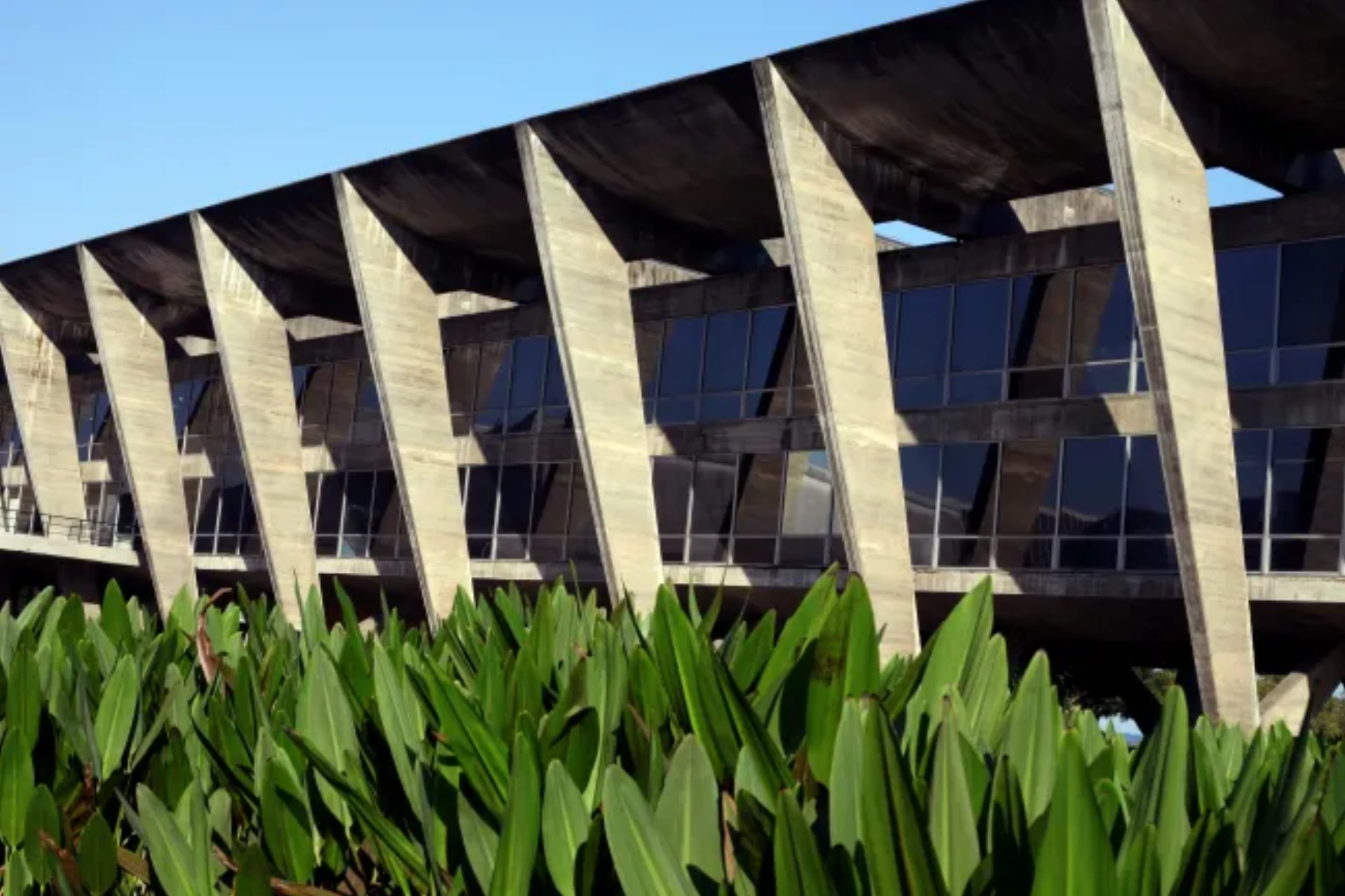
MAM Rio is not a minor regional museum. On the institution’s own about page, it presents itself as a central site for modern and contemporary art in Brazil, with a collection history tied to major artists, cinema, architecture, and cultural debate. Its history also includes loss. The museum’s institutional chronology records the 1978 fire that destroyed hundreds of works. Against that background, the absence of fire insurance for such a long period does not read like an administrative detail. It reads like a governance failure with direct implications for stewardship.
Transparency, Confidentiality, and the Culture of Museum Management
The ruling lands in an art sector that often treats operational transparency as optional until something breaks. Boards prefer calm messaging. Donors prefer confidence. Institutions prefer the appearance of stability, especially when budgets are tight and reputations are fragile. That environment can make risk disclosure feel disloyal even when it is materially necessary. Szwarcwald’s case shows how quickly the line between governance concern and public embarrassment can become legally consequential. If an executive speaks about structural weakness, is that sabotage, whistleblowing, or basic accountability? Many museums would rather never answer the question in public.
There is a reason fire insurance strikes such a nerve. It stands at the intersection of fiduciary responsibility, conservation policy, and donor trust. Insurance is not the same thing as prevention, and it cannot restore irreplaceable works once destroyed. But its presence signals that an institution has at least grappled with the financial and managerial realities of catastrophic risk. Its absence suggests either extraordinary confidence or, more likely, constrained finances and deferred responsibility. When a museum with MAM Rio’s history and stature goes years without that coverage, the public deserves more than internal handling and nondisclosure clauses.
Brazil’s museum sector has painful recent memory on this point. The 2018 fire at the National Museum in Rio de Janeiro became an international symbol of what chronic underfunding, deferred maintenance, and weak safety systems can produce. That disaster has shaped public expectations around institutional candor. After such losses, opacity no longer looks professional. It looks reckless. Museums that ask audiences, governments, and philanthropists to trust them with collections cannot reasonably expect that trust to survive if operational vulnerability is treated as a secret to be defended rather than a problem to be solved.
The budget context makes the issue sharper, not softer. When museum leaders say an institution cannot carry every safeguard at once, they are often telling the truth. But that is exactly when governance standards matter most. Scarcity is when boards should be clearest about priorities, public obligations, and the tradeoffs they are imposing on staff and collections. If insurance, building upgrades, or fire-prevention systems are deferred, stakeholders should know that in broad terms. Otherwise the institution asks the public to admire exhibitions while remaining blind to the conditions that make preservation increasingly precarious behind the scenes.
The problem is not unique to Brazil. Museums everywhere struggle to discuss operational weakness without sounding fragile to donors or negligent to regulators. Yet that same discomfort is why readers should connect this case to broader sector patterns, including the crisis frameworks we examined in our museum crisis-planning guide. Collections are protected by budgets, board discipline, maintenance schedules, and insurance policies long before they are protected by statements. When institutions hide the status of those systems, the public gets performance instead of stewardship.
Why the MAM Rio Case Matters Beyond Brazil
The facts are specific to Rio, but the governance pattern is widely recognizable. Museums across different countries live with aging buildings, inconsistent public funding, deferred capital work, and donor-facing pressure to project confidence. In that setting, executives who push aggressively for structural upgrades can end up isolated by boards seeking cost control or message discipline. Artforum notes that Szwarcwald advocated for fire-safety improvements and for the purchase of fire insurance during his tenure. If that is the case, then the dispute is not simply about what he said after the fact. It is also about what kinds of risk warnings institutions are prepared to absorb before those warnings become public scandal.
There is an irony here that should not be lost. The ruling appears to protect museum reputation by penalizing speech, yet the case has drawn renewed international attention to the insurance lapse itself. That is often how secrecy backfires. Once a governance issue enters the public domain through litigation, it becomes larger than the original disclosure. The question ceases to be whether the institution looked bad for a moment. The question becomes whether it built systems capable of learning from its own vulnerabilities.
For museum workers, the message is mixed at best. On one hand, boards regularly claim to value diligence, professional judgment, and care for collections. On the other, the MAM Rio case suggests that speaking bluntly about institutional weakness can carry severe professional and financial consequences. That tension is corrosive. It encourages executives to manage optics upward while managing risk quietly, even when quiet management is what failed in the first place.
One practical consequence of this culture is that warning signs get translated into euphemism. Deferred works become phased capital planning. Underinsurance becomes a budget question for later. Safety vulnerabilities become internal governance matters. None of that language helps the public understand the scale of risk, and none of it helps museum professionals build leverage for necessary changes. If the art field wants to learn anything from MAM Rio, it should be that the punishment of frank speech usually reveals an institution already failed to create honest channels for internal accountability.
What a Better Response Would Look Like
A stronger governance culture would also distinguish between confidential security detail and legitimate public-interest disclosure. There are obvious reasons museums should not publish every technical vulnerability of a site or every emergency protocol in full. But saying whether a major collection has been insured against fire is not the same as handing intruders a floor plan. Treating those categories as equivalent encourages a bunker mentality in which institutions confuse privacy with professionalism. In practice it leaves staff, artists, lenders, and audiences with less information than they need to judge whether stewardship claims are credible.
If museums want public trust, the stronger model is not enforced silence but structured transparency. Institutions should disclose the broad status of major collection-protection systems, building vulnerabilities, and capital priorities without exposing security details that would genuinely create danger. They should also make clear how boards evaluate high-consequence risk. Those practices are not glamorous, but they are far more credible than defending confidentiality after the public learns a key safeguard was missing.
That is why the MAM Rio ruling should matter to anyone responsible for collections, not only to lawyers following Brazilian employment disputes. It crystallizes a choice museums keep trying to avoid. They can build cultures where risk reporting is expected, documented, and answered with governance action, or they can let those warnings accumulate until they emerge through rupture, resignation, litigation, or disaster. One path is uncomfortable but reparable. The other is smoother in the short term and far more expensive when reality finally intervenes. Museums that claim to defend cultural memory should know the difference by now.
Boards should pay attention to how these cases read from the outside. When a museum emerges from litigation looking more committed to disciplining a former executive than to explaining how a major protection gap was allowed to persist, it sends the worst possible signal. Artists wonder how candid the institution is with lenders. Donors wonder what else sits behind confidentiality language. Staff learn that reputational management outranks blunt diagnosis. None of those outcomes strengthens the museum. They simply make future warnings less likely to surface until the costs are higher and the options narrower.
MAM Rio will continue, and Szwarcwald says he plans to appeal. The legal process may eventually narrow or revise the judgment. But the reputational lesson is already clear. Museums do themselves no favors when they treat stewardship concerns as private embarrassment rather than public duty. In a field shaped by fragile buildings, irreplaceable objects, and recurrent underfunding, the hard truth is simple: transparency about risk is not the enemy of institutional legitimacy. It is one of the few things that can still build it.