Guggenheim Sues to Recover Picasso Stolen 65 Years Ago
A Picasso painting stolen from the University of Pittsburgh in 1961 has resurfaced at Christie's, and the Guggenheim wants it back
What Happened
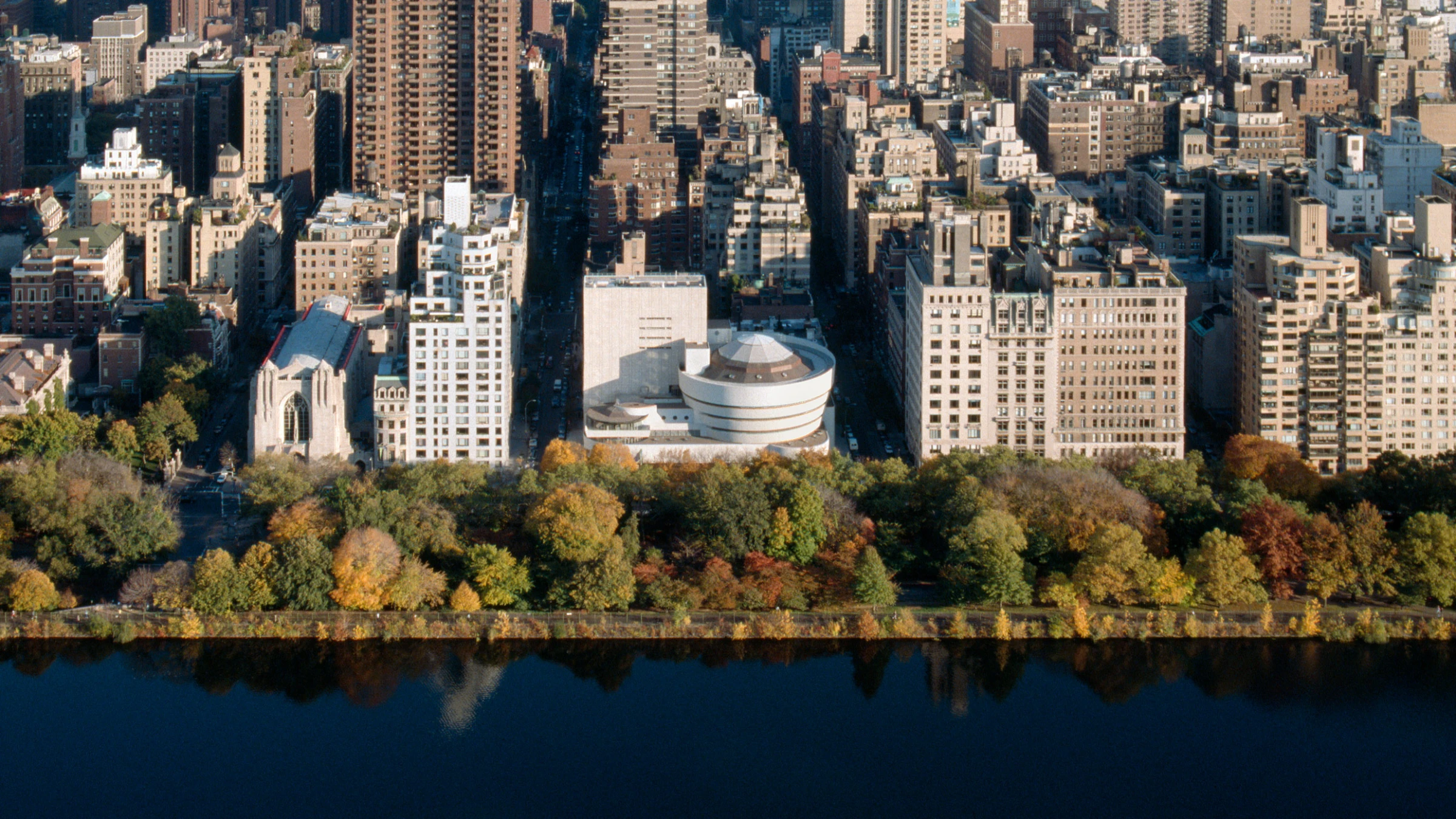
The Solomon R. Guggenheim Foundation has filed suit in New York State Supreme Court to recover a Pablo Picasso painting stolen while on loan from the museum more than six decades ago. The lawsuit, filed on August 13, 2026, targets Massachusetts residents Lawrence Jay Handler and Wendy Cohen Handler, who the museum says currently possess Femme dans un fauteuil (Woman in an Armchair), a small 1918 painting that disappeared from the University of Pittsburgh in 1961.
The painting resurfaced when Christie's offered it for private sale. A researcher noticed that the Guggenheim appeared in its provenance in Christian Zervos's Picasso catalogue raisonne and contacted the museum. The Guggenheim says it demanded the painting's return in August 2023. The Handlers refused, and the Picasso has been held at Christie's ever since. The museum is seeking the painting's return and between $3.5 million and $5 million in compensatory damages.
The 1961 Theft
The story begins on February 5, 1961, when a graduate student and dormitory aide discovered that the small canvas was missing from the university's Students Union building. The Guggenheim Museum had lent the work for an exhibition during the fall semester and was expecting it back later that month. Pittsburgh police were notified and the FBI joined the investigation. News of the theft was circulated to institutions across North America and a reward was offered, but nothing turned up. The trail went cold.
The painting's journey from Pittsburgh to its current holders remains a mystery. The lawsuit states that the Handlers bought the picture from the now-closed Beadleston Fine Art gallery in 1999. Whether the Handlers or Beadleston knew that the work had been stolen when it was sold remains unclear. Court filings put the painting's value at between $10,000 and $60,000 at the time of the theft. Today, a 1918 Picasso could be worth millions.
Three Years of Negotiations
The dispute did not immediately end up in court. According to the complaint, the two sides spent nearly three years trying to resolve the matter, from August 2023 through July 2026. In February 2024, a Guggenheim representative and a Picasso expert went to Christie's to examine the painting in person. The expert confirmed that the work was authentic and matched the museum's records. The museum then made a formal demand for its return, which the Handlers rejected. The Handlers' position, as outlined in court filings, appears to rest on their claim that they purchased the painting in good faith from a reputable gallery nearly 40 years after the theft, without any knowledge of its stolen status. Whether this defense will hold in New York courts, which have consistently ruled that good faith purchase does not extinguish the original owner's title to stolen property, remains to be seen.
There is also a logistical wrinkle involving insurance. After the theft, Chubb paid the Guggenheim $7,000. Once the painting resurfaced, the museum repaid the insurer in late 2023, and Chubb subsequently confirmed that title to the work had been restored to the Guggenheim. The museum's legal position is straightforward: the painting was stolen, the Handlers possess stolen property, and the museum is the rightful owner. A Guggenheim spokesperson told Hyperallergic that the museum had tried to resolve the dispute outside court and was firm that it "is and always has been the painting's rightful owner."
A Curious Precedent
The case has a curious precedent involving the Guggenheim itself. In the late 1980s, the museum sued to recover Marc Chagall's The Cattle Trader, which it said had been stolen by a mailroom employee decades earlier and eventually sold to an unsuspecting couple through a Madison Avenue gallery. The buyers argued that they had acquired the work in good faith and that the Guggenheim had waited too long to pursue it.
New York's highest court allowed the museum's case to proceed in a 1991 decision that helped establish the state as particularly friendly territory for rightful owners trying to recover stolen art, even when it has subsequently been bought in good faith. The dispute was ultimately settled in 1993. That precedent now undergirds the Guggenheim's case against the Handlers. New York law generally holds that a thief cannot pass good title, and that the original owner's claim does not expire simply because time has passed. This principle has made New York a key jurisdiction for art restitution cases.
The Picasso's Provenance and the Art Market
Picasso painted Femme dans un fauteuil during his honeymoon with his first wife, the Russian ballerina Olga Khokhlova, near Biarritz in 1918. The painting dates from a relatively early period in Picasso's career, when he was working in a post-Cubist mode that blended classical and modernist elements. The Guggenheim acquired it from London's Gallery Zwemmer in 1936, making it one of the earlier Picassos to enter an American museum collection. The painting's provenance was well-documented, which is how the Christie's researcher was able to trace it back to the Guggenheim through the Zervos catalogue raisonne.
The case highlights the ongoing challenges of art provenance research, a field that has gained increasing institutional attention in recent years. Major auction houses like Christie's now employ provenance specialists who cross-reference works against databases of stolen art. The artworld.today guide to art provenance research outlines the methods museums and collectors use to trace ownership histories. As this case demonstrates, even paintings with clear institutional provenance can disappear for decades before resurfacing in the private market.
The role of Beadleston Fine Art, the now-closed gallery that sold the painting to the Handlers in 1999, raises questions about due diligence in the secondary market. Galleries and dealers are expected to conduct provenance checks before offering works for sale, but standards vary widely. A painting stolen from a major museum in 1961 should have raised red flags, yet it apparently passed through the market without incident. The lawsuit may shed light on what Beadleston knew and what checks were performed when the sale occurred. The gallery, which operated on the Upper East Side before closing, was a respected dealer in modern and contemporary art. If Beadleston did not identify the painting as stolen during the 1999 sale, it would raise questions about how thoroughly galleries vetted provenance records before the recent wave of institutional attention to stolen art cases. The secondary market has historically operated on a presumption of good faith that has been challenged by the growing body of restitution litigation.
What Comes Next
The lawsuit will likely take months to resolve. The Handlers have not yet publicly responded to the complaint. Key questions include whether they can demonstrate that they purchased the painting in good faith, whether the statute of limitations applies, and whether New York courts will follow the precedent set by the Chagall case. The outcome will add another chapter to the evolving body of case law governing stolen art recovery in New York.
The case also underscores the importance of the Guggenheim's position as both a collecting institution and a lender. Museums that lend works to universities and other venues face risks that have not disappeared in the digital age. The fact that a painting stolen in 1961 can resurface in 2023 and trigger a major lawsuit is a reminder that provenance disputes can span generations. For the Guggenheim, recovering this Picasso would close a 65-year-old wound and reinforce the principle that stolen art does not simply become un-stolen with the passage of time. The case also sends a message to other institutions that have lent works over the decades: loans to universities and non-museum venues carry risks that persist long after the loan period ends, and institutions that cannot account for all their lent works may find that those works resurface in unexpected places, with unexpected owners, decades later. The fact that a painting can vanish for 65 years and still be subject to a successful recovery claim demonstrates that provenance is not a bureaucratic formality but a legal necessity. Museums that lent works decades ago and never received them back are watching this case closely. The Guggenheim's willingness to pursue the matter through the courts, rather than accepting a financial settlement or walking away, may encourage other institutions to do the same. The outcome will also affect how auction houses and galleries conduct due diligence in the secondary market. The fact that the painting passed through Beadleston Fine Art and then sat at Christie's without being identified suggests that current provenance checking has significant blind spots. If a researcher outside these institutions could trace the painting through the Zervos catalogue raisonne, the question arises as to why the galleries and auction houses that handled the work did not perform the same check. The secondary market has improved its provenance practices in recent years, but this case suggests that significant gaps remain. Christie's, which held the painting for private sale, may face questions about its own provenance checking procedures. If a researcher outside the auction house identified the Guggenheim connection through the Zervos catalogue raisonne, why did Christie's own specialists not flag it earlier? The secondary art market has improved its provenance practices in recent years, but this case suggests that significant gaps remain.