Europe Returns 2,000 Stolen Artifacts to Ghana
A landmark agreement sees the Netherlands and Germany returning over 2,000 cultural objects unlawfully taken during colonial conquests to Ghana
The Scale of Reparatory Restitution
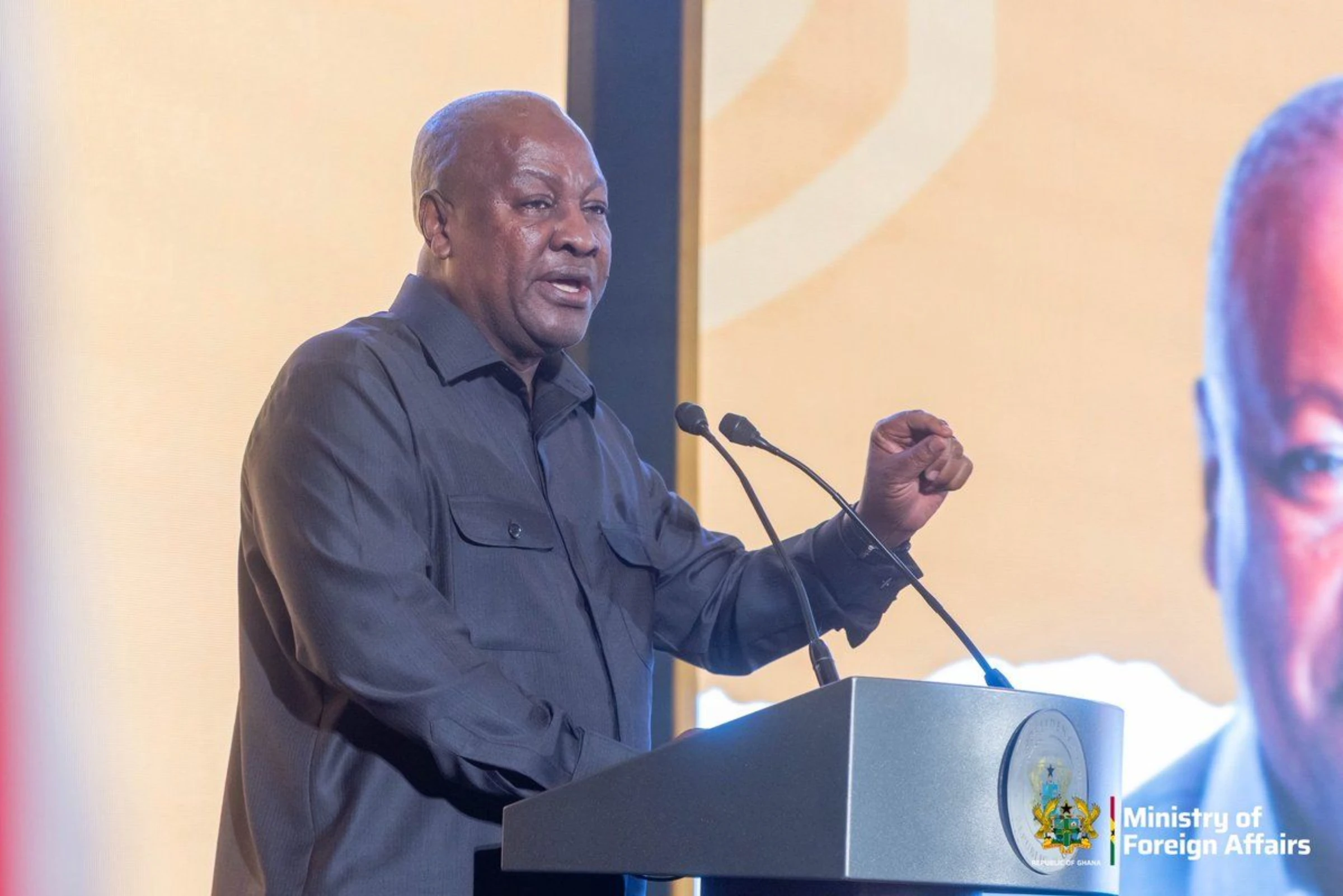
In a definitive move toward correcting colonial-era wrongs, the governments of the Netherlands and Germany have committed to returning more than 2,000 cultural artifacts to Ghana. These objects, largely seized during colonial conquests, are being repatriated as part of a strategic effort to address historical injustices and the systemic looting of African heritage. The announcement was formalized during the Next Steps Conference in Accra, where Dutch Ambassador Jeroen Verheul handed over the catalogue of objects earmarked for return to Ghanaian President John Dramani Mahama. This massive transfer of ownership represents one of the most significant single-batch restitution efforts in recent years, moving beyond the piecemeal return of individual high-profile pieces toward a comprehensive institutional clearing of colonial archives and marking a shift in how European museums view their roles as custodians of stolen property
The German contribution, while smaller in quantity than the Dutch, is high in specific cultural value, including two war drums and two war horns specifically linked to the Kpando traditional area. These items are not merely art objects but ancestral spiritual vessels that hold deep meaning for the local communities from which they were severed. By targeting specific regional links, the German government is acknowledging that restitution is not just a state-to-state transaction but a community-level necessity for cultural healing.
This shift in policy reflects a growing admission within European capitals that the legal frameworks used to justify the retention of these objects—often citing the laws of the conquering power—are morally bankrupt. The act of return is an acknowledgement that the original acquisition was not a legal trade but an act of theft. By prioritizing the return of these items, the Netherlands and Germany are attempting to dismantle the legacy of colonial entitlement that has long characterized European museum curation.
The operational complexity of such a large-scale return cannot be understated. Returning 2,000 items requires not only the logistical coordination of shipping and insurance but the meticulous archival work of verifying each piece's provenance. For the Dutch and German museums, this process has meant digging through centuries of haphazard record-keeping to identify what was taken and from where. The effort is a mirror of the colonial process itself: where the looting was swift and chaotic, the restitution is slow and bureaucratic. Yet, this administrative slog is a necessary part of the penance. By documenting the exact path from a Ghanaian village to a European basement, the museums are effectively creating a map of colonial theft that can never be erased.
A Global Framework for Reparatory Justice
This restitution is not happening in a vacuum; it is the operational result of a landmark United Nations resolution passed on March 26, which declared the transatlantic slave trade the "gravest crime against humanity." Led by Ghana, this resolution has created a moral and legal imperative for former colonial powers to act. The Next Steps Conference in Accra, attended by leaders including Mia Amor Mottely of Barbados and Bassirou Diomaye Faye of Senegal, sought to translate this UN resolution into a actionable strategic framework for reparatory justice. This framework extends beyond the return of objects to include an expert panel on restitution and the establishment of a global system for tracking looted heritage.
The Dutch approach, as described by Ambassador Verheul, is "demand-driven," meaning the process is triggered by the requesting nation. While this puts the burden of proof and discovery on the victimized state, the Netherlands has committed to increasing transparency through the digitisation and publication of provenance information. This open-data approach is intended to make the "hidden" collections of European museums visible to the world, essentially inviting African nations to claim what is theirs. However, critics of this model argue that a truly reparatory approach would involve proactive research by the holding institutions to identify and return stolen goods without requiring the former colonies to ask for them first as outlined in various UNESCO guidelines on cultural property
Moreover, the scale of this return suggests that the 'demand-driven' model is evolving. When thousands of items are returned at once, it indicates that the holding institution has already done the heavy lifting of cataloging and identifying these works. This suggests a move toward a more proactive stance, where European museums are identifying stolen heritage internally before the demand is even made, fundamentally changing the power dynamic between the colonizer and the colonized.
This evolution toward proactivity is a response to the growing legal risks facing European museums. As international law increasingly recognizes the rights of origin nations, the 'demand-driven' model is becoming a liability. Museums that wait for a request may find themselves in a legal battle over an object they already know was stolen. By shifting to a proactive model, these institutions are not just performing an act of morality, but are mitigating the risk of high-profile lawsuits that could damage their remaining reputation. It is a strategic pivot toward ethical survival in a world that is no longer willing to tolerate colonial theft as a standard of curation.
The Moral Weight of the Christiansborg Castle
The symbolic weight of these returns was underscored during the conference's final day, which coincided with Juneteenth, the anniversary of the abolition of slavery in the United States. A re-enactment of the slave trade took place at Christiansborg Castle in Accra, a site that served as a primary nexus for the transatlantic trade and remains a harrowing testament to colonial brutality. The government of Denmark has agreed to assist in the preservation of the castle, ensuring that it remains an enduring piece of evidence of the atrocities committed. This synergy between the return of physical objects and the preservation of sites of trauma creates a holistic approach to historical memory.
For Ghana, the return of these 2,000 objects is about more than filling museum galleries; it is about the restoration of a severed identity. The loss of these artifacts during the colonial era was not just a loss of material wealth but a systematic erasure of historical record and spiritual practice. When a war drum returns to the Kpando area, it is not merely an acquisition for a state museum but a return of a living voice to its people. This move reinforces the argument that the "universal museum" model—whereby Western institutions claim to hold the world's art for the benefit of all— is an obsolete justification for the retention of stolen goods.
The psychological impact of these returns cannot be overstated. For generations, Ghanaian scholars and citizens have had to travel to Europe to view their own history. The return of these items restores the primacy of the origin site, allowing for a localized interpretation of the objects. It allows the Ghanaian people to engage with their heritage on their own terms, without the mediation of a European curator. This is the essence of cultural sovereignty: the right to own, interpret, and display one's own ancestral legacy.
This restoration of sovereignty also has profound implications for the education of future generations in Ghana. When children can see the physical evidence of their ancestors' artistry and spirituality in their own country, it transforms the way history is taught. It moves from a narrative of loss and theft to a narrative of recovery and resilience. The presence of these 2,000 objects in Ghana is a physical manifestation of the victory of cultural memory over colonial erasure, providing a tangible link to a past that the colonizers tried to erase through the physical removal of its material culture.
The Future of European Museum Policy
The actions of the Netherlands and Germany signal a tipping point in European museum policy. For decades, the prevailing narrative was one of "legal" acquisition under the laws of the time, however oppressive those laws were. By admitting that these objects were "taken unlawfully," these nations are effectively dismantling the legal shield that has protected colonial collections. This creates a dangerous precedent for other holding institutions in the UK and France, who may find themselves facing similar demands for the return of the Benin Bronzes or the Parthenon Marbles.
As more European countries introduce policies to ease restitution, we are seeing a new era of cultural diplomacy. The return of art is becoming a tool for rebuilding diplomatic ties and acknowledging shared histories of trauma. The challenge moving forward will be the infrastructure of reception; Ghana and other receiving nations must build the facilities and conservation standards necessary to house these items, often while dealing with the economic legacies of the very colonialism that stole the art in the first place. The success of this batch return will likely serve as the blueprint for the next decade of global restitution efforts shaping a new standard for institutional ethics in the 21st century
Ultimately, the return of these 2,000 artifacts is a victory for the movement toward a more ethical global art world. It proves that the inertia of colonial preservation can be overcome by political will and moral clarity. The focus now shifts to whether other nations, particularly the UK and France, will follow this lead or continue to cling to a version of history that prizes the possession of objects over the restoration of justice. The eyes of the Global South are now firmly fixed on the remaining colonial vaults, waiting for the next set of keys to be turned.
The true measure of this restitution effort will be whether it leads to a systemic change in how Europe manages its colonial legacies. If this is merely a diplomatic gesture—a handful of objects returned to appease a diplomatic request—it will be seen as a performance of justice. But if it leads to the total transparency of all colonial holdings and the return of all unlawfully taken items, it will mark the end of the colonial museum. Ghana's role as a leader in this process, from leading the UN resolution to hosting the Next Steps Conference, positions the nation not just as a receiver of art, but as the moral compass of a new global order in cultural heritage.
Finally, this movement toward restitution is inextricably linked to the broader fight for climate justice and economic reparations. The same colonial structures that looted art also extracted the minerals and labor that built the industrial wealth of Europe. By returning the art, the Netherlands and Germany are beginning to acknowledge a debt that is not just cultural, but financial and environmental. The return of 2,000 objects is a symbolic first step toward a more comprehensive accounting of colonial exploitation. It suggests that the era of the 'Great Divergence' is finally being confronted with a requirement for genuine reciprocity, where the Global North stops treating the Global South as a source of raw materials and starts treating it as a peer in the stewardship of human civilization.