Restituted Kolbe Fountain Sets Record in Berlin
A restituted Georg Kolbe fountain sold for €4 million after Berlin’s Georg Kolbe Museum returned it to Heinrich Stahl’s heirs.
A record price matters less here than the sequence that made it possible
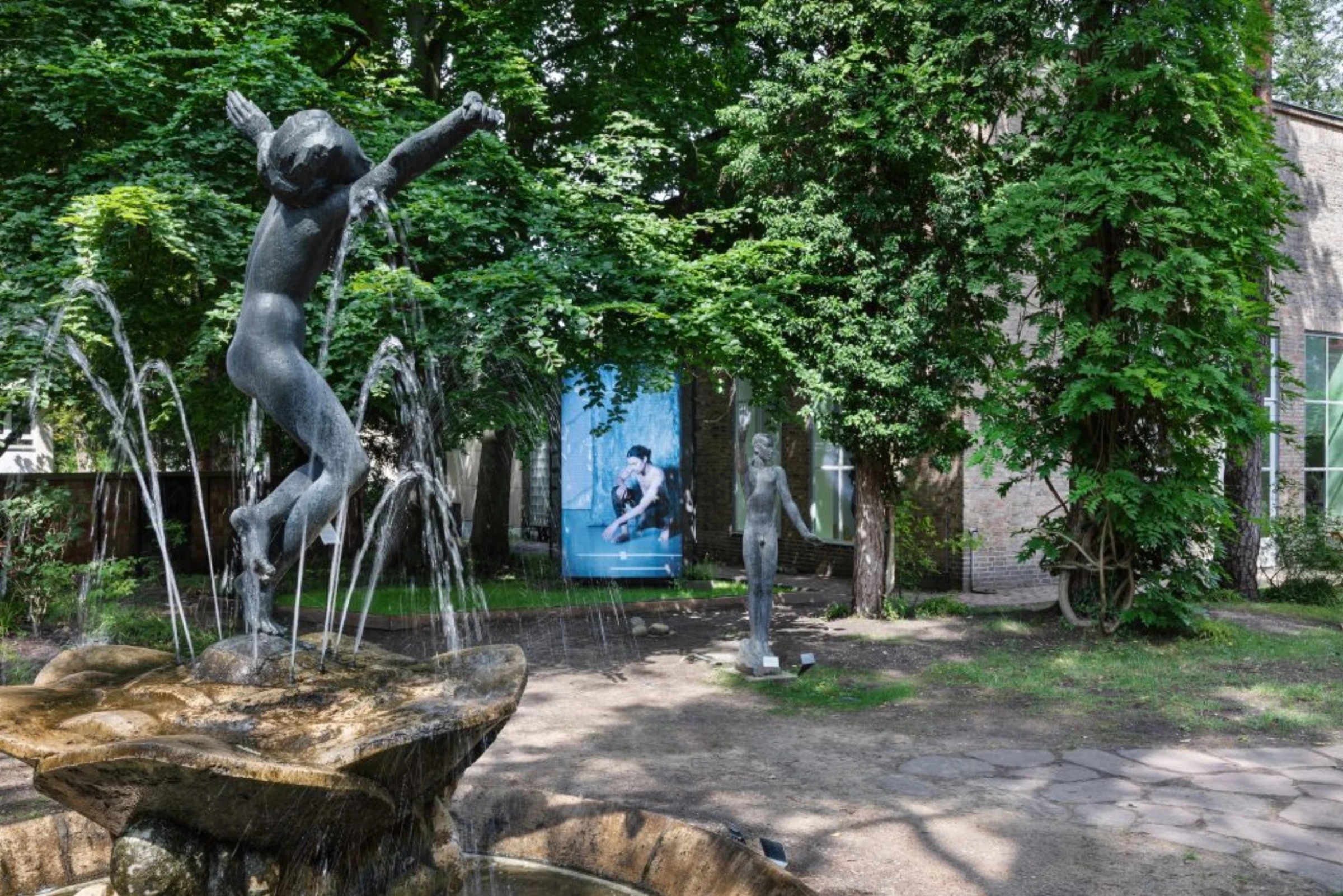
Georg Kolbe’s Tänzerinnen-Brunnen, or Dancer’s Fountain, sold in Berlin for €4 million with fees, setting a new auction record for the artist. On the market level that is notable. On the ethical level it is far more consequential. As The Art Newspaper reported, the sale came only after the Georg Kolbe Museum restituted the work to the heirs of Heinrich Stahl, the Jewish collector and insurance broker who commissioned the fountain in 1922 and whose estate was later coerced under Nazi persecution. The order of events is the story. Research first. Restitution second. Auction third. That sequence turns what could have been a market curiosity into a test of whether museums are willing to let provenance work alter ownership in the real world.
The museum’s own restitution statement makes the point with unusual clarity, acknowledging that the return cannot undo the injustice done to the family but remains a necessary gesture of recognition toward the descendants. That matters because museums often speak about difficult history in abstract educational terms while resisting the concrete consequences such history may require. Here the institution did the harder thing. It investigated the work already in its collection, discovered that previous assumptions about the legal status were not enough, reconnected with the broader family, and accepted that the result might be a permanent loss from the museum.
That is what serious provenance practice looks like. It is not a commemorative panel attached to a settled object. It is a willingness to discover that the object is not settled at all. The €4 million hammer total reflects market appetite, but it also reflects the fact that the work’s legal and moral status had finally been clarified in public. The museum’s research made the sale possible by first making ownership legible.
The Heinrich Stahl story exposes how incomplete restitution narratives can be
According to The Art Newspaper, the Georg Kolbe Museum began a dedicated research project in 2024 into the fountain, which had been in the museum’s collection since the 1970s. The inquiry led staff back to the family of Heinrich and Jenny Stahl. Their history is grimly familiar in structure and devastating in detail. Heinrich was a prominent member of Berlin’s Jewish community who remained in the city while using his contacts to help others emigrate. He was later forced to liquidate his estate below value, including the fountain, before he and Jenny were deported to Theresienstadt in 1942. Heinrich died there. Jenny survived and eventually reunited with their son Bruno in the United States.
What makes this case especially instructive is the museum’s discovery that a 2001 legal contact with a representative of the family had been treated, wrongly, as though it closed the matter. The representative had waived restitution and asked instead for a commemorative plaque. Director Kathleen Reinhardt later noted that the plaque was not even in place when she revisited the work’s history. During the new research, it became clear that the old waiver did not reflect the views of the wider family. That detail should unsettle any institution tempted to treat earlier paperwork as final moral absolution. Restitution cases are often messy because families are dispersed, archives are incomplete, and past decisions may have been made under limited information or by partial representatives.
This is why the Georg Kolbe case deserves attention beyond Germany. It demonstrates that museums cannot rely on inherited legal tidiness when the underlying history remains ethically unstable. A file marked resolved may only mean a museum stopped looking. Here, renewed looking changed the outcome entirely. The object moved from educational display to returned property, and then from returned property to a sale on terms chosen by the heirs.
The work itself complicates any easy celebration
The fountain is not a neutral object redeemed by correct paperwork. The museum’s restitution page and research project emphasize a second layer of difficulty: the sculpture’s imagery. The work places a white female dancer above three Black male supporting figures and, as the museum notes, reflects Kolbe’s reliance on colonial representational conventions and hierarchies. In other words, the piece condenses at least two difficult histories at once: the anti-Jewish expropriation inflicted on the Stahl family and the racialized visual language embedded in the object’s form.
That complication is precisely why the museum’s larger project matters. The institution did not simply return the object and move on. It built a public research framework around the fountain’s history, commissioned a video work by David Hartt, and connected the case to broader questions about colonial image regimes, memory, and curatorial responsibility. None of this neutralizes the sculpture. It does something better. It refuses to pretend that provenance repair automatically produces aesthetic innocence. Some works remain troubling even after ownership is corrected.
That distinction matters for museums everywhere. Too often restitution is narrated as a cleansing mechanism, as if once an object is returned or a settlement is reached the institution can resume admiration without friction. The Georg Kolbe Museum has instead treated the fountain as a site of layered entanglement. The heirs were owed ownership. The public was owed explanation. The object was owed scrutiny rather than reverence. That is a more adult model of museum ethics than the familiar script of discovery, apology, and closure.
The sale also reveals how the market benefits from institutional truth-telling
A cynic could say that museums do the difficult moral work and the market later monetizes the result. There is some truth in that. Villa Grisebach was able to present the fountain as a major rediscovered and restituted work with clarified title, and the resulting price shattered Kolbe’s previous record. But that does not make the restitution any less necessary. It clarifies the relation between museum research and market value. Once provenance is established honestly, the market may well assign a premium to the object’s visibility, rarity, and narrative intensity. That premium belongs to the heirs, not to the institution that benefited from decades of possession.
The sale should therefore be read less as a contradiction of museum ethics than as one of its consequences. The Georg Kolbe Museum states plainly that, given its limited financial resources and lack of acquisition budget, it was unlikely to compete successfully at auction after unsuccessfully exploring third-party funding. That is disappointing from the standpoint of public access, but it is also honest. A museum cannot claim moral seriousness only when the right outcome is financially convenient. In some cases the just result is that an object leaves the institution.
That may sound harsh, yet it is healthier than the alternative. When museums quietly resist restitution because they fear losing star objects, they announce that collection prestige outweighs historical accountability. This case cuts the other way. The institution accepted loss and, by doing so, strengthened its credibility. It may no longer own the fountain, but it now owns a more persuasive ethical record.
Why this matters now for provenance work across Europe and the United States
Restitution conversations have become more visible in recent years, but visibility is not the same as rigor. Many institutions now speak fluently about provenance while moving slowly, revealing little, or limiting the scope of what they investigate. The Georg Kolbe case shows a more exacting standard: proactive research into one’s own collection, public acknowledgement of contradictory histories, renewed contact with heirs, and acceptance that legal formality does not settle moral substance. That standard should travel.
It also sharpens the questions collectors, museums, and auction houses must ask when Nazi-era or colonial-era works surface. What earlier claims were overlooked? Who counted as the family in previous negotiations? What institutional assumptions were treated as facts? And what kinds of interpretive labor remain necessary even after ownership is resolved? Readers who followed our guide to reading provenance claims in real time will recognize the pattern: the most important cases are rarely about a single document. They are about whether institutions keep digging once the story becomes awkward.
The Kolbe result is significant precisely because it remained awkward all the way through. A museum lost a major work. A family regained agency. An object with racist iconography reentered the market. A public institution used scholarship to dismantle its own possession claim. There is nothing neat about that. There is, however, something credible. In a field that too often mistakes managed messaging for accountability, this case shows what accountability looks like when it is allowed to cost something.
That credibility may end up being the case’s most durable institutional asset. Long after the auction headline fades, what will matter is that the museum produced a record other institutions can be judged against. It published the difficulty instead of filing it away, accepted that earlier handling had been insufficient, and treated research as a mechanism that could reorder ownership rather than simply deepen interpretation. For museums sitting on works with clouded wartime histories, that example is uncomfortable in the right way. It says the ethical horizon is not remembrance alone. It is action, even when the action reduces the collection.
That is why this sale should be read as a museum story first and a market story second. The money is dramatic, but the method is the real headline. Provenance research mattered because it changed custody, changed public understanding, and forced a major institution to accept that the honorable outcome was not retention. More museums should be judged by whether their scholarship is brave enough to do the same.