New Zealand Returns to Venice With Fiona Pardington’s Monumental Bird Portraits
Fiona Pardington’s pavilion project centers endangered and extinct birds as carriers of memory, ecology and Māori cosmology.
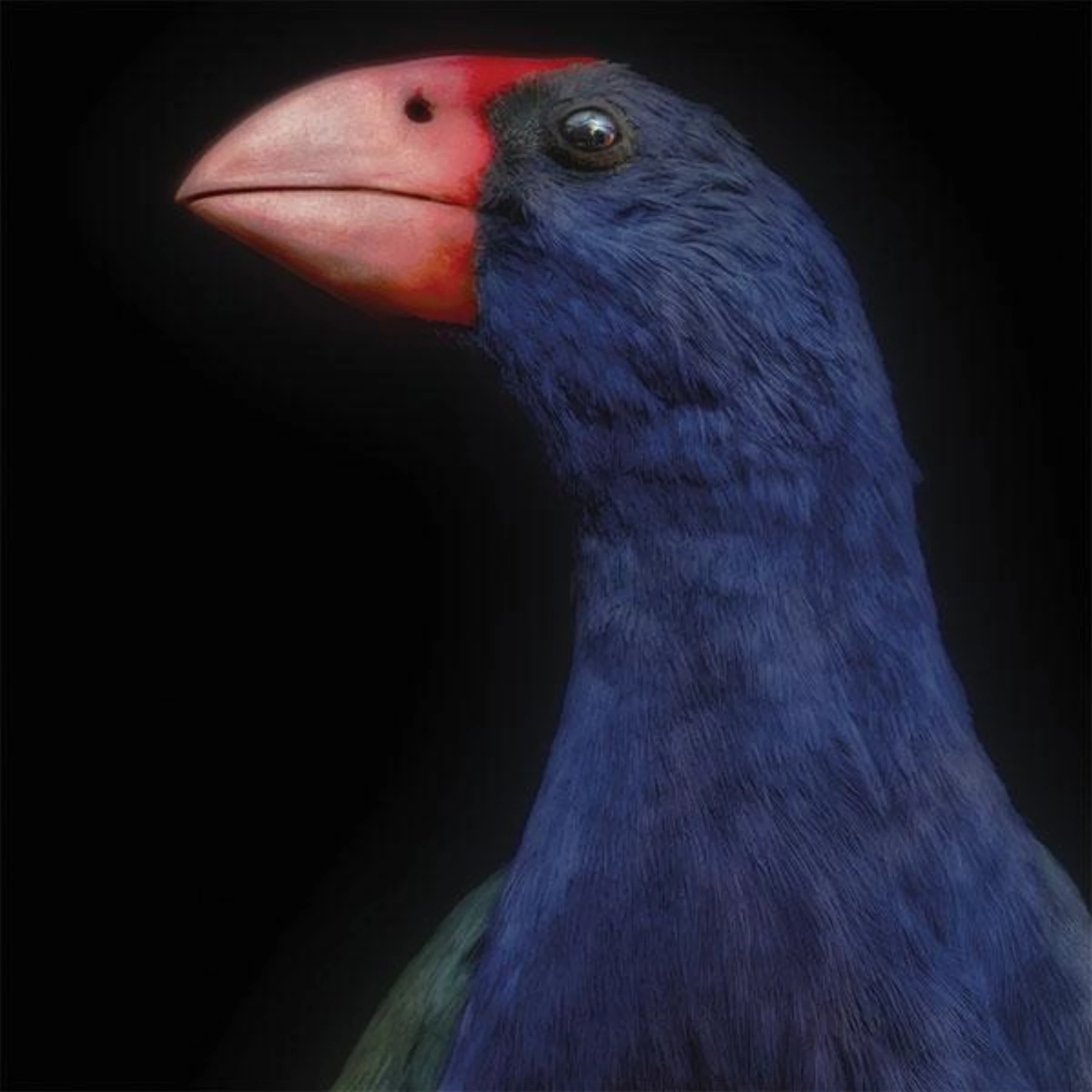
New Zealand returns to the Venice Biennale with Fiona Pardington’s Taharaki Skyside, a national pavilion that treats endangered and extinct birds as carriers of cultural memory rather than museum specimens. After an absence in 2024, the country’s re-entry is focused and disciplined.
Pardington, who is of Māori and Scottish descent, extends a long-running photographic practice centered on objects with mana. In Venice she presents seventeen large portraits of birds, including the whēkau and the kākāpō, creating a field of encounter that is ecological, historical and spiritual at once.
The pavilion’s strength is conceptual precision. Instead of using biodiversity collapse as a generalized moral backdrop, Pardington grounds the work in local species histories and in Māori knowledge frameworks. That specificity allows the project to avoid the abstract environmental rhetoric that often dilutes biennial work.
Within the wider 2026 exhibition ecosystem at <a href='https://www.labiennale.org' target='_blank' rel='noopener'>La Biennale di Venezia, this presentation demonstrates how a smaller pavilion can cut through by committing to one argument and executing it at full formal intensity.
Curatorially, the project shows the value of scope control. Rather than assemble multiple artists around a broad policy theme, the New Zealand team lets one artist’s method organize the pavilion from image scale to narrative tempo. The result is cohesive without becoming didactic.
For collectors, Pardington’s work is also a reminder that contemporary photography can operate as a sculptural and philosophical medium. These images do not function as documentation. They function as presences, demanding time, distance shifts and repeated looking.
Institutionally, the pavilion aligns with a larger shift toward culturally grounded interpretation of natural archives. Taxidermy here is not a neutral scientific inheritance. It is recoded as a site where colonial collection histories, conservation policy and indigenous cosmology intersect.
The location amplifies this reading. Venice is a city staged through heritage economies and visual tourism. By placing threatened species at monumental scale within that setting, Pardington redirects attention from spectacle consumption to obligations of care and continuity.
For curators and funders evaluating impact, this is a model worth noting: choose a thesis that can withstand close reading, build exhibition form around that thesis, and resist the pressure to over-program. New Zealand’s pavilion suggests that coherence can be a stronger signal than range.
As biennials increasingly compete on noise, this project argues for calibration. It asks viewers to listen to fragile histories and to recognize that cultural diplomacy can still produce serious intellectual work when it is not reduced to national branding.