Refik Anadol’s Dataland Opens in Los Angeles as AI Art Tries to Build Institutional Legitimacy
Dataland opens June 20 in downtown Los Angeles with an inaugural exhibition built on ecological datasets, marking a high-stakes test for AI art’s museum ambitions.
Los Angeles gets a new player in the institutional race for digital culture on June 20, when Dataland opens to the public inside the Frank Gehry-designed Grand LA complex. Founded by Refik Anadol and cultural researcher Efsun Erkiliç, the venue arrives with a clear claim: AI-generated work is not a novelty category but a collecting field with its own archive, infrastructure, and public pedagogy. The opening matters because many museums have shown AI projects as temporary spectacle, while very few have committed floor space, curatorial framework, and long-term maintenance planning to the medium.
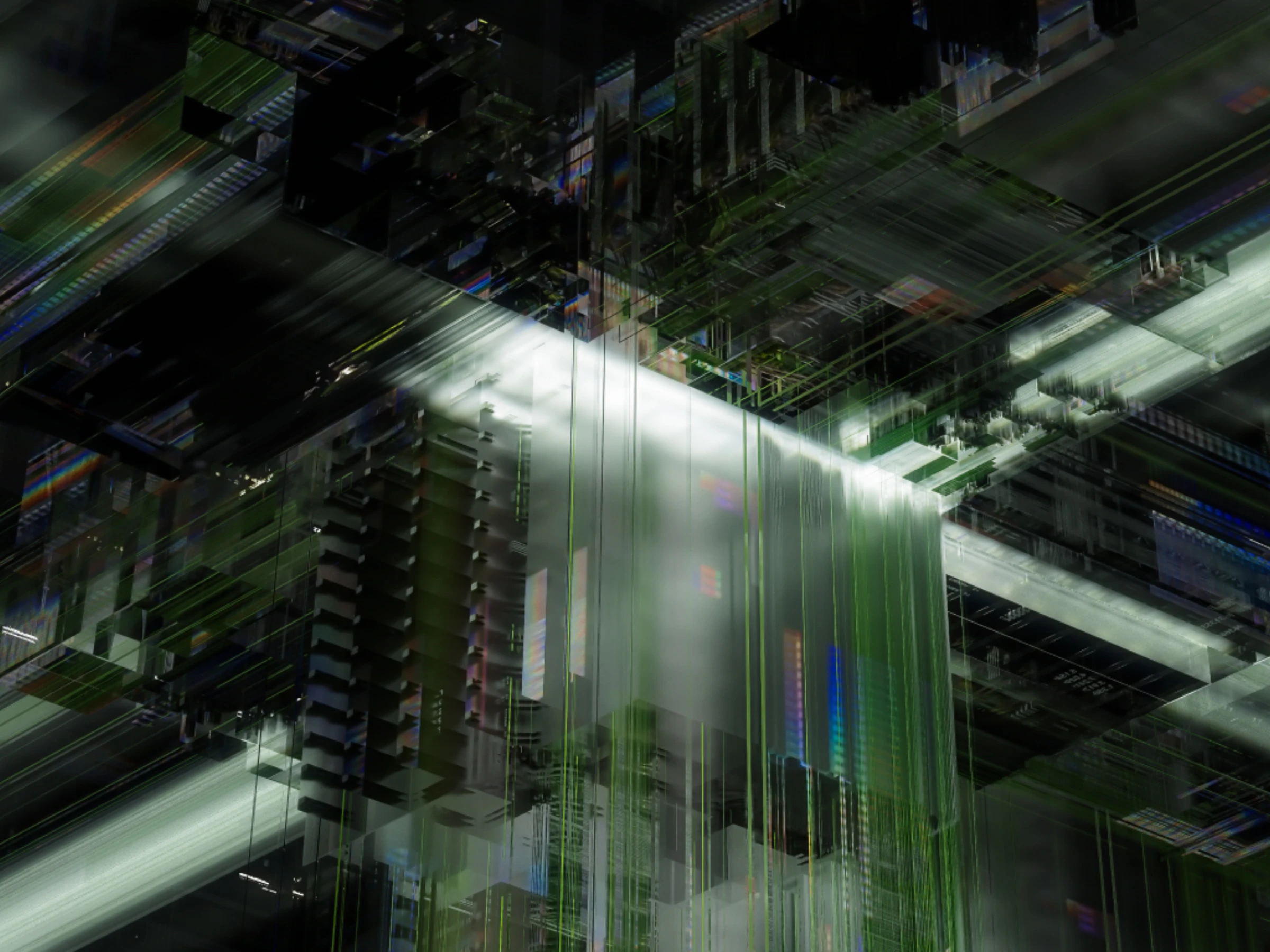
The inaugural exhibition, Machine Dreams: Rainforest, is framed as an immersive environment built from ecological data and machine learning systems developed by Anadol Studio. Dataland says it will operate five galleries and a large technical zone dedicated to the institution’s data and compute backbone. That hardware commitment is not a side detail. In time-based and computational art, institutions fail when they treat servers, software versions, and storage as external to conservation. Dataland is signaling that technical operations and curatorial operations are the same question.
Its public positioning also attempts to answer a criticism that has followed AI art since the market boom of the early 2020s: opacity around training sources, authorship boundaries, and labor. Anadol has stated that disclosure of data provenance is a responsibility, not a branding choice. If Dataland is serious about becoming a repository for nature-focused datasets and AI artworks, then transparency standards will determine whether it earns trust from artists, researchers, and museums that might one day lend or co-produce work. Without auditable data lineage, institutional partnerships will remain cautious.
The opening comes as major museums continue to test how digital-native practices fit inside established departments. Institutions such as LACMA and the Museum of Modern Art have expanded their engagement with media art, but most still fold AI into broader new-media programming rather than giving it dedicated architectural identity. Dataland’s bet is the opposite: build a venue where AI is the organizing principle, then prove curatorial seriousness through repeat visits, not one-off headlines.
Collectors should watch three operational signals over the first year. First, whether works are editioned with clear technical documentation, including model dependency, update policy, and migration protocols. Second, whether the institution publishes conservation notes that distinguish between a fixed artwork state and a live generative system. Third, whether Dataland can establish a peer network with museums, universities, and archives rather than functioning as a closed proprietary environment. The strongest digital institutions make standards portable across sites, which is how works survive beyond a founding team.
For artists and curators, Dataland’s opening sharpens a larger question: can AI art move from event culture to institutional culture without flattening artistic difference? Immersion alone is not enough. The field now needs rigorous commissioning, critical writing, and conservation frameworks that can handle works that are computationally complex but conceptually precise. If Dataland delivers on those fronts, Los Angeles gains more than a new attraction, it gains a test case for how algorithmic art might be stewarded over decades. If it does not, the project will be remembered as another high-production proof of concept that never became an institution.