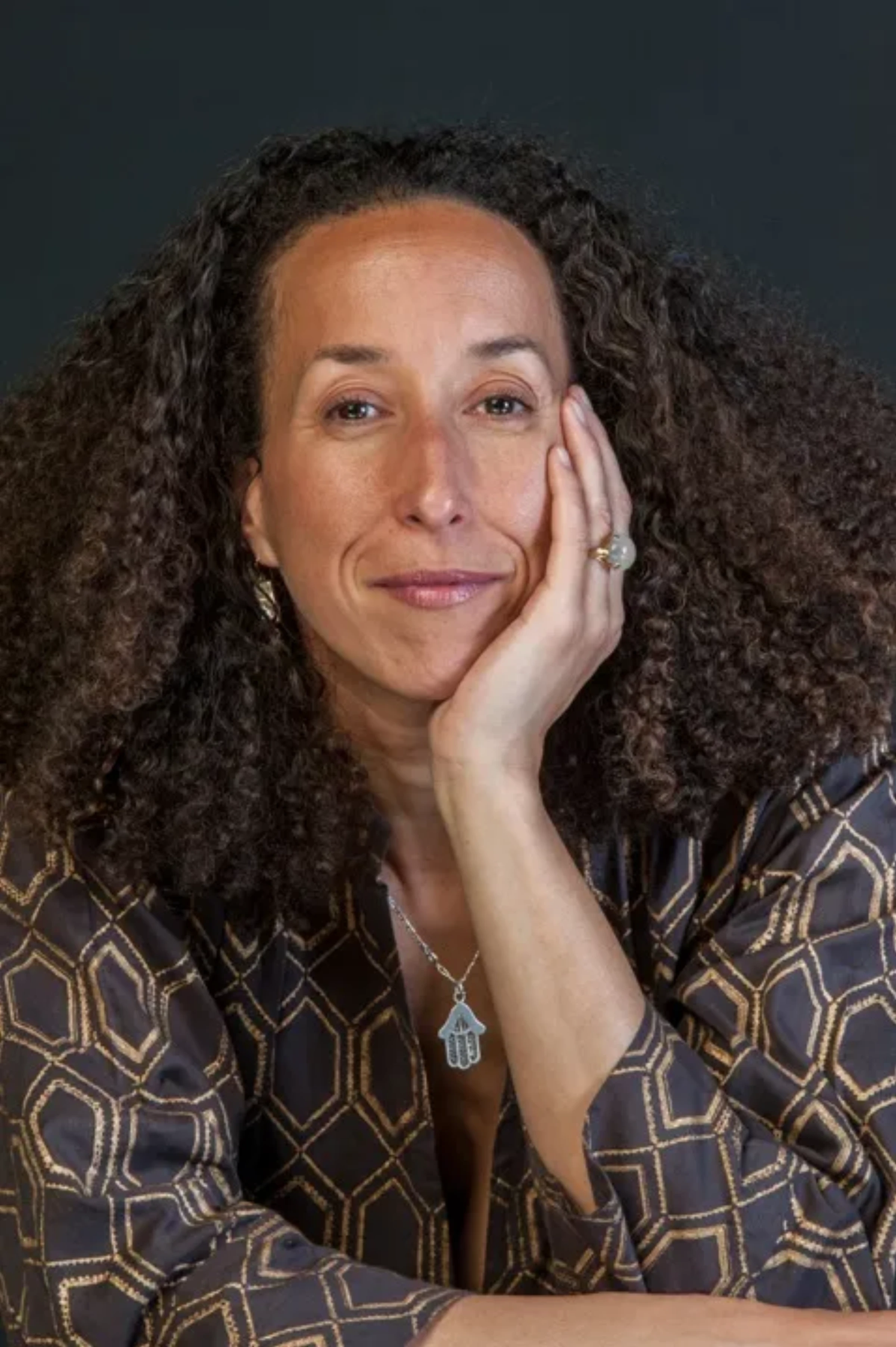
Cheryl Finley Wins the 2026 Driskell Prize
High Museum's Driskell Prize goes to Cheryl Finley, honoring a scholar whose work has shaped Black art history and Atlanta's curatorial pipeline at once
The High Museum just rewarded infrastructure, not only prestige
The 2026 David C. Driskell Prize has gone to Cheryl Finley, the Spelman College professor, curator, and builder of institutional pathways whose work has reshaped how African American art is studied and taught. On paper, the announcement is straightforward: the High Museum of Art will award Finley an unrestricted $50,000 prize at a September gala. In practice, the choice says something sharper about where cultural authority is being recognized. Finley is not simply a scholar who published well, nor merely a curator with impressive credits. She is a figure whose significance lies in the overlap between research, pedagogy, and pipeline-building. That makes her an unusually strong match for a prize named after David C. Driskell, whose own legacy joined scholarship, advocacy, and institution making.
Art prizes often drift toward reputational shorthand. Museums honor the already canonized, then describe the decision as if it were an intervention. The Driskell Prize has sometimes avoided that trap by focusing on influence across the field of African American art rather than celebrity alone, and Finley fits that better standard. She teaches at Spelman College, where she is the Walton Endowed Professor in the Department of Art and Visual Culture, and since 2019 she has directed the Atlanta University Center Art History + Curatorial Studies Collective. That collective matters because it is not symbolic outreach. It is structural work: creating access points, mentorship, and professional formation for emerging Black curators, scholars, and arts workers within the largest consortium of historically Black colleges and universities in the United States.
Finley's importance lies in how she joins scholarship to field building
That institutional labor is one reason the award feels earned rather than dutiful. Finley has long operated in multiple registers at once. She co-organized Black Portraiture[s], the ongoing conference platform that has become one of the major international convenings for thinking about African diasporic art and visual culture. She has written across scholarly and public formats. She has also curated ambitious projects, including the traveling exhibition People Who Make the World Go ’Round: The Legacy of Sepia Magazine and, with Deborah Willis, Free as They Want to Be: Artists Committed to Memory. Taken together, that is not the profile of someone merely interpreting the field from a safe academic distance. It is the profile of someone helping to produce the field others now inhabit.
This distinction matters because museums still too often separate intellectual work from operational change. They celebrate scholarship in catalogues, diversity in strategic plans, and training in fellowship language, but the machinery connecting those domains is frequently weak. Finley's career has been unusually strong precisely where the sector is often thin. She has helped make Black art history legible not just as a subject of study but as a professional ecosystem requiring sustained institutional commitment. The High's citation for her work emphasizes the next generation of visual arts leaders across Atlanta's HBCU landscape, and that local emphasis is important. Atlanta is not simply a backdrop here. It is part of the argument.
The High Museum has spent years using the Driskell Prize to position itself within broader conversations about African American art, and that strategy carries both opportunities and obligations. Awards can function as civic theater, especially when they allow institutions to borrow authority from the people they honor. The challenge for the High is to ensure the prize remains more than that. Honoring Finley creates a useful pressure point. If the museum truly values the kind of ecosystem she has built, it should strengthen its own commitments to collaboration, research access, and curatorial development beyond a single gala cycle.
Why this award lands differently in Atlanta
Atlanta gives the announcement a specificity many museum prizes lack. Finley's work at Spelman and the AUC Collective is tied to a city where Black educational institutions, cultural memory, philanthropy, and museum ambition intersect in unusually visible ways. The High is not honoring an abstract national figure dropped in from elsewhere. It is acknowledging a scholar whose labor has helped shape the city's own intellectual and curatorial landscape. That local dimension sharpens the award. It suggests the museum understands that influence is not only measured by global circulation, auction value, or social media familiarity. Sometimes it is measured by who gets trained, who gets brought into the room, and who has enough support to stay in the field long enough to matter.
There is also a corrective dimension. Black art history has been institutionalized unevenly, often through blockbuster exhibitions and celebratory moments that do not always translate into durable hiring, acquisition, or curricular change. Finley's body of work insists on durability. It is about archives, pedagogy, collaboration, and sustained discourse. Readers who saw our recent coverage of VMFA's major photography gift will recognize a related lesson: institutions become more serious when they invest in the conditions that make knowledge possible, not only in the objects or headlines that flatter them.
The list of prior Driskell Prize recipients, from Amy Sherald to Huey Copeland and Rashid Johnson, shows the award's broad understanding of contribution. Finley extends that history in a productive way because she is not being honored for a single market-visible breakthrough. She is being recognized for sustained, compound influence. That can make for less instantly glamorous press copy, but it makes for a better prize culture.
What should happen after the gala
The September gala will generate the standard language of celebration, but the more important question is what kinds of follow-through the award can animate. Will the High deepen partnerships with Atlanta's HBCU institutions? Will the prize create public programming, archives access, student opportunities, or curatorial collaborations that outlast the event? Museums love attaching themselves to moral seriousness, and prizes are one of the easiest ways to do it. The harder move is to let the honoree's work alter institutional behavior.
Finley's prize also underscores a shift in how museums talk about expertise. For years, the field often treated scholarly authority and curatorial authority as adjacent but distinct spheres, with one housed in universities and the other in museums. Finley's career demonstrates how artificial that split can be. Building a conference platform, training students, producing criticism, and curating exhibitions all contribute to the same ecosystem of interpretation. The field of African American art has been especially shaped by people willing to move between those spaces because the institutions themselves were not always built to support the work adequately. Honoring Finley is therefore a way of acknowledging labor that conventional museum metrics do not always capture, including advising, connecting, convening, and sustaining discourse across organizations.
There is an Atlanta lesson here as well. Cities often brag about cultural capital while underinvesting in the people who generate it. Finley's role in the AUC Collective shows what happens when intellectual and curatorial formation are treated as strategic civic work rather than extracurricular enrichment. Students gain routes into museums, museums gain sharper interlocutors, and the broader public gains a more serious conversation about Black art history. If the High wants this award to resonate beyond one announcement cycle, it should make the surrounding ecology more visible too: the classrooms, archives, partnerships, and mentorship structures that help produce the next generation. Prizes are easy to photograph. Pipelines are harder to stage, but they are where the future actually gets built.
That is why Finley's recognition feels more substantial than a routine honor roll update. It suggests that a museum can still use an award to value field-shaping work rather than merely reflect consensus prestige. The strongest version of the Driskell Prize is not one that confirms who is already famous. It is one that clarifies what kinds of intellectual and institutional labor the field should treat as indispensable. On that measure, this year's choice is unusually clear.
It is also worth noticing what the award refuses to prioritize. Finley is not being honored because she fits neatly into a museum narrative about discovery, celebrity, or institutional rescue. She is being honored because she has done the slower work of making Black art history more teachable, more discussable, and more professionally inhabitable for others. In a sector addicted to singular stars and quick reputational wins, that emphasis feels almost corrective. The prize recognizes that culture is built not only by the people who hang on the wall, but by the people who create the frameworks through which those walls can be understood.
Seen that way, the announcement is not just a tribute to one impressive career. It is a small argument about what museums should learn to value publicly. If prizes continue to reward the people who expand the field's capacity to think, teach, and organize itself, they can still matter. If they drift back toward prestige maintenance, they become decorative. Finley's selection keeps the award on the stronger side of that line because it recognizes a body of work whose influence has been cumulative, infrastructural, and unmistakably real.
Finley's selection gives the High a strong chance to do exactly that. It also gives the rest of the field a reminder that influence in art history does not belong solely to museum directors, auction stars, or blue-chip artists. Sometimes the people most worth honoring are the ones who build the routes others travel. That is the real force of this year's Driskell Prize. It rewards not just distinction, but infrastructure with a mind behind it.