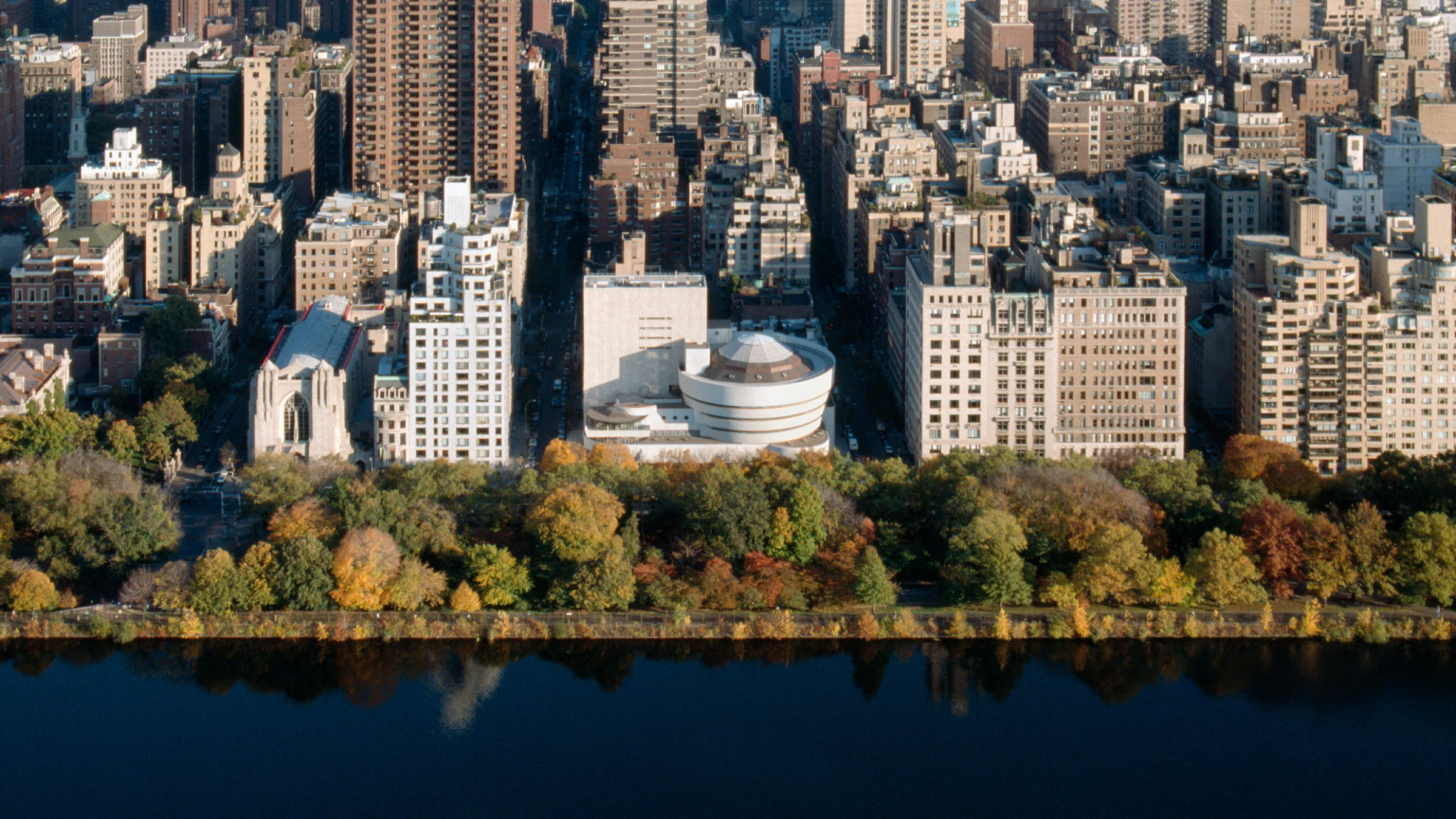
Chanel and Guggenheim Launch a New Cross-Atlantic Curatorial Fellowship
A new annual fellowship will place one MA or PhD researcher across Guggenheim sites in New York and Venice.
The Guggenheim and Chanel have announced an annual one-year fellowship that will place a researcher across New York and Venice beginning in fall 2026. Positioned at MA and PhD level, the program is aimed at collection studies and curatorial research.
At first glance this looks like a routine sponsorship expansion. It is more consequential than that. Fellowship design has become one of the main levers through which institutions and private funders shape curatorial pipelines, research agendas and, eventually, exhibition narratives.
The institutional architecture matters. The fellow will move between <a href='https://www.guggenheim.org' target='_blank' rel='noopener'>the Solomon R. Guggenheim Foundation and the <a href='https://www.guggenheim-venice.it/en/' target='_blank' rel='noopener'>Peggy Guggenheim Collection, a structure that can produce comparative scholarship rather than single-site interpretation.
For emerging curators, that circulation is not cosmetic. Access to two archives, two publics and two institutional rhythms can sharpen research questions around modernism, postwar exchange and transatlantic collection histories.
For Chanel’s <a href='https://www.chanel.com/us/fashion/chanel-culture-fund/' target='_blank' rel='noopener'>Culture Fund, the program continues a broader move from event sponsorship toward knowledge infrastructure. Supporting people, not just programs, creates longer institutional memory and stronger reputational durability.
For museums, partnerships like this are attractive because they can underwrite training and research costs that operating budgets rarely absorb fully. The risk, as always, is mission drift if donor visibility becomes the implicit metric of success.
That is why governance detail will determine whether this fellowship becomes a real model. Selection criteria, reviewer composition, publication obligations and post-fellowship tracking should be transparent from cohort one. Without those mechanics, announcements remain branding cycles.
Curators and collectors should watch outputs, not language. Does the fellow publish work that enters public discourse. Does research inform exhibitions, acquisitions or interpretation strategy. Are findings accessible or internally siloed. These questions separate capacity building from prestige signaling.
The Guggenheim already operates robust fellowship systems, so integration quality will matter as much as funding scale. If the new program complements existing pathways without duplicating them, it could expand opportunity while strengthening institutional coherence.
In a period when museums face financial pressure and curatorial labor is increasingly precarious, targeted fellowships can still create durable value. The Chanel-Guggenheim initiative will be judged by whether it produces new knowledge with public life, not by the visibility of its launch.