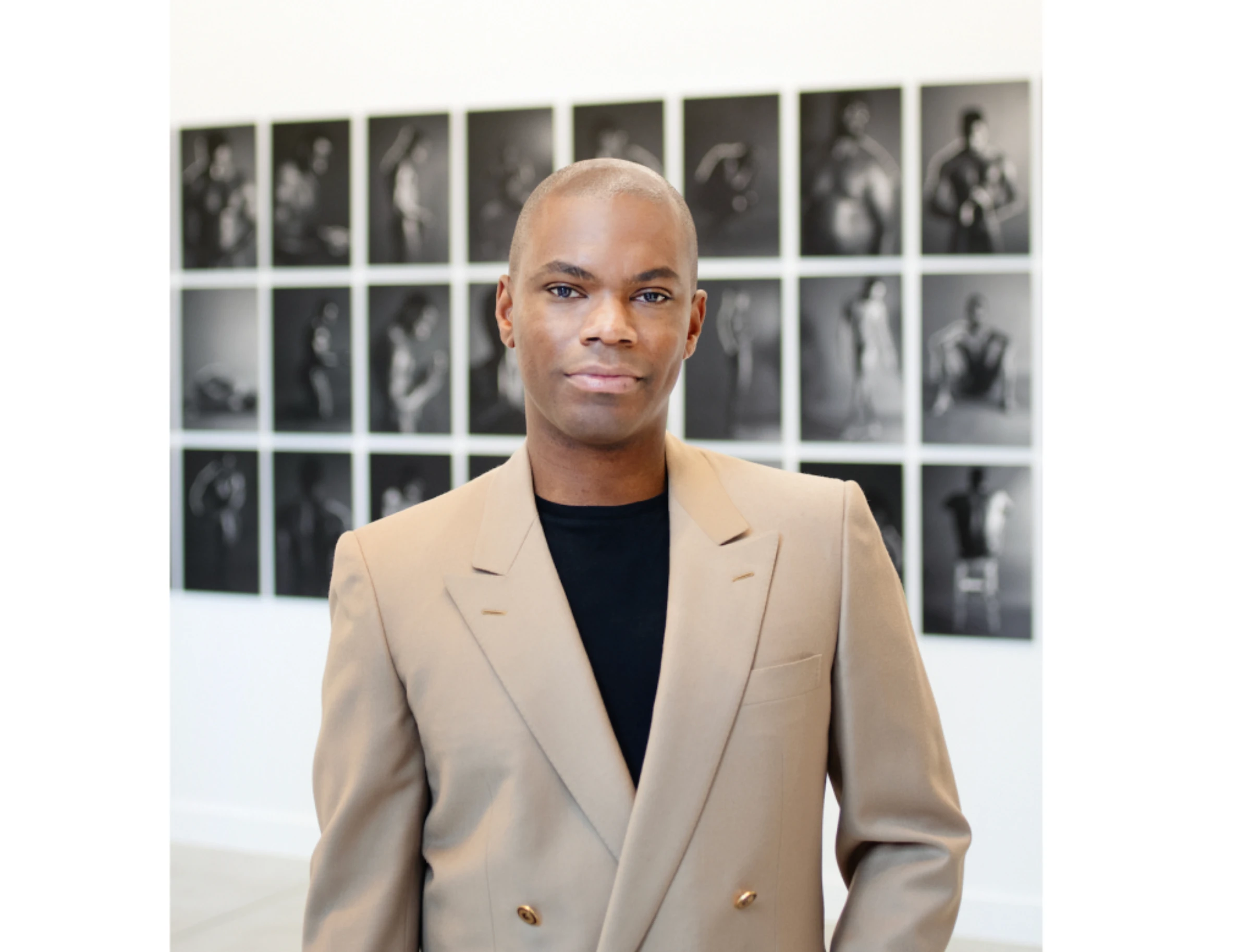
SF Dealer Carver Moore Accused of Nonpayment
Nine artists and dealers say Jonathan Carver Moore owes thousands and withheld artworks, prompting a group demand letter in August 2026
What Happened
Jonathan Carver Moore, who opened his gallery on the edge of San Francisco's Tenderloin neighborhood in 2023 after cashing in his own retirement account, has been accused by artists, collectors, and dealers of chronic nonpayment and withholding artworks. Nine artists and gallery representatives told the San Francisco Standard that they have thousands of dollars outstanding from the dealer or that he has not returned their work despite numerous requests. Seven artists wrote to Moore jointly in August 2026, demanding payment and the return of unsold work in a letter reviewed by the publication.
Moore has built his gallery's identity around representing Black, female, queer, and Indigenous artists, and hosts a residency program next door to the gallery. He has exhibited at the Atlanta Art Fair, the High Desert Art Fair in California, the 1:54 fair for African art, and FOG Design + Art in San Francisco. His gallery appeared to thrive even as established spaces like Altman Siegel closed. As of August 2026, the website for Moore's gallery was not functional.
The accusations against Moore arrive at a time when the gallery system is under heightened scrutiny for its financial practices. Several recent scandals have exposed the vulnerability of artists who entrust their work to dealers without adequate contracts or payment timelines. The Moore case is particularly charged because his gallery's mission centers on supporting underrepresented artists, the very people who often lack the resources to pursue legal remedies when payments go missing.
The Scope of the Allegations
Artist Demond Melancon says Moore owes him roughly $70,000 from art sales at Expo Chicago in April 2026. On preview day at the fair, Moore had told ARTnews he sold a number of Melancon's works as well as pieces by Adrian Burrell. An art handling company that installed work at the fair says its bill remains outstanding. Artist April Bey posted to Instagram on August 4, calling on the dealer to respond and either pay artists or return their work. She said he was holding two artworks cumulatively worth $68,000. Bey deleted the post when Moore returned one and paid her for the other.
Adana Tillman said on Instagram that Moore was delinquent in paying her for nine artworks. The group letter to Moore read in part: "It is already difficult to navigate the art world under the best of circumstances. To experience this treatment from a Black-owned gallery that publicly states its mission is to amplify the voices of underrepresented artists, including BIPOC, LGBTQ+, and women artists, is not only inconsistent with that stated mission, it's a serious breach of the trust we placed in you."
Bahamas artist Cydne Jasmin Coleby says Moore acquired a painting of hers from Nassau's TERN Gallery but never paid the $7,000 invoice. The gallery has reported the painting as stolen to the FBI. Chicago collector Kevin Poorman paid $8,800 for a Melancon piece and was told it could not be delivered until after a museum exhibition, one he later learned had been canceled months earlier. Poorman has been unable to contact Moore.
How the Gallery Operated
Oakland artist Chantal Hildebrand told the Standard she waited months for payments that sometimes arrived late or short, if they arrived at all. She says Moore offered a collector a discount without her consent and that a first-time collector told her he had paid a deposit but never received her work. Hildebrand contacted 20 artists, 11 of whom described unanswered calls, delayed texts, or total silence from the dealer. Some reported difficulties having artwork returned, some reported delayed payment, and some said the galleries that represented them had been left in the lurch after doing business with Moore.
Moore's rise in the San Francisco art scene was rapid. He cashed out his 401k to launch the gallery, positioned it in the Tenderloin when other neighborhoods were more conventional choices for commercial art spaces, and quickly secured invitations to major fairs. His focus on artists of color, queer artists, and women artists filled a gap in a gallery landscape that had historically prioritized white, male, and establishment figures. The January 2026 ARTnews profile of Moore portrayed him as a dealer building the art world he wanted to walk into. The contrast between that narrative and the current allegations is stark, and it raises questions about how the art world evaluates and celebrates galleries before their financial practices have been tested over time.
Moore's Response and the Bigger Picture
Moore acknowledged the financial strain in an email to ARTnews. "The gallery is not a standard gallery," he wrote. "It came out of a place of love. I did not come from the art world. I cashed out my 401k to start a space for artists of color, queer artists, and women artists." He cited the delay in receiving payments from collectors and institutions as a factor that impacts artists, general overhead, rent, deposits for art fairs, and other operations. "I care so much about the arts community and will continue to learn the business and make things right," he concluded.
Moore told the Standard that some of the allegations are inaccurate and that he deeply cares about the art community, artists, and collectors. The joint letter from seven artists has not been followed by public legal action, but the FBI report from TERN Gallery and the scale of outstanding debts suggest further consequences are possible. The art world has seen similar cases where nonpayment scandals led to gallery closures and lawsuits.
The allegations against Moore highlight a structural vulnerability in the gallery system, particularly for small, mission-driven spaces. When galleries operate without sufficient capital reserves, delays in collector payments cascade directly to artists. The situation also underscores the power imbalance between dealers and the underrepresented artists they represent, who may be less likely to pursue legal remedies against a gallery that shares their identity or professed values. Mission-driven rhetoric does not exempt a gallery from the basic obligations of a fiduciary relationship. The broader question for the field is whether galleries need stronger financial safeguards, standardized contracts, and transparency requirements to protect the artists they represent, as discussions about artist gallery relationships have increasingly emphasized.
What Comes Next
For the artists owed money, the path forward may involve small claims court, mediation through arts organizations, or the kind of public pressure that April Bey's Instagram post demonstrated can yield results. Bey was paid and had her work returned after going public. Whether other artists will follow her approach or pursue quieter legal channels remains to be seen. The FBI's involvement, triggered by TERN Gallery's theft report, adds a criminal dimension that could escalate the situation beyond civil disputes.
The Moore case also raises questions about the role of art fairs in vetting their exhibitors. Expo Chicago, FOG Design + Art, and the 1:54 fair all hosted Moore's booth, lending him institutional credibility. Fair organizers typically conduct limited due diligence on exhibitor finances, relying on reputation and booth presentation. If artists at those fairs were not paid, the fairs themselves may face pressure to implement stronger financial safeguards for participating galleries, as the art world continues to grapple with the kind of accountability issues that have surfaced in other recent art world legal disputes.
The San Francisco art community has responded with a mix of anger and anguish. Moore was one of the few Black gallery owners in a city that has seen its arts ecosystem shrink under pressure from tech industry expansion, rising rents, and the closure of longstanding spaces. For artists who supported Moore's mission, the allegations carry a particular sting because they undermine a gallery that many saw as filling a genuine gap in the market. The disappointment is compounded by the fact that several of the affected artists are themselves from communities that the gallery claimed to champion, raising questions about whether mission-driven galleries can sustain their ethical commitments when financial pressures mount.
The case also highlights the absence of standardized payment protocols in the gallery system. Unlike the auction house sector, where transactions are governed by detailed terms and conditions, gallery sales often rely on informal agreements between dealers and artists. Payment timelines, commission structures, and responsibilities for shipping and insurance are frequently undocumented, leaving artists with limited recourse when a gallery fails to pay. The Moore allegations may accelerate calls for standardized gallery-artist contracts, a reform that arts organizations have advocated for years but that the gallery sector has largely resisted. In the absence of such contracts, artists are left to choose between public exposure, small claims court, or absorbing the loss, options that are particularly difficult for emerging artists who fear being labeled difficult for pursuing payment they are owed.
The outcome of the Moore case may also influence how collectors and institutions evaluate galleries that position themselves as mission-driven. The art world has historically extended goodwill to galleries representing underrepresented artists, sometimes overlooking operational shortcomings in service of a broader diversity agenda. The Moore allegations suggest that this goodwill should be paired with greater scrutiny of financial practices, particularly when artists from vulnerable communities are entrusting their work and their livelihoods to a dealer. The gap between a gallery's public mission and its private operations can be wide, and the artists who fall into that gap are the ones who bear the cost.