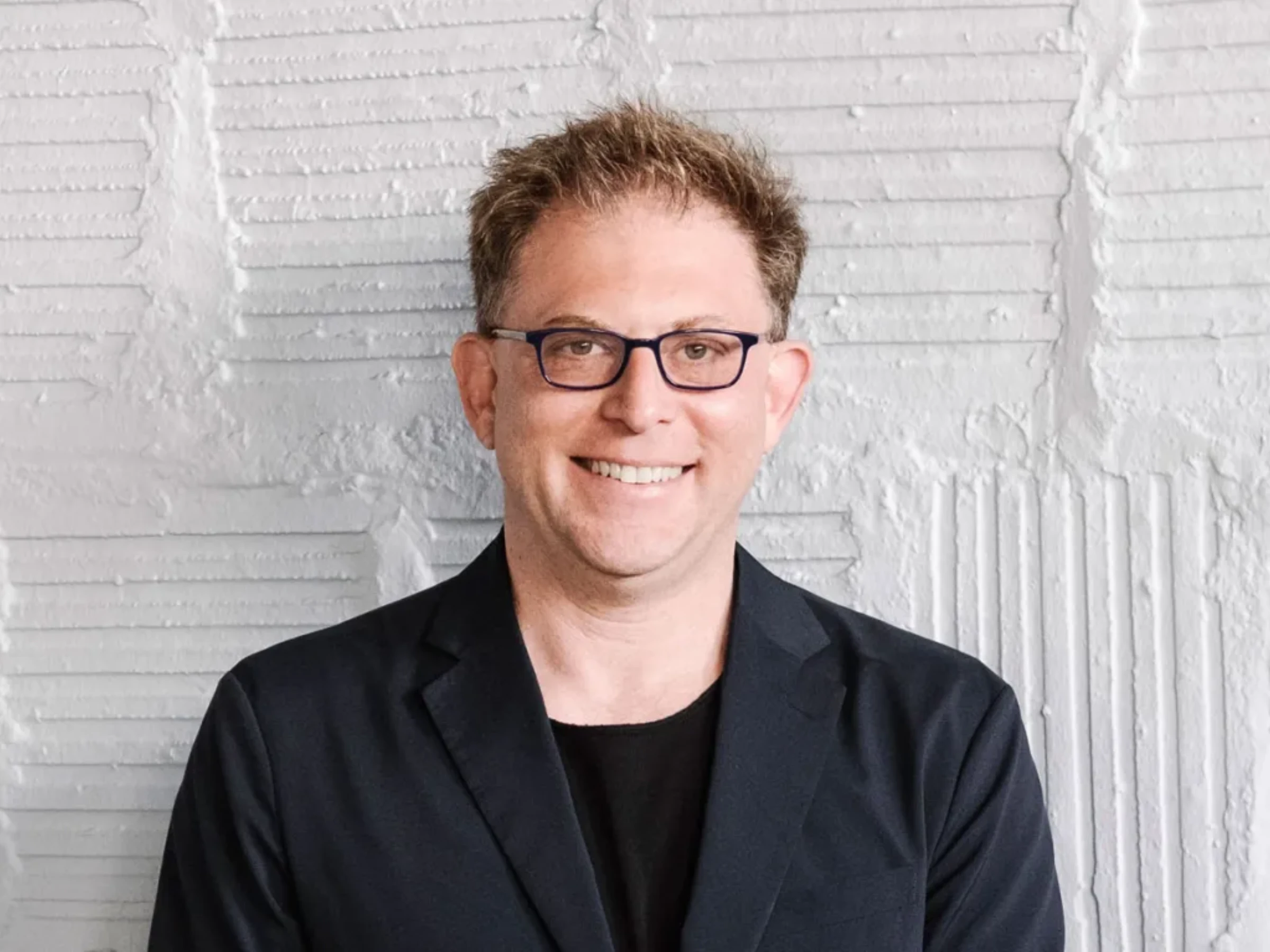
Brett Littman to Lead Museum of Contemporary Art San Diego
The former Noguchi Museum director will lead MCASD starting in October, succeeding Kathryn Kanjo after a six-month search
The Appointment
The Museum of Contemporary Art San Diego (MCASD) has named Brett Littman as its next director and chief executive. He will begin in the role in October, becoming the fifth director in the institution's 85-year history. Littman succeeds Kathryn Kanjo, who departed MCASD in January after 15 years to lead the newly merged UC Irvine Langson Orange County Museum of Art. The appointment follows a six-month national search conducted by the museum's board of trustees, which considered candidates from across the country before settling on Littman as the leader best suited to guide MCASD through its next chapter.
The announcement was made simultaneously by ARTnews and Artforum, reflecting the significance of the appointment within the broader museum world. Littman's selection places him at the helm of one of the most important contemporary art institutions on the West Coast, with a collection spanning more than 5,500 works and two campus locations in La Jolla and downtown San Diego. The museum's location on the Pacific coast, near the Mexican border, gives it a unique geographic and cultural position that has been increasingly central to its programming strategy in recent years.
Littman's Career and Prior Leadership
Littman brings substantial museum leadership experience to MCASD. From 2018 to 2023, he served as director of the Noguchi Museum in Long Island City, New York, where he oversaw exhibitions, collections management, and institutional development for the museum dedicated to the work of Japanese-American sculptor Isamu Noguchi. During his tenure, Littman organized exhibitions that expanded the understanding of Noguchi's practice beyond sculpture to include his work in landscape design, stage set design, and industrial design. He also led initiatives to strengthen the museum's digital presence and community engagement programs, recognizing that a single-artist museum cannot survive on scholarship alone but must connect its subject to contemporary concerns and audiences.
Before his time at the Noguchi Museum, Littman led the Drawing Center in New York from 2009 to 2018. The Drawing Center is one of the few institutions in the world devoted exclusively to drawing as a medium, and under Littman's leadership it became a platform for expansive definitions of what drawing can be. He curated and organized exhibitions that brought contemporary practices into dialogue with historical works, showing how drawing functions as a foundational mode of thought across cultures and centuries. His programming ranged from solo presentations of emerging artists to historical surveys that drew connections between drawing traditions in different parts of the world. The curatorial range he demonstrated at the Drawing Center suggests a leader comfortable with both historical context and contemporary experimentation, a balance that will be relevant at MCASD.
His career reflects a commitment to institutions that operate outside the mainstream museum ecosystem while maintaining rigorous curatorial standards. The Noguchi Museum, with its focus on a single artist's legacy, and the Drawing Center, with its medium-specific mission, both required distinctive approaches to programming, audience engagement, and fundraising. That experience is likely to be relevant at MCASD, which has undergone significant transitions in recent years, including a major renovation and expansion of its La Jolla campus completed in 2022 under Kanjo's leadership. Littman has also been active as a writer and critic, contributing essays to exhibition catalogs and publications on contemporary art, which gives him a voice in the broader critical conversation that surrounds museum practice today.
The Context of Museum Leadership Transitions
Littman's appointment comes at a moment of significant change in the museum world. Kathryn Kanjo's departure after 15 years represents the end of a long and consequential tenure at MCASD. During her time as director, Kanjo oversaw the $105 million renovation and expansion of the museum's La Jolla campus, designed by Annabelle Selldorf, which doubled the museum's gallery space and added a public art park. The project was completed in 2022 and has been widely praised for its sensitive integration of architecture and landscape, with the new galleries opening directly onto the Pacific Ocean views that have become a signature feature of the visitor experience.
The transition also reflects broader patterns in museum leadership. Across the United States, museum directors have been changing over at an accelerated rate, driven by post-pandemic financial pressures, shifting board expectations, and a generational turnover in the field. The pressures on museum directors have intensified in recent years, with increased scrutiny on issues of diversity, equity, accessibility, and community engagement, alongside the traditional responsibilities of fundraising, curatorial oversight, and institutional stewardship. The fact that MCASD conducted a six-month national search suggests the board was deliberate in its selection process, seeking a candidate who could build on Kanjo's capital achievements while steering the institution through the next phase of its evolution.
The departure of Kanjo herself is notable. She left MCASD to lead the newly merged UC Irvine Langson Orange County Museum of Art, a position that places her at the head of a different but equally significant California institution. The movement of directors between California museums reflects the increasingly competitive landscape of West Coast art institutions, as the region's growing wealth and cultural infrastructure create new opportunities and rivalries that did not exist a decade ago.
What Littman Inherits and What Comes Next
When Littman takes the helm in October, he will inherit an institution that has been significantly transformed by recent investment but also faces the ongoing challenges that define contemporary museum management. The La Jolla campus expansion has positioned MCASD as a major destination for contemporary art on the West Coast, but the increased operating costs associated with a larger facility will require sustained fundraising effort. The museum's dual-campus structure, with locations in La Jolla and downtown San Diego, presents both opportunities for audience reach and logistical complexities that will test any director's operational skills.
MCASD's collection strengths in post-1950 contemporary art, particularly works by California artists and Latin American and border-region practitioners, give Littman a strong curatorial foundation to build on. His experience at the Noguchi Museum, where he balanced the preservation of a single artist's legacy with broader contemporary programming, may prove valuable in articulating a curatorial vision that honors the museum's regional identity while connecting it to national and international conversations about contemporary art. The border context of San Diego, with its proximity to Tijuana and its binational cultural landscape, offers a distinctive opportunity for programming that few American museums can match.
The museum world will be watching closely to see how Littman shapes MCASD's programming, community engagement, and institutional strategy in his first year. Museum leadership transitions are moments of both risk and opportunity, and the success of an appointment like this one is typically measured over a period of years rather than months. For now, the appointment of a seasoned director with a track record of innovative leadership at specialized institutions signals that MCASD's board is looking for thoughtful stewardship rather than radical reinvention. Littman's challenge will be to build on the physical and programmatic foundation Kanjo left behind while defining a distinct vision for the museum's next chapter, one that acknowledges the transformed landscape of contemporary art in Southern California and positions MCASD as a leader rather than a follower in that conversation.
One of the key challenges Littman will face is financial. The expanded La Jolla campus increased the museum's operating costs substantially, and like many mid-sized American museums, MCASD must balance its ambition for ambitious exhibitions and programs against the realities of a competitive fundraising environment. San Diego's philanthropic community, while growing, does not have the depth of New York or Los Angeles, and the museum has had to work hard to build donor relationships that can sustain its increased scale. Littman's experience at the Noguchi Museum, where he managed a relatively small institution with a specialized mission, may prove instructive in finding creative ways to maximize limited resources.
Another challenge is audience development. San Diego is a city with a growing population but one that has historically been more associated with tourism and technology than with contemporary art. MCASD has made significant efforts in recent years to build local audiences through community engagement programs, free admission initiatives, and partnerships with local organizations. The museum's proximity to the Mexican border also creates opportunities for cross-border programming that could distinguish it from other West Coast institutions. Littman's track record at the Drawing Center, where he built audiences for a medium that many people considered inaccessible, suggests he has the skills to continue and expand this work.
The relationship between MCASD and the broader San Diego cultural ecosystem will also be important. The museum is part of a growing arts scene that includes the San Diego Museum of Art, the Timken Museum, and numerous galleries and project spaces. How Littman positions MCASD within this ecosystem, and whether he seeks collaborations or maintains a more independent posture, will be an early signal of his strategic priorities. The museum community nationally will be watching his first months for clues about the direction he plans to take.
For MCASD and its supporters, the message of this appointment is clear: steady hands for a museum that has ambitious plans.