Auvers Builds a New Van Gogh Economy Around Two Shows and an Old Wound
Two new exhibitions in Auvers-sur-Oise reframe Van Gogh’s final weeks as a long-tail cultural economy, not only a historical memorial.
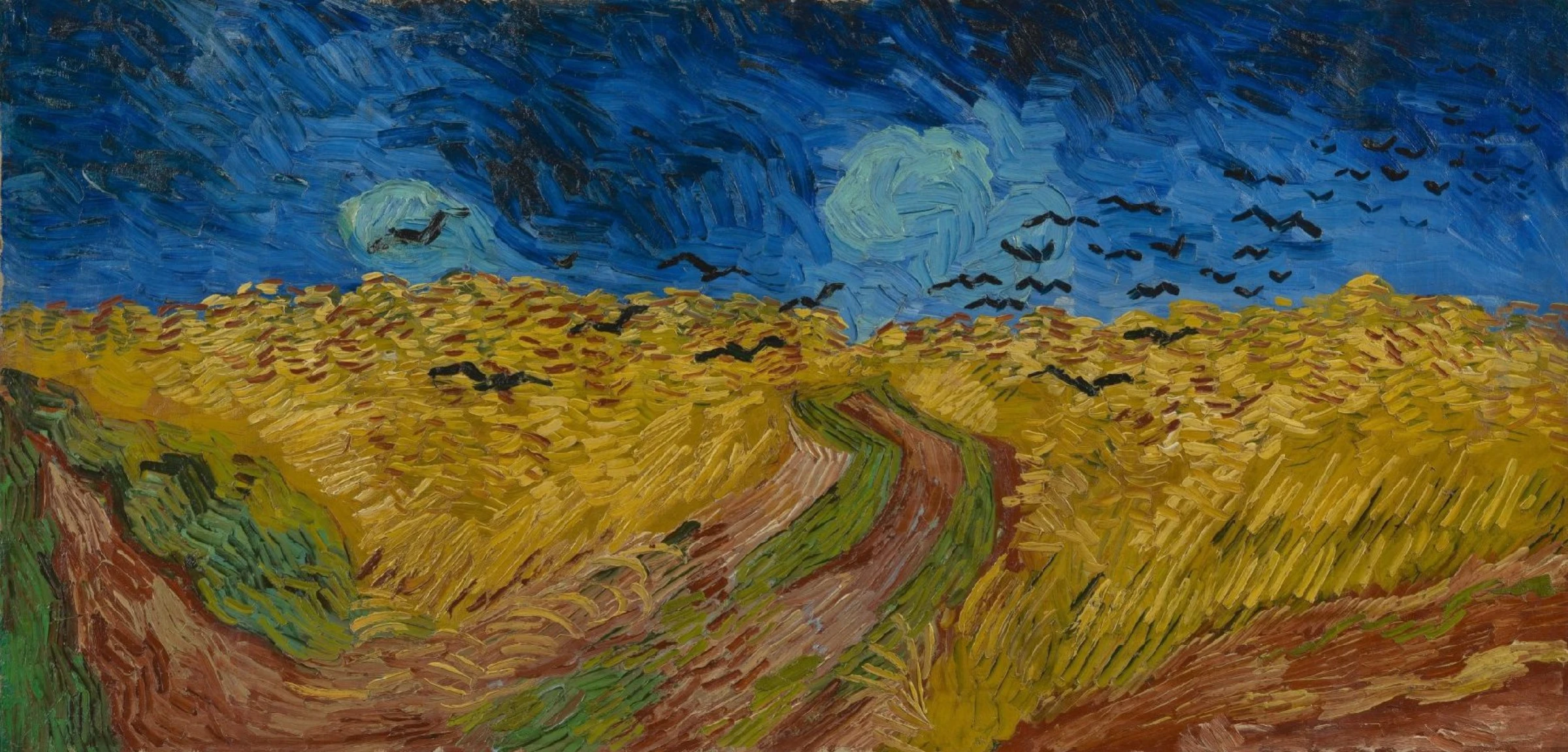
Auvers-sur-Oise has always carried two competing narratives about Vincent van Gogh: the site of his last extraordinary burst of production, and the place of his death. This week the town attempted to rebalance that history by opening two exhibitions at once, one at the Château d’Auvers and one at the Maison du docteur Gachet, each built around legacy rather than myth. The move is not minor local programming. It is a strategic repositioning of Auvers as a destination that can hold sustained international attention beyond commemorative tourism.The headline show, Van Gogh, Influencer: Legacies in Motion, runs in the château through January 2027. Its curatorial argument is clear: Van Gogh’s final paintings in 1890 did not end a story, they accelerated one. Rather than centering another biographical retelling, the exhibition maps visual continuities across artists who worked before and after his stay. That approach matters because it shifts the public conversation from tragedy to transmission, which is exactly how mature institutions build repeat attendance and critical relevance.For curators, the strongest value in this Auvers programming is method. The château exhibition stages direct formal comparisons, especially around landscape motifs, and invites visitors to read influence as a moving system instead of a fixed lineage. A collector used to market framing can miss how consequential this is. Scholarship-led displays create different demand signals: loans, catalog research, partnerships, and eventually acquisition pressure around connected artists. Auvers is using interpretation as infrastructure, and that is a smarter long game than simple brand nostalgia.The second exhibition, at the former home of Dr. Paul Gachet, deepens that logic. By foregrounding works by Gachet and his son, the project expands the story’s cast and gives viewers a richer understanding of the local artistic ecology around Van Gogh’s last weeks. It also restores attention to places that are usually treated as secondary pilgrimage stops. In practical terms, that means more reasons to stay longer in town, more programmable content for institutions, and a stronger case for public investment in conservation and access.There is also a governance lesson here for regional cultural authorities. Auvers is demonstrating how a small municipality can activate globally recognized art history through coordinated site programming. Comparable towns often rely on one annual anniversary cycle and lose momentum. By contrast, this model ties exhibition calendars to place-specific assets, from the Château d’Auvers to the Maison du docteur Gachet, and aligns them with existing international interest in the Van Gogh Museum ecosystem.For collectors planning summer travel, the opportunity is less about checklist viewing and more about context-building. Auvers now offers a compact field study in how a final career phase can be historicized through institutions, archives, and topography at once. You can read the works, then walk the geography that produced them. That sequencing, image to site, is often missing in larger biennial circuits where speed outruns attention.The risk, as always, is sentimental overproduction. If the town leans too hard into narrative packaging, it will flatten the very complexity these exhibitions are trying to recover. But right now the balance is promising. Auvers is not pretending to compete with Paris on institutional scale. It is competing on interpretive precision, and that is a category where smaller places can still lead.In a cycle when many museums are cutting risk and chasing attendance certainty, Auvers has chosen a different route: depth, specificity, and patient framing. That will not generate viral headlines every week. It may generate something better, a durable reason for serious viewers to return.