Venice Biennale Jury Draws an ICC Line on Awards, Redefining the Politics of Recognition
The 2026 Venice Biennale jury says countries whose leaders face crimes-against-humanity charges will be excluded from Golden and Silver Lion consideration.
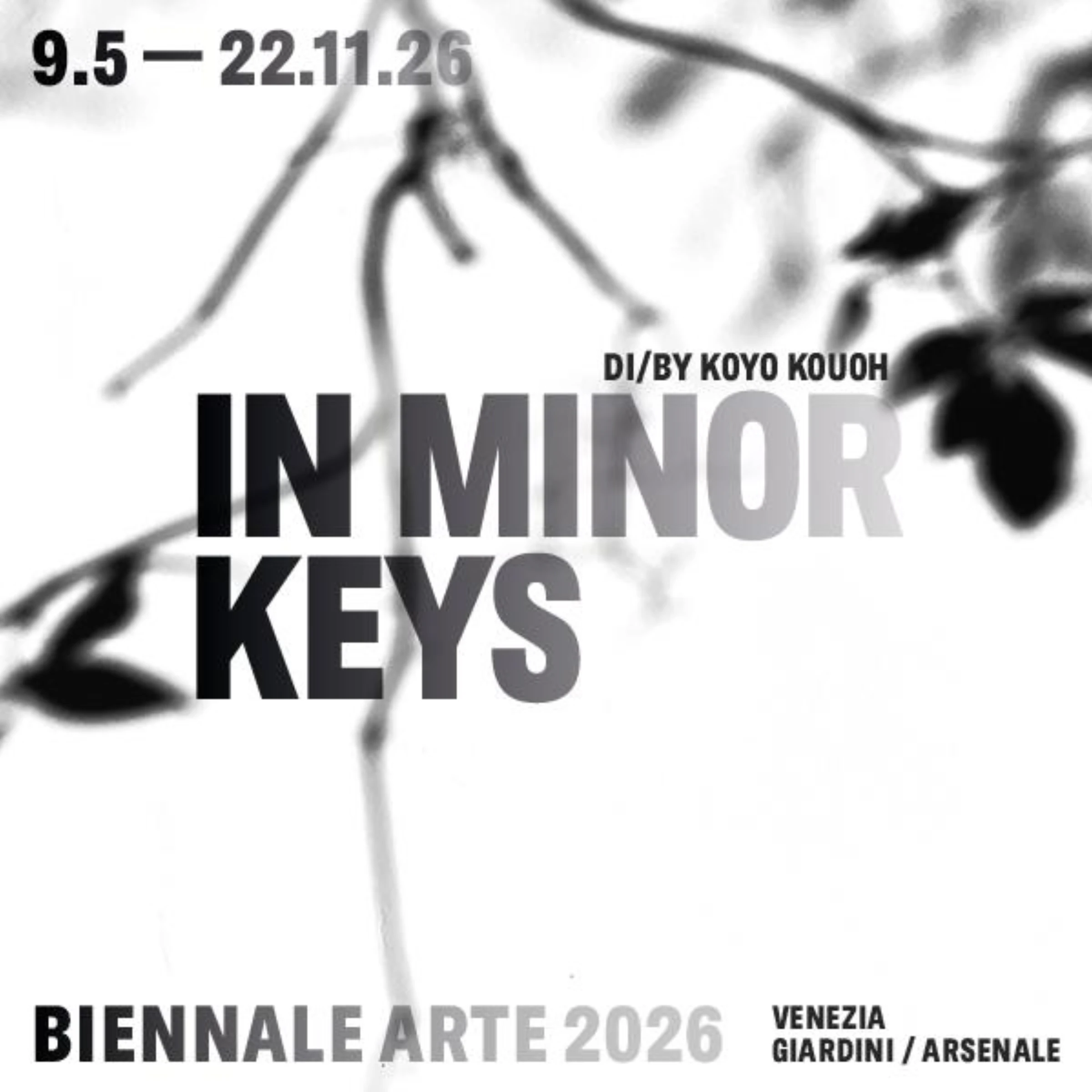
The jury for the 2026 Venice Biennale has declared that national contributions tied to leaders charged with crimes against humanity by the International Criminal Court will not be considered for Golden or Silver Lion awards. The statement does not remove those pavilions from the exhibition, but it creates a new distinction between participation and recognition. In practical terms, that distinction may become one of the most consequential governance shifts at Venice in recent years.Why this matters is simple: prizes at Venice are not ceremonial extras. They shape acquisitions, institutional invitations, gallery leverage, and an artist’s medium-term market trajectory. By limiting award eligibility, the jury has inserted an explicit legal-political threshold into the reward system of the biennial model. That move will be read globally by ministries, commissioners, artists, and patrons who treat Venice as a proxy for international cultural legitimacy.The contradiction, however, is immediate. If a pavilion remains in the exhibition but cannot be awarded, the biennial is effectively acknowledging two standards at once: one for visibility, another for endorsement. Some will argue that this is pragmatic and preserves artistic access. Others will argue that it is a half-measure that protects institutional continuity while outsourcing moral clarity to prize protocols.For curators and commissioners, the decision increases procedural pressure. Expect more scrutiny of jury mandates, more pre-announcement diplomacy around participation terms, and more public demands for criteria published in advance. Venice has always been political, but the politics were often negotiated through curatorial framing and informal signaling. This decision pushes them into formal adjudication language and will likely influence other biennials with national-pavilion structures.It also reframes the role of the central exhibition. Under curator Koyo Kouoh’s title In Minor Keys, the rhetoric of listening, subtlety, and attention to suppressed frequencies already suggested a different institutional tempo. The jury’s statement aligns with that frame, but in a sharper register, where ethical positioning is not only thematic but administrative. That alignment can strengthen coherence, yet it also raises the stakes for consistency across funding, selection, and public communication.Collectors should watch what happens next with institutional borrowing and museum programming after Venice. If prize pathways narrow for certain pavilions, downstream attention may redistribute toward collateral exhibitions, independent spaces, and cross-national collaborations that sit outside pavilion diplomacy. In past cycles, Venice awards have had outsized influence on what travels into museum calendars. A changed award map can change programming pipelines well beyond Italy.There is a broader structural point here. The contemporary art field has spent a decade debating ethics primarily through open letters, artist withdrawals, and social media pressure. The Venice jury move suggests a transition from discursive pressure to procedural criteria. Once criteria exist, even in limited form, they become precedents. Future juries may expand them, institutions may codify them, and governments may contest them more directly.None of this resolves the core tension between nation-state representation and artistic autonomy. It does, however, make that tension harder to hide. For a biennial ecosystem that often thrives on ambiguity, this is a notable break. Venice has not exited contradiction. It has documented it, and in doing so has altered the terms on which recognition is now granted at one of the field’s central stages. For reference on this year’s structure and venues, see the official Biennale Arte 2026 pages and the historical framework of the exhibition.