Art Monte Carlo Signals Expansion After Informa Prestige Acquisition
The boutique fair Art Monte Carlo opened under new ownership with plans to nearly double in size and extend its international collector program.
Art Monte Carlo opened its tenth edition with new ownership and an unusually explicit growth agenda. The fair, now controlled by Informa Prestige, is being repositioned from a small regional event into a broader luxury-facing platform aimed at mobile high-net-worth collectors. As reported by The Art Newspaper, the company has already shifted the event to April, integrated it into a wider portfolio, and signaled plans to nearly double scale within two years.
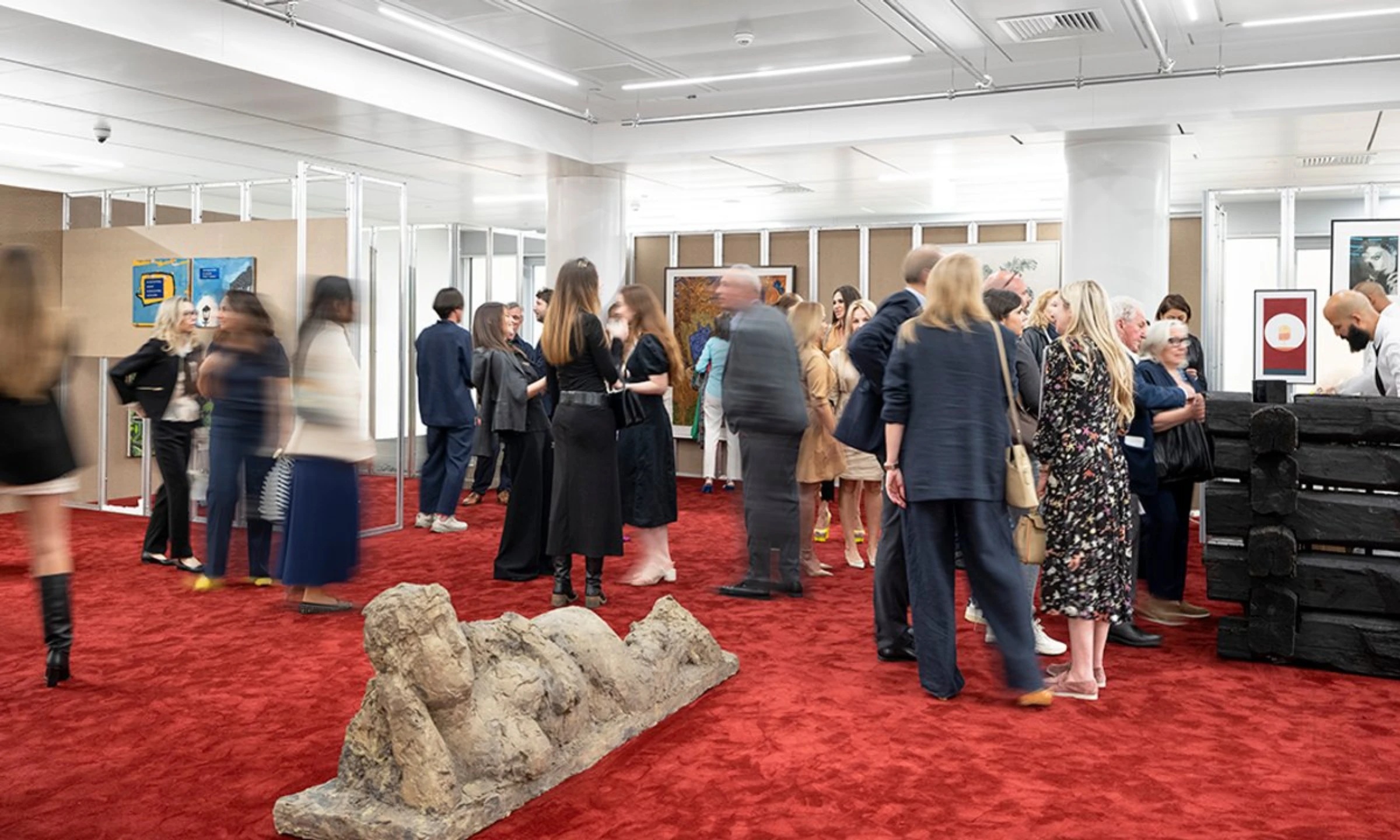
The immediate profile remains compact, 26 exhibitors, but strategically revealing. Blue-chip dealers sat beside smaller specialist galleries, while inventory ranged from Old Masters to postwar and contemporary names. That breadth is often criticized as uneven, yet it may be deliberate. In a micro-market like Monaco, heterogeneity can function as a collector capture strategy, allowing one fair to service multiple buyer identities: historic connoisseurship, status-driven acquisition, and speculative contemporary trading.
Informa’s thesis appears to be that art-fair demand can be bundled with adjacent luxury economies, yachting, automotive, hospitality, and destination retail. This is not merely marketing language. It changes data flows, sponsorship logic, and VIP programming design. If successful, Art Monte Carlo could become less dependent on traditional fair economics and more integrated into cross-sector spending behavior where collecting sits beside other prestige consumption categories.
Dealer feedback from the opening days was mixed: selective sales, some at lower price bands than headline works might suggest. That pattern mirrors broader market conditions in which liquidity persists but conviction is segmented. High-ticket inventory still draws attention, yet transaction momentum often concentrates in mid-tier pricing where risk feels more manageable. For galleries, the fair’s value may lie as much in access and relationship sequencing as immediate sell-through.
For institutions and advisors, the story matters because it tracks a structural shift in fair governance. Events once run as standalone cultural-commerce hybrids are increasingly absorbed into larger trade-fair conglomerates. That can bring capital, operational efficiency, and global reach, but it can also standardize format and compress curatorial distinctiveness. Art Monte Carlo is now a live test of whether boutique identity can survive platform consolidation while still delivering credible market growth.