ART KL Contemporary Art Platform to Debut in Kuala Lumpur
New Southeast Asian art platform launches in October at Kuala Lumpur's APW campus, featuring ten regional galleries and installations by Malaysian artists
What Happened
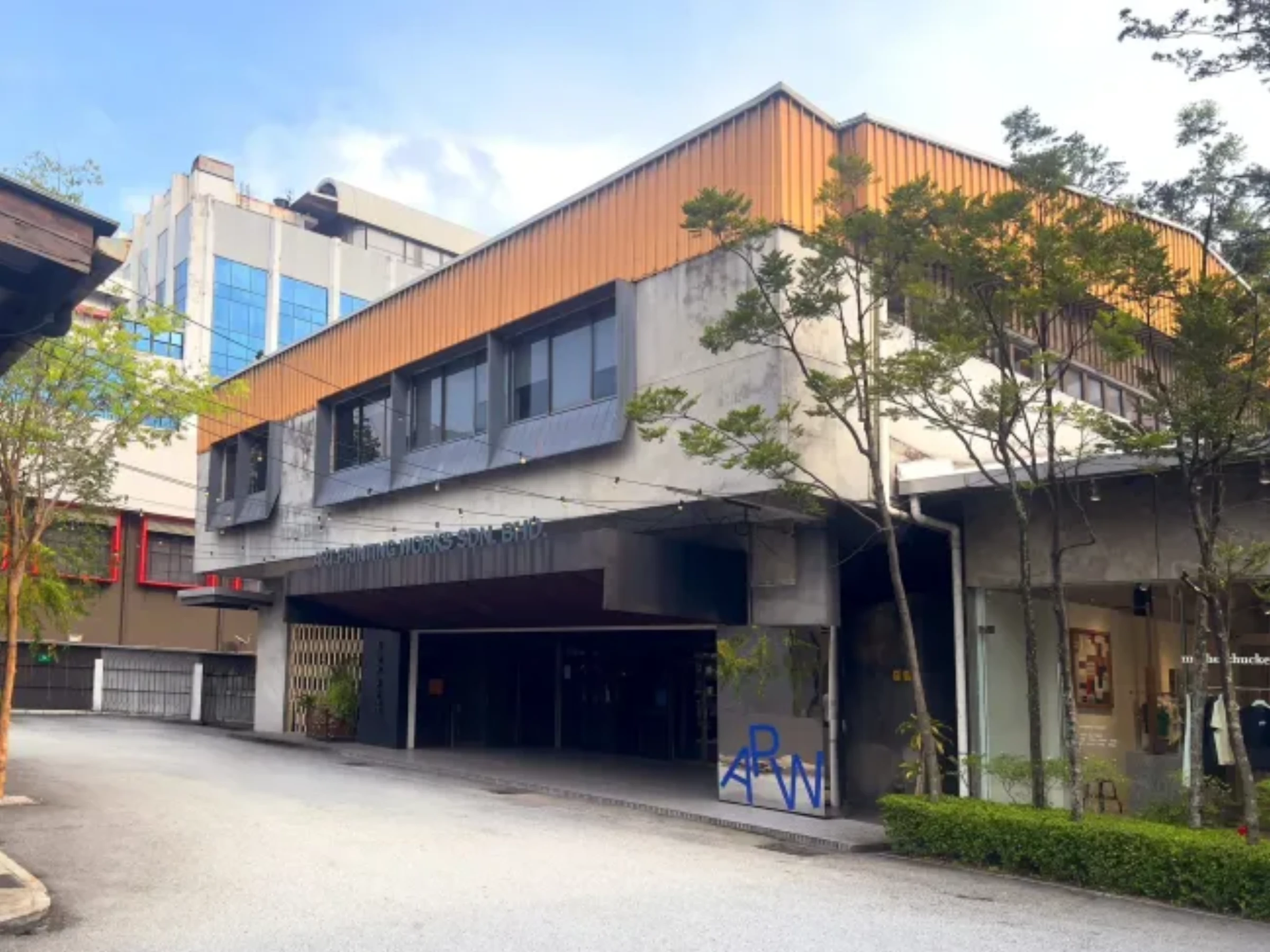
A new contemporary art platform dedicated to showcasing artists from Southeast Asia will debut in Kuala Lumpur this October. Called ART KL, the initiative is the result of a collaboration between Richard Koh Art Advisory and the art consultancy firm Art Anonymous, and will be staged at A Place Where (APW), a contemporary lifestyle campus constructed in a former printing factory that serves as the venue sponsor. The inaugural edition will run from October 15 to 18, 2026, and will be free to attend, with UOB bank serving as the main sponsor.
The platform's programming will center around artists born after 1990, reflecting a focus on emerging practices that distinguishes ART KL from the region's existing art fairs, which tend to feature more established galleries and artists. Ten galleries from across Southeast Asia have been selected to participate, including Kuala Lumpur's Galeri Sasha, Intersections from Singapore, ISA Art Gallery from Jakarta, Bangkok-based Warin Lab Contemporary, and Zhan Art Space, based in Petaling Jaya, Malaysia. Each gallery will contribute either solo or duo artist presentations, creating a curated exhibition format that prioritizes depth over breadth.
The Kuala Lumpur Context
Kuala Lumpur's contemporary art scene has expanded rapidly in recent years, positioning the Malaysian capital as an emerging center for Southeast Asian art. The city's growth as an art destination reflects broader trends in the region, where cities including Bangkok, Jakarta, Manila, and Ho Chi Minh City have seen significant investment in contemporary art infrastructure. The establishment of ART KL follows the opening of Muara Arts, a new nonprofit gallery in Kuala Lumpur that appointed former Whitechapel Gallery chief curator Lydia Yee as its artistic director in July 2026, signaling the city's ambition to attract international curatorial talent.
The choice of APW as the venue reflects a broader trend in Southeast Asian art programming, where former industrial spaces have been repurposed as cultural venues. APW, described as a contemporary lifestyle campus, offers extensive space for pop-up galleries and temporary art interventions, making it well-suited to a platform like ART KL that aims to combine exhibition programming with broader cultural engagement. The venue's existing infrastructure, which includes food and beverage offerings and event spaces, positions ART KL as a lifestyle-oriented art event that aims to attract audiences beyond the traditional gallery-going public. This approach has proven successful in other Asian markets, where art events that integrate cultural programming with hospitality and entertainment have drawn larger and more diverse audiences than conventional fair formats.
Programming and Participants
Beyond the gallery presentations, ART KL 2026 will include site-specific installations produced by eight Malaysian artists: Farhan Rizuwan, Lee Mok Yee, Najib Ahmad Bamadhaj, Neoh Shin Yen, Phillip Wong, Samantha Lee, Wong Perng Fey, and Alexdrina Chong. The inclusion of a substantial installation program signals the platform's ambition to be more than a commercial fair, positioning ART KL as a cultural event that contributes to the development of Malaysian contemporary art alongside its regional programming. The installations will provide local artists with visibility alongside their regional peers, addressing a common challenge in Southeast Asian art events, where local talent can be overshadowed by participants from more established art markets.
The event will also host panel discussions and an auction, the proceeds of which will support the Lighthouse Children's Welfare Home. The charitable component reflects a model of social engagement that has become increasingly common in Asian art events, where philanthropic programming serves both community benefit and institutional brand-building purposes. Richard Koh, the founder of Richard Koh Art Advisory and a driving force behind ART KL, described the platform's mission in a statement, saying that by bringing together artists, galleries, collectors, and curators, ART KL aims to create new opportunities for discovery and exchange while strengthening the relationships that help contemporary art thrive in Kuala Lumpur and across the region.
What Comes Next
The debut of ART KL comes at a moment of significant change in the Southeast Asian art market. The region has seen growing international attention from collectors and institutions, but its infrastructure remains less developed than East Asian markets such as Hong Kong, Seoul, and Tokyo. Hong Kong's position as the dominant art market hub in Asia has been challenged by political developments and economic headwinds, creating opportunities for other cities in the region to increase their share of the market. Singapore has positioned itself as a beneficiary of Hong Kong's challenges, but Kuala Lumpur, Bangkok, and Jakarta have also sought to capitalize on the shifting landscape.
The success of ART KL will depend on several factors, including the quality of the inaugural programming, the ability to attract collectors from across the region and beyond, and the platform's capacity to establish a distinctive identity in a crowded field of Asian art events. The focus on artists born after 1990 is a potentially differentiating strategy, as it targets a demographic that is underrepresented in the region's major fairs. If ART KL can establish itself as the leading platform for emerging Southeast Asian art, it could play a significant role in shaping the careers of the next generation of artists in the region. The involvement of Richard Koh, a well-established figure in the Southeast Asian art world, provides the platform with credibility and institutional relationships that will be important in its inaugural edition. Whether ART KL becomes a recurring fixture on the regional art calendar or remains a one-off event will depend on the response to its October debut, but its launch is itself a sign of the growing confidence and ambition of Kuala Lumpur's art community.
The selection of galleries for the inaugural edition reflects a curatorial vision that prioritizes regional diversity over market power. Galeri Sasha, one of Kuala Lumpur's longest-running commercial galleries, brings local credibility. Intersections, based in Singapore, represents the growing cross-traffic between the Malaysian and Singaporean art markets. ISA Art Gallery from Jakarta brings Indonesian contemporary art into the conversation, while Warin Lab Contemporary from Bangkok contributes Thailand's distinctive contemporary art scene. The inclusion of Zhan Art Space from Petaling Jaya adds another Malaysian voice, ensuring that the platform maintains a strong local presence alongside its regional ambitions. This geographic spread positions ART KL as a genuinely regional platform rather than a local fair with international window dressing, a distinction that will be important for attracting collectors and critics from across Southeast Asia.
The focus on artists born after 1990 also reflects a curatorial bet on the future of Southeast Asian art. The region's contemporary art scene has been shaped by artists who emerged in the 1990s and 2000s, many of whom have established international reputations. The next generation, however, is less well-known, and platforms like ART KL that focus on emerging practices play an important role in introducing new artists to the market. The risk of focusing on younger artists is that their work may be less commercially established, but the potential reward is that the platform becomes known as a place where discoveries are made. Collectors who are looking for the next generation of Southeast Asian talent will have a strong incentive to attend, particularly if the quality of the inaugural edition establishes ART KL's curatorial credentials. The platform's free admission policy, supported by UOB bank sponsorship, further lowers the barrier to attendance, making the event accessible to students, young collectors, and casual visitors who might be intimidated by the price of admission at a commercial fair.
The site-specific installations by eight Malaysian artists represent a significant investment in local talent and provide a counterpoint to the gallery presentations. Farhan Rizuwan, Lee Mok Yee, Najib Ahmad Bamadhaj, Neoh Shin Yen, Phillip Wong, Samantha Lee, Wong Perng Fey, and Alexdrina Chong represent a cross-section of contemporary Malaysian practice, and the installations will give these artists a visibility platform that extends beyond the commercial gallery context. The inclusion of an auction with proceeds supporting the Lighthouse Children's Welfare Home adds a philanthropic dimension that aligns with the social engagement ethos that many emerging art platforms in Asia have adopted. This combination of commercial programming, curated installations, and social engagement positions ART KL as a new kind of art event, one that seeks to balance market development with community building. Whether this model proves sustainable will depend on the platform's ability to attract both commercial participants and a broader public in its inaugural edition, but the strategy reflects a sophisticated understanding of how art ecosystems develop in emerging markets.
The broader context for ART KL's launch includes growing competition among Southeast Asian cities for art market prominence. Singapore remains the region's most established art market hub, with Art Week Singapore and the Singapore Art Museum providing institutional infrastructure. Bangkok has a thriving gallery scene and the Bangkok Art Biennale. Jakarta has long been a center for Indonesian contemporary art. Manila, Ho Chi Minh City, and Phnom Penh have all seen growing art scenes in recent years. Kuala Lumpur's advantage is its geographic position at the center of the region, its relatively lower costs compared to Singapore, and its growing cultural infrastructure. The launch of ART KL, alongside the establishment of Muara Arts under Lydia Yee's direction, suggests that the city is making a coordinated push to establish itself as a significant player in the Southeast Asian art landscape. The ARTnews and Artforum have both covered the Malaysian art scene with increasing frequency in recent months, a sign that international attention is turning toward the country. Whether ART KL can capitalize on this attention and establish itself as a must-attend event on the regional calendar will be determined in October, but its launch is a significant moment for Southeast Asian art regardless of the outcome.