Art Brussels 2026 Bets on Fewer Booths and a Slower Fair Rhythm
With 138 galleries, down from the previous edition, Art Brussels is positioning contraction as strategy and signaling a wider quality-over-volume turn in mid-size fair economics.
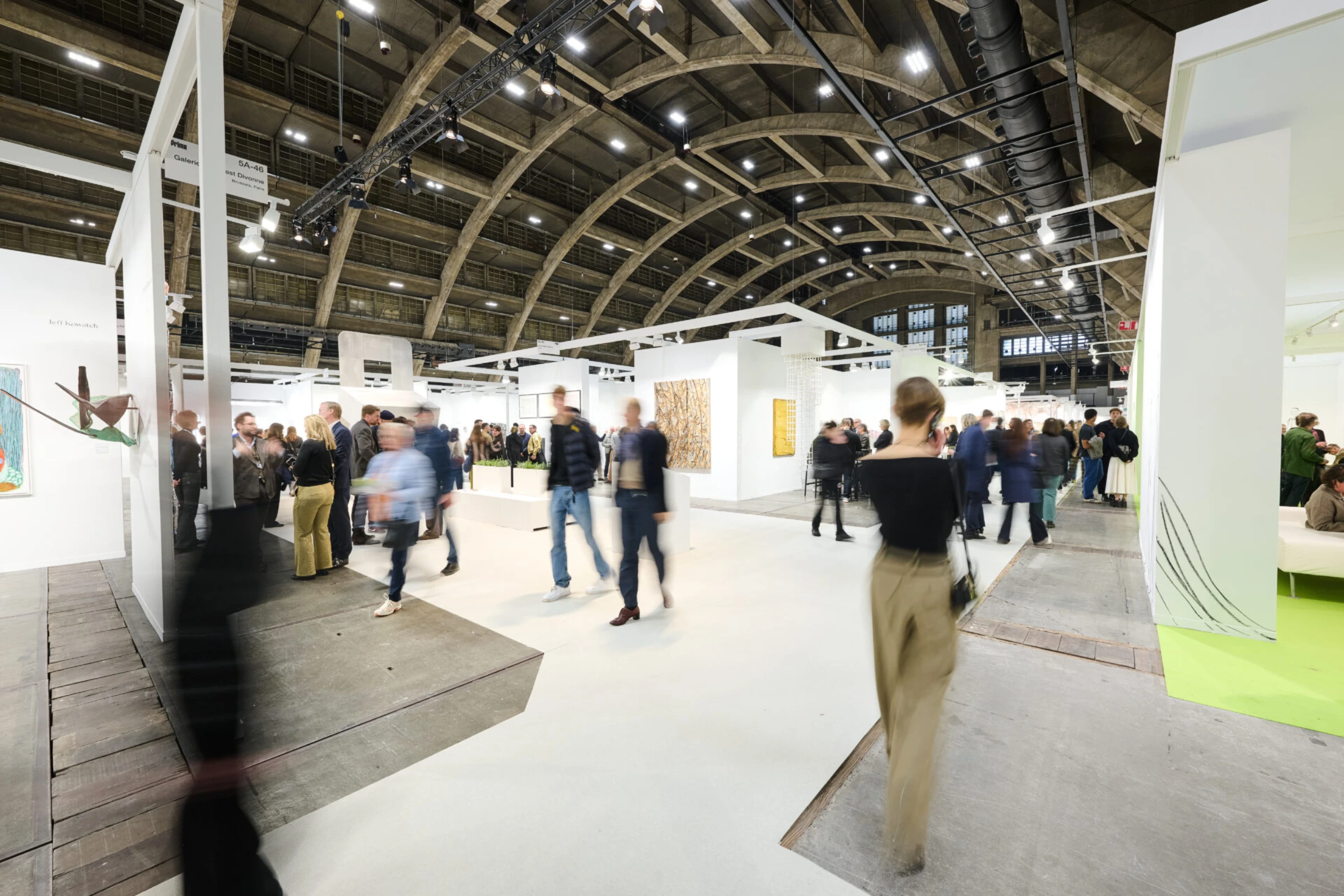
Art fairs rarely describe smaller numbers as strategic progress, but that is exactly how this year's Art Brussels is framing its 42nd edition. At the opening press conference, director Nele Verhaeren acknowledged the contraction directly: 138 participating galleries, down by 26 from the prior year. Instead of treating that decline as a temporary blemish, organizers presented it as a quality-first recalibration and a way to change the pace of how the fair is experienced.
That framing lands in a market where many mid-tier and regional fairs are under pressure from rising production costs, tighter collector travel calendars, and the growing concentration of attention around a handful of global tentpoles. For galleries, each fair now has to justify itself with sharper conversion logic. For collectors and advisors, fair fatigue has become a practical issue, not a rhetorical one. In this context, fewer booths can be read as a selection signal, but only if presentation quality, discovery value, and transactional follow-through are clearly stronger.
Art Brussels has long occupied a particular niche in the fair ecosystem, less spectacle-heavy than top global mega-fairs and historically more open to emerging and mid-career programs. The strategic risk this year is obvious: reducing scale can improve readability, but it can also reduce serendipity if curatorial breadth narrows too far. The opportunity is equally clear: a more navigable floor can increase attention per stand, improve conversations, and lower the cognitive churn that often turns day two into visual noise.
The fair's own infrastructure suggests it is trying to support that slower rhythm. Public-facing pages for sections, participating galleries, and the broader programme indicate an architecture that encourages route planning rather than aimless saturation viewing. For serious buyers, that matters because focused movement across booths typically produces better comparative looking and stronger decision confidence.
Economically, a fair of this profile is balancing three constituencies at once. Galleries need sales and high-quality contacts. Collectors need efficient access and trust signals around quality. The fair organization needs sponsor confidence and long-term relevance in a crowded calendar. A smaller edition can satisfy all three only if curation becomes legible as value creation, not as defensive downsizing. The messaging this year attempts exactly that, placing emphasis on experience density rather than raw exhibitor count.
For artists and smaller galleries, the implications are mixed. A quality-first model can improve visibility if booth competition is less chaotic and visitor attention is less fragmented. But tighter exhibitor counts can also increase barriers to entry. The real test is whether reduced scale is accompanied by stronger support for discovery channels, including curated sections and programming that helps younger galleries build sustained relationships beyond opening-day traffic.
The wider signal extends beyond Brussels. If this edition performs, measured by collector engagement, sales stability, and repeat exhibitor confidence, more fairs may openly adopt similar language around selective contraction and experience redesign. The old growth metric, more booths equals more prestige, is already under strain. In today's fair market, clarity can outperform quantity, especially when buyers are optimizing fewer trips and expecting deeper context from each one.
For now, Art Brussels has done something many peers avoid: it named the reset while inviting the field to judge outcomes. That transparency gives this edition unusual diagnostic value. If the model works, it will strengthen the case that fair success in 2026 is less about scale theater and more about editorial control, pacing, and trust in selection.
The next question is whether this posture can persist if market conditions improve. Quality-first messaging is easiest during contraction, harder when expansion pressure returns. The fair's long-term credibility will depend on whether it treats this year as a temporary narrative or as a durable operating philosophy.