How to Read a Museum Expansion Without Falling for the Renderings
Museum expansions are governance stories before they are architecture stories. Here is how to read the money, programming and power behind the new wings.
Start With Governance, Not the Renderings
When a museum announces an expansion, the easiest mistake is to read the project as an architecture story first. Renderings are designed to push you toward that mistake. They turn governance into atmosphere. Water shimmers, visitors stroll and a donor-driven capital project begins to look like destiny. Resist that. A museum addition is a governance decision before it is a visual one. Someone approved the debt, someone secured the gifts, someone chose the timeline and someone decided the institution needed more building rather than different programming. If you want to understand an expansion, begin with the board, the funding structure and the leadership logic that made it possible.
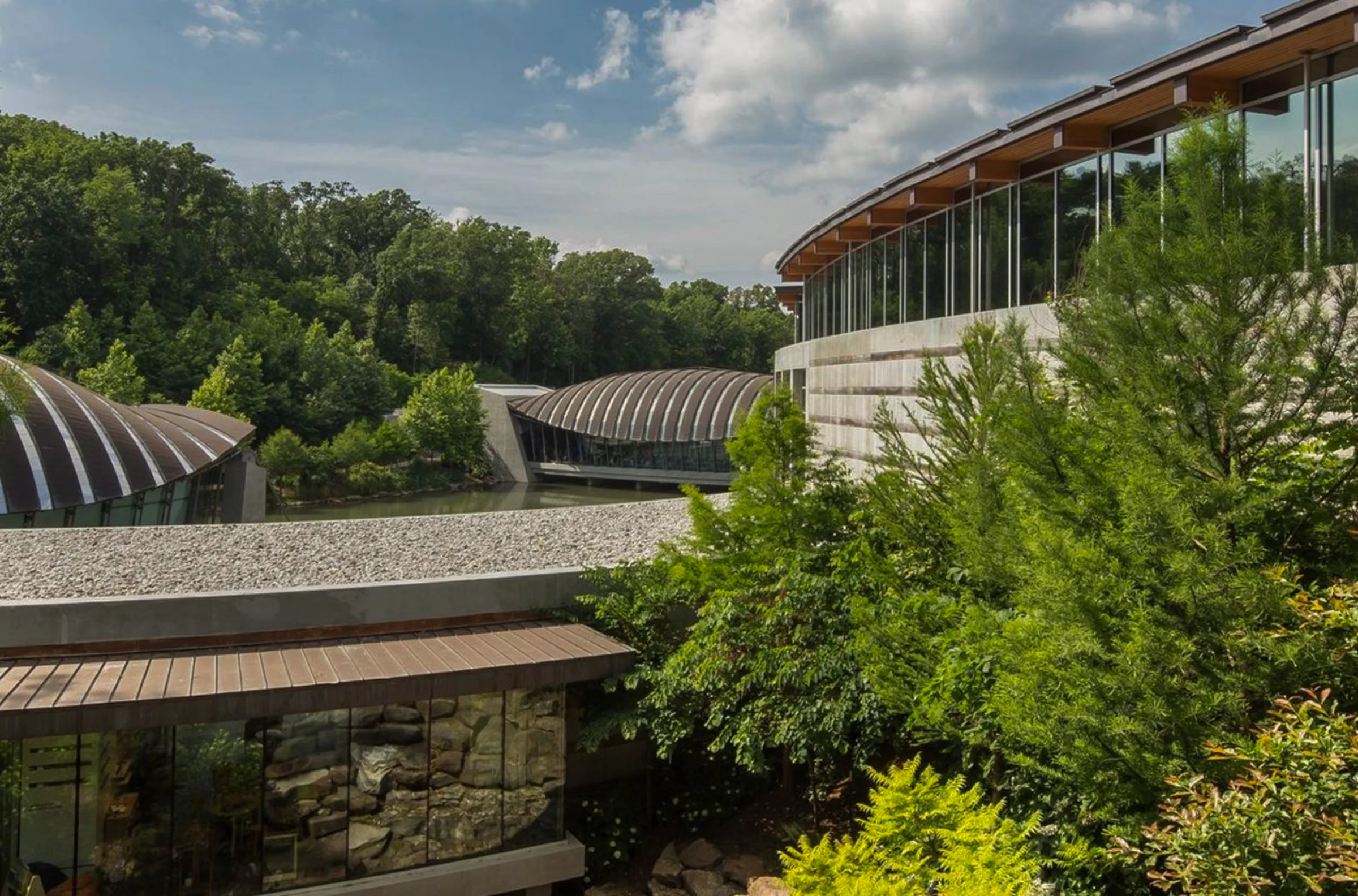
The recent Crystal Bridges project, outlined by ARTnews and framed on the museum’s own architecture pages, is a good example. The addition is large, but the more revealing fact is that Alice Walton and Moshe Safdie are using it to preserve the founding logic of the institution while they still can. That is a leadership story dressed as a facilities story.
One reliable clue is whether the institution is honest about operating costs. Capital campaigns are glamorous because the money arrives with naming opportunities and clear visual outcomes. Operating budgets are less glamorous because they imply years of payroll, maintenance, utilities and curatorial work after the donor dinner is over. If a museum cannot talk plainly about how the addition will be sustained, the project may be structurally weaker than the renderings suggest. Buildings do not simply open; they obligate.
Ask three blunt questions immediately. Who is paying? What problem is the expansion supposed to solve? And why does the institution believe a new building addresses that problem better than staffing, acquisitions, conservation, digital access or community partnership would? If those questions produce foggy language about transformation, vibrancy or global leadership, you are probably looking at an institution that wants the symbolism of growth more than the discipline of explanation.
Read the Square Footage as a Program, Not a Brag
Museums love listing square footage because numbers project certainty. But square footage is only useful when translated into use. Does the addition create conservation labs, study centers, classrooms, storage, gathering spaces or galleries? Which of those functions are revenue-generating, and which serve scholarship or public access? A new wing with modest programming depth can still be a real-estate flex dressed in cultural language.
This is why readers should track where the new area actually goes. More gallery space means more pressure to feed the exhibition calendar. More event space can mean a stronger rental business. More education space might be genuinely public-minded, or it might simply give the institution a better script for donor communication. None of those outcomes is automatically good or bad. The point is that buildings organize labor and priorities long after the opening party ends.
Our earlier guide on programming versus architecture in museum expansions remains useful here. The central test is whether the institution can articulate what the new spaces let it do that it could not do before, and whether those promised uses are intellectually serious rather than cosmetically broad.
This is also where source diversity helps. Read the museum’s own statement, then compare it with critical coverage and with the institution’s recent programming history. If the expansion copy promises broad public relevance but the recent exhibition record remains cautious and donor-friendly, that gap is informative. The future being marketed may not match the institution that already exists. Critical reading means asking whether the building will change behavior or simply give existing behavior a brighter shell.
Watch How Architecture Is Used to Manufacture Continuity
Institutions often use architecture to tell a story about continuity. Sometimes that means rehiring the original architect, as Crystal Bridges has done with Safdie. Sometimes it means selecting a star architect whose style can stand in for renewal. Either way, the design choice is never neutral. It tells you whether the museum wants to stabilize an inherited identity or announce a break from it.
Continuity can be smart. A coherent campus often serves audiences better than an architectural patchwork created by decades of donor vanity. But continuity also protects power. It allows founders and boards to lock in their preferred institutional narrative across generations. When museums present continuity as pure aesthetic wisdom, remember that they are also deciding who gets to define the institution after current leadership is gone.
Collection strategy belongs in this reading too. New space can tempt museums into expansion for expansion’s sake, especially if boards imagine more rooms automatically justify more acquisitions. Strong institutions think in reverse. They decide what histories, artists or publics are currently underserved, and only then ask whether additional space is the right tool. If the collection plan remains vague, the new wing may become a parking lot for respectable but intellectually thin programming.
The same reading strategy works beyond museums. In our coverage of the New Museum reopening, expansion also functioned as a statement about how a contemporary institution wanted to renew itself without surrendering brand identity. Different city, different donor ecology, same underlying question: is architecture clarifying mission or embalming it?
Follow the Labor, Not Just the Donors
Every expansion produces a soft-focus narrative of generosity. Donors believe in the future. Architects interpret civic need. Local officials celebrate cultural vitality. What often gets pushed out of frame is labor. A bigger museum requires installation crews, educators, visitor-services staff, custodians, security workers, conservators, programmers and digital teams. If the institution cannot explain how staffing will scale with the footprint, the project may be asking workers to subsidize grandeur with exhaustion.
This is one reason apparently triumphant expansions can age badly. A museum can open a spectacular wing and still become thinner as a public institution if it understaffs interpretation, cuts scholarly ambition or treats front-line labor as infinitely elastic. Ask whether the museum has disclosed hiring plans, operating costs and long-term commitments. An expansion without operational clarity is often a deferred austerity package.
Look for the Public That the Museum Imagines
Expansions always imply a public. Read the language closely. Is the museum talking about tourists, local families, scholars, artists, collectors or everyone at once? "Everyone" is usually too vague to trust. The more useful question is which public the new building materially serves. Free admission, transit access, gathering space, multilingual interpretation and year-round programming all suggest different answers than a donor lounge, a gala-ready atrium or another blockbuster gallery sequence.
The sharpest institutions make this legible through specifics. They tell you what school groups will be able to do, what archives become accessible, what local communities gain and how the collection will be interpreted differently. The weaker ones rely on atmosphere and aspiration. They want you to feel expansion as uplift instead of reading it as structure.
Judge the Expansion After Opening Week
The opening is the least informative moment in any building project. Everyone is still speaking in future tense, and even the critics are often responding to novelty before routine sets in. The meaningful test starts six months later. Are the new galleries producing better shows? Are the public spaces actually public? Has the institution used the addition to deepen interpretation, or has it simply gained more room for the same habits?
There is a digital layer to all of this that museums still understate. New buildings are often promoted as if physical presence and digital access exist in separate universes, but they are deeply linked. A museum that spends heavily on expansion should also be able to explain what happens to archives, collection data, online interpretation and remote publics. Otherwise the institution risks treating the building as the only serious form of access. Projects such as Leonardo//thek@ 2.0 show that cultural infrastructure can also mean better digital research tools, not just more walls.
Finally, pay attention to how an expansion changes the institution’s courage. Does the museum become more willing to stage difficult work, support scholarship and convene disagreement, or does it become more protective of its brand because so much money has been sunk into the building? The paradox of capital projects is that they can either free an institution or make it more timid. The building that was supposed to express confidence can become the reason leadership avoids risk. That is why readers should return to the expansion after the applause, when the real institutional character starts to show.
A good expansion creates a new institutional tempo. It broadens what can be studied, shown or argued. A weak expansion creates more maintenance, more branding and more excuses. That is why skepticism is healthy. Not cynical, just disciplined. New buildings are expensive claims about permanence. They deserve to be read as claims, not as miracles.
If you keep these questions in view, museum architecture becomes easier to read. The renderings stop doing all the talking. You can see where governance ends, where program begins and where image management is trying to pass as public value. That is the point. A museum addition should not only look persuasive. It should survive serious reading.