How to Read Authentication and Rediscovery Claims in 2026
When a museum or market player says a painting is newly authenticated, rediscovered, or resurfaced, read the evidence, institution, and timeline before you believe the romance.
Start by separating romance from evidence
The art world loves a rediscovery because it compresses scholarship, suspense, and market fantasy into one clean narrative. A lost work resurfaces. A forgotten painting returns to public view. A conservator reveals that a doubtful canvas is in fact the earliest known portrait by a major artist. These stories are catnip because they make art history feel alive and unstable. But the first rule is simple: do not confuse a gripping story with a strong claim. Whenever you see words like newly authenticated, resurfaced, rediscovered, or first time on public view, ask what kind of evidence is actually being offered and by whom.
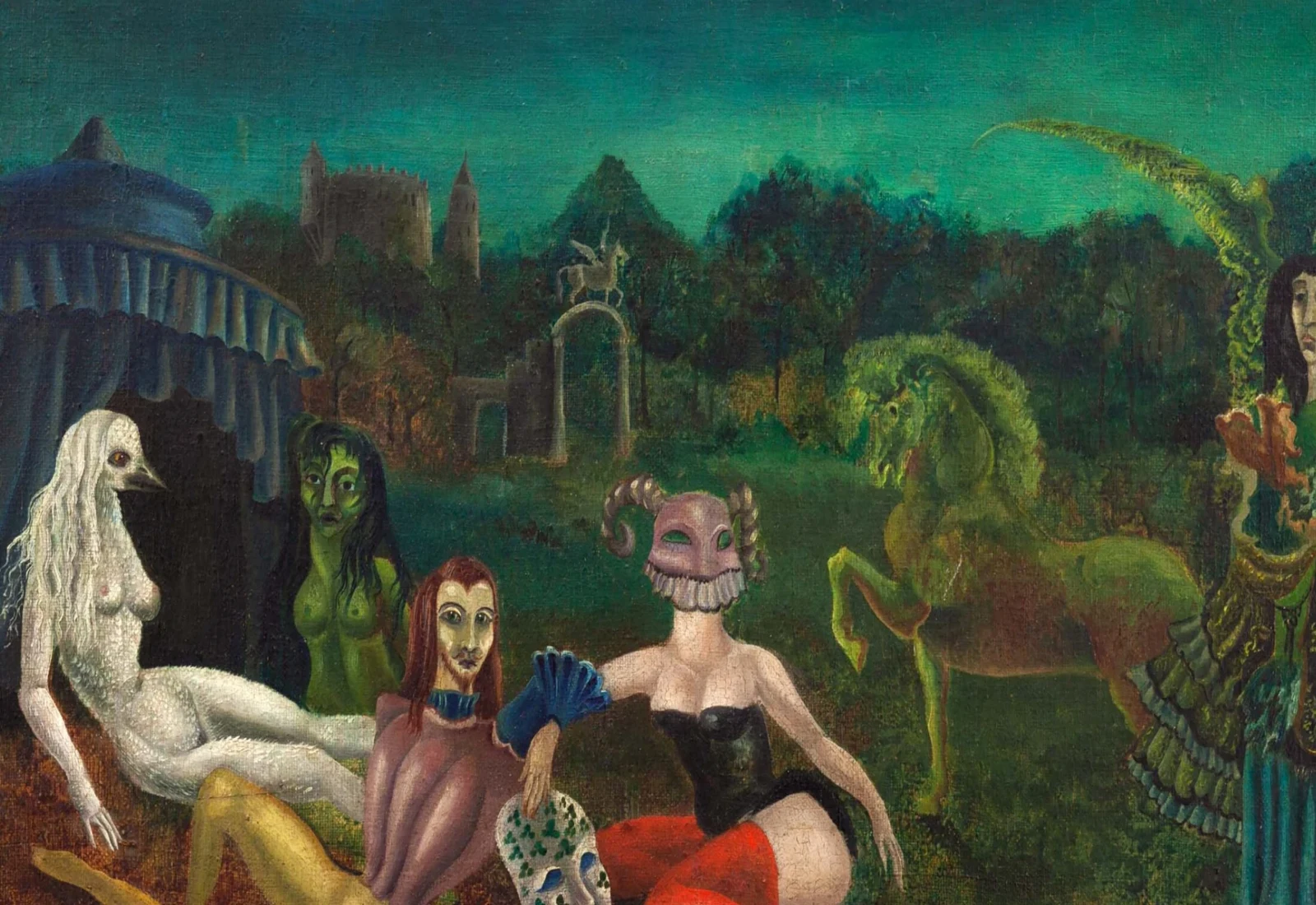
The contrast between the Freud Museum's announcement about Leonora Carrington's Villa Pilar and Tate's Whistler's Finish research project is useful here. The Carrington story is about a painting entering a specific exhibition context after decades out of view. The Whistler story is about technical examination, comparative analysis, and chronology. Both can be important, but they are not the same kind of claim. One concerns renewed visibility. The other concerns authorship, dating, and developmental significance. Readers should not let the same breathless vocabulary flatten those distinctions.
Ask whether the claim is about authorship, dating, visibility, or ownership
Authentication stories often sound bigger than they are because several different issues get bundled together. Is the institution claiming that a work is by the artist? That it is earlier or later than previously thought? That it has been hidden from public view? That it has changed hands or moved from a private collection into a museum exhibition? These are separate matters, and each requires different proof. A work can be unquestionably authentic and still newly visible. It can be newly dated without being newly discovered. It can be famous in scholarship but rarely exhibited. If you do not sort the category first, you cannot judge the significance.
Take the Whistler example. The headline about the earliest known portrait sounds dramatic, but the underlying issue is not a fantasy attic find. It is a correction in chronology grounded in technical evidence and comparative research. By contrast, Carrington's Villa Pilar enters the public conversation through exhibition framing at the Freud Museum, where it is made legible within the artist's wartime output and psychiatric confinement in Santander. Both are meaningful developments. They simply belong to different interpretive buckets.
This is where a lot of bad reporting goes wrong. Journalists collapse visibility into discovery and discovery into authentication because each move makes the headline cleaner. Resist that cleanup. The messier the category work, the more likely you are to understand what actually changed.
Follow the institution because context shapes credibility
The institution making the claim matters almost as much as the claim itself. A museum exhibition, a conservation project, an auction house video, a dealer note, and a private collection press release all have different incentives. Museums generally want scholarly authority, audience interest, and lender confidence. Auction houses want urgency, prestige, and reassurance around value. Dealers want conviction without too much friction. None of these motives automatically invalidate a claim, but they should determine how you read it.
If an auction house presents a painting as newly significant, ask how that significance supports the estimate and sale narrative. The current Sotheby's framing of Lucian Freud's Sleeping by the Lion Carpet is persuasive because it roots the picture in a known series, exhibition history, and a sustained argument about paint and monumentality. But it is still a sales environment. The burden on the reader is to separate genuine art historical substance from promotional inevitability.
When a museum like Tate or the Freud Museum frames a work, the incentives are different but still present. Museums want to make exhibitions feel necessary, research driven, and publicly important. That can produce real scholarship, but it can also encourage rhetoric of first time ever, newly revealed, or revised understanding that overstates what has changed. Serious readers treat museum labels as arguments, not neutral truth.
Look for method, not just confidence
The strongest authentication and rediscovery stories tell you how the conclusion was reached. In the Whistler case, the reporting points to infrared analysis, comparison with known canvases, and a broader collaborative technical project across several institutions. That methodological texture is exactly what you want. It lets readers evaluate whether the claim rests on material evidence, documentary evidence, stylistic judgment, or some blend of all three. Confidence without method should make you suspicious.
This does not mean every article needs to become a conservation seminar. It means the piece should tell you what kind of work supports the headline. Was there pigment analysis? Examination of underdrawing? Archival correspondence? A loan that enabled side by side comparison? A catalogue raisonné update? Or merely the assertion of a curator, dealer, or expert committee? The answer determines whether you are reading a robust revision or a nicely packaged story.
Readers of our provenance guide will notice a similar pattern. The language of certainty often arrives before the evidence becomes publicly legible. Do not reward that habit. When the method is vague, the claim deserves caution.
Check what the new framing does to the artist’s timeline
Some rediscovery stories matter less because they reveal a masterpiece than because they alter sequence. Sequence matters. If a work becomes the earliest known portrait, the earliest surviving abstraction, or the missing bridge between two phases, it can shift how scholars and museums teach the artist. This is exactly why the Whistler case has more force than a generic hidden gem story. It sharpens the account of how he moved from drawing and etching into oil painting, and it makes the early years newly interpretively dense.
By contrast, a resurfaced painting that simply confirms what we already know may still be exciting for viewers while changing much less historically. That does not make it trivial. It just means the value lies in access rather than revision. Carrington's Villa Pilar, presented inside a focused wartime exhibition, gains power from context, timing, and rare visibility in London. Its importance is curatorial as much as diagnostic. Knowing the difference helps you avoid overclaiming what a single public appearance has solved.
This question of timeline is especially important when the market gets involved. Early works, transitional works, and last major works all carry special pressure because chronology can be turned directly into financial distinction. Ask whether the chronology is being clarified for scholarly reasons, sales reasons, or both.
Read the image as part of the argument
Authentication and rediscovery stories are often carried by a single image, and the image is rarely innocent. A tightly cropped detail can make condition issues disappear. A dramatic installation shot can shift attention from object to occasion. A conservation studio photograph can lend procedural credibility even when the article tells you little about the actual findings. Learn to read the image as a rhetorical choice.
This is especially true when the institution provides the official photograph. Auction houses tend to aestheticize significance, making the work look already monumental and inevitable. Museums often situate the picture inside a larger interpretive frame, asking you to see it as part of research, curation, or historical recovery. Neither is wrong. Both are persuasive acts. In other words, when you look at the lead image, ask what version of importance it is trying to install in your mind before the text has done the work.
We have seen the same tactic across other museum narratives, including recent institutional gift announcements, where image choice quietly determines whether the story reads as scholarly, civic, glamorous, or corrective. Rediscovery stories are no different.
Finally, ask what has actually become public
The strongest final question is the bluntest one. After all the headlines, what has the public really gained? A chance to see a work in person? New technical data? A catalogue entry? Revised dating? Better comparison across collections? Or simply a more compelling press release? The answer may be substantial. It may also be thin. A story is worth your time when it produces a durable public good: clearer evidence, wider access, stronger interpretation, or a meaningful correction to the record.
That is why readers should welcome these stories without surrendering to them. Art history does change. Works do reappear. Conservation does rewrite chronologies. But the romance of return is only the beginning. The serious reader wants to know who is making the claim, what proof supports it, how the object changes the timeline, and what new knowledge is now available to the public. If you keep those questions in view, the next rediscovery headline will stop looking like magic and start looking like something better: an argument you can actually test.
One last discipline helps. Revisit the claim six months later. Did the institution publish further material? Did the exhibition catalogue deepen the case? Did the work remain central once the launch cycle passed? Real rediscoveries hold up under slower time. Manufactured excitement does not. If you train yourself to check the afterlife of the announcement, you will quickly learn which stories had substance and which only had timing.