How to Plan a Serious Summer Museum Itinerary
Use preview lists, museum calendars, biennial timing, and travel logic to build a summer art itinerary that rewards attention instead of scattershot consumption
Start With One Preview List, Then Break It Open
Summer preview packages are useful, but only if you treat them as a starting map rather than a verdict. ARTnews’s new list of 46 museum shows and biennials to see this summer does what a preview should do: it compresses the season into a navigable set of names, themes, and destinations. The danger comes when readers confuse compression with judgment. A preview list cannot know your geography, budget, tolerance for blockbuster fatigue, or appetite for looking slowly. To build a serious itinerary, you need to take the list apart and reconstruct it around time, place, and stakes.
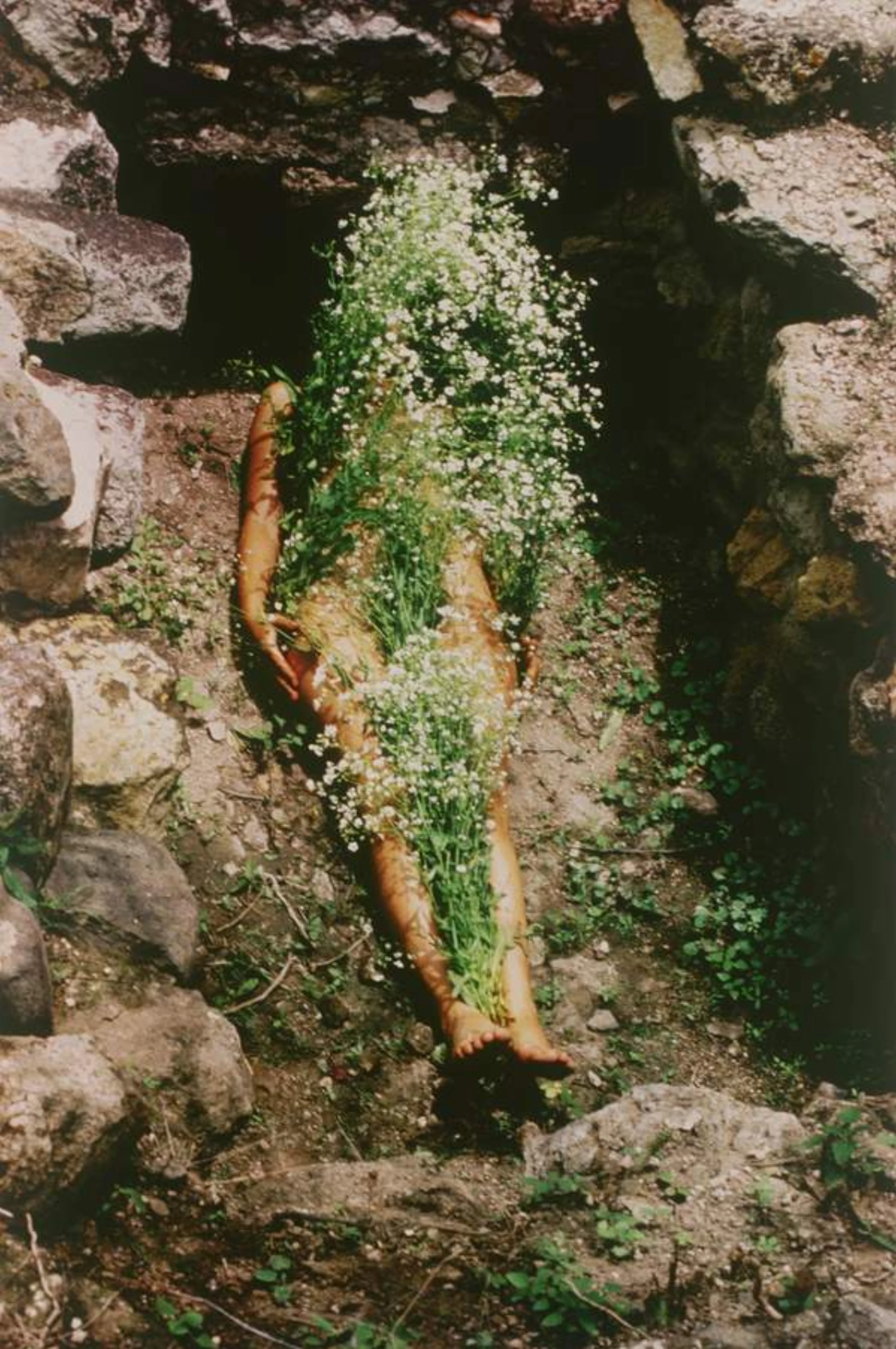
That means clicking through to institution calendars immediately. If a preview flags Ana Mendieta at Tate Modern, Laure Prouvost at Grand Palais, Carolina Caycedo at MASP, or a major contemporary Indigenous survey at the National Gallery of Canada, stop relying on the preview’s framing and study each institution’s own language, schedule, and surrounding program. A list gives you names. The museum gives you scale, context, hours, ticketing, and whether a show is actually worth structuring a trip around.
The point is not to become dutiful. It is to stop consuming previews the way social media trains people to consume culture: as proof of awareness. Awareness is cheap. Travel is not. Attention is not. A serious itinerary begins when you decide which two or three exhibitions could still matter after the season’s hype has burned off.
Choose a Spine for the Trip Instead of Chasing Everything
The fastest way to waste a summer art trip is to build it around quantity. The better move is to choose a spine. That spine might be a single artist, a medium, a regional cluster, or a political theme. Maybe it is land and ecology, which would connect shows by Saraceno, Caycedo, and Mendieta. Maybe it is the relation between blockbuster retrospectives and biennial sprawl. Maybe it is the problem of how institutions stage Indigenous or diasporic histories for broad audiences. Once the spine is clear, the itinerary becomes an argument instead of a scavenger hunt.
This is where many preview lists quietly mislead readers. They flatten unlike things into equal invitations. A major retrospective, a city biennial, an emerging-artist survey, and a thematic group show do not demand the same kind of time. Treating them as comparable checkboxes is how cultural tourism turns into blur. If the season offers forty-six possibilities, that is an argument for editing harder, not for moving faster.
A good spine also protects you from prestige autopilot. It is easy to default to the biggest museum names and most Instagrammable venues. It is harder, and often more rewarding, to choose an itinerary that clarifies a question you genuinely care about. Why is Ana Mendieta being staged now, in this institutional register? What does Manifesta look like when the Ruhr becomes its operating terrain? How are museums handling the demand for public spectacle while claiming deeper critical purpose? Build around questions like that and the trip starts to earn itself.
Read the Calendar Like a Logistics Document
Once you have a spine, logistics stop being boring and become interpretive. Opening and closing dates matter because they affect crowds, press cycles, and the amount of time a museum has had to settle into its own show. A heavily promoted exhibition in its first week can feel socially electric and visually impossible. The same exhibition a month later may offer better looking conditions and richer secondary commentary. Check hours, member previews, timed-entry rules, and whether adjacent institutions are closed on the day you planned to cluster them.
artworld.today covered the politics of ticketing recently in our guide to blockbuster museum pricing, and the lesson applies here. Price is not only a budget line. It signals demand management, audience strategy, and how hard an institution expects to monetize scarcity. If you see premium weekend pricing, limited slots, or paid surcharges for popular exhibitions, read those as structural facts about how the museum wants you to move through the show.
Travel sequencing matters too. If you are moving between London, Paris, and the Ruhr, or between New York and regional destinations, ask whether transit time is stealing the concentration you claim to value. A trip overloaded with trains, airports, and rushed lunches often produces less insight than a smaller, more local plan with time to return to the strongest room twice. Repetition is underrated. Some shows need a second pass after the first wave of orientation.
Do not ignore the institution’s surrounding architecture either. A crowded museum can exhaust you before you reach the galleries that matter. A sprawling biennial can become all circulation and no thought. Read floor plans, satellite venues, and neighborhood clusters before you book. The body is part of the itinerary whether critics admit it or not.
Use Biennials and Surveys Differently From Retrospectives
Retrospectives and biennials demand opposite viewing strategies. A retrospective usually rewards depth, chronology, and return. You want time for development, recurrence, dead patches, and the one room where the exhibition’s thesis finally sharpens. That is especially true for artists like Mendieta, whose work changes meaning when seen across formats, geographies, and institutional framings. A retrospective should slow you down.
Biennials and large surveys work differently. They are often strongest when approached as fields rather than masterpieces. You are not trying to metabolize every object at equal intensity. You are trying to identify recurring curatorial obsessions, unevenness, infrastructural pressure points, and the few works that reorganize the surrounding noise. In other words, you should go into a biennial expecting structure, not completion.
That difference should shape your itinerary. Pair a retrospective day with lighter evening obligations. Pair a biennial day with strategic exits, food, and room for selective skipping. The worst thing you can do is bring the same cognitive tempo to every format. The season becomes much more legible once you stop pretending all exhibitions ask for the same kind of attention.
This is also why internal comparison helps. If you are reading a blockbuster retrospective after a crowded group show, ask what each institution thinks spectatorship is for. One may encourage historical revision. Another may reward spectacle and circulation. A serious itinerary does not merely visit both. It studies the difference between them.
Leave Room for One Smaller Institution That Changes the Reading
The most intelligent summer trips usually include one stop that resets the scale of the whole season. After major museums and major lists, find a smaller institution, kunsthalle, archive, or project space that complicates the blockbuster logic. It may not dominate the press cycle, but it can rescue your itinerary from becoming a prestige relay. Smaller institutions often reveal what larger ones smooth over: local stakes, curatorial risk, awkward architecture, less market insulation, and exhibitions not engineered for maximum tourism throughput.
This is where preview lists are weakest, because they are built to summarize visibility rather than to deepen it. Your job is to supplement the list with asymmetry. That smaller stop may end up clarifying the larger museums by contrast. It may show you what gets lost when every institution chases global scale, social-media readiness, and crowd-friendly branding.
Even if you never leave major institutions, you can still create that corrective by reading one show against another more critically. artworld.today’s recent guide on museum governance and cultural politics made the point that institutions are not neutral containers. Apply that here. Ask what each museum is trying to prove this summer, and to whom.
End the Trip by Editing Your Own Memory
The final step is the one most people skip: editing the trip after it happens. Before you move on, write down which exhibition actually held, which one collapsed under its own branding, and which work stayed with you after the airport. A summer itinerary is successful only if it leaves behind a structure of thought, not just ticket stubs and camera-roll evidence. You are trying to remember more sharply, not simply accumulate more content.
One more practical rule helps: build in deliberate emptiness. Leave one morning, afternoon, or evening unscheduled so the trip can absorb weather, transit failure, unexpected exhaustion, or the simple fact that one exhibition may deserve longer than you planned. Overplanned itineraries turn museums into deadlines. A little blank space protects the possibility of thought, which is the whole reason to travel for art in the first place.
That retrospective edit is also how you improve the next season. You begin to notice whether you habitually overbook, whether you underestimate travel fatigue, whether you need more single-artist shows and fewer thematic surveys, or whether biennials are only useful to you in smaller doses. A serious itinerary is not a performance of cultural breadth. It is a method for learning what kind of looking produces actual returns.
The point of a summer museum itinerary is not to see everything. It is to see enough with enough concentration that the season acquires shape. Preview lists can help with that, but only after you stop treating them as commands. Use them as raw material, build a spine, read the calendar hard, and leave enough room for the unexpected show that rewrites the whole trip. That is when a season stops being content and starts becoming criticism.