How to Read Blockbuster Museum Ticket Pricing in 2026
High museum ticket prices are not just about cost recovery. They reveal how institutions rank access, tourism, prestige and the kind of public they want to serve
Start by asking what the institution thinks the ticket is actually buying
When museum ticket prices jump, institutions usually reach for a familiar vocabulary: conservation is expensive, visitor services need investment, demand is high and world-class experiences require world-class infrastructure. Some of that is true. But ticket prices are never neutral reflections of cost. They are decisions about what kind of encounter the museum is selling and what kind of public it is prepared to imagine. A $12 ticket and a $45 ticket do not simply indicate different accounting lines. They imply different theories of value, scarcity and belonging.
The latest Bayeux Tapestry pricing story is useful precisely because it makes this dynamic impossible to ignore. As ARTnews reported, tickets associated with the tapestry's future museum presentation could reach about $45. Whether or not that figure is the final settled number, it points toward a broader reality: museums are increasingly pricing not only against cost but against the prestige value of controlled access. Once you see that, ticket pricing becomes one of the clearest diagnostic tools available for reading institutional ideology.
That is especially true for heritage-heavy sites and blockbuster exhibitions, where the object on view already carries immense symbolic weight. The more famous the work, the easier it becomes for an institution to present premium pricing as common sense. The public expects scarcity, queues and anticipation, so pricing starts to look like natural weather rather than policy. Smart readers should resist that framing from the start.
Look at redevelopment and capital strategy before you look at the number alone
A headline ticket figure tells you very little unless you place it beside the institution's capital programme. New wings, gallery refurbishments, visitor-centre expansions and major rehanging campaigns all create financial pressure, but they also create ambition. Museums that rebuild do not only want to solve old problems. They usually want to reposition themselves within a hierarchy of destinations. The result is that ticket prices often begin reflecting a museum's self-image as much as its budget.
That is why the Bayeux Museum redevelopment language matters so much in the current debate. The institution is openly preparing the public for a newly redeployed tapestry museum and a future opening in 2027. Once a museum frames itself as renewed, reimagined or transformed, admission pricing often follows the logic of that transformation. The ticket ceases to be entry to a collection and becomes entry to an upgraded experience. Readers who have followed our guide to museum capital gifts will recognise the pattern. Capital projects are usually described as public benefit while quietly preparing the ground for more stratified access.
Whenever you see a high ticket price, ask what construction, fit-out, interpretation or visitor-flow agenda sits behind it. The institution may be trying to cover real costs. It may also be using its capital narrative to justify a broader shift toward premium destination status. Those are not identical things, and they should not be discussed as if they were.
Ask which public the museum is treating as normal
Every price point implies an ideal visitor. A museum may say it welcomes everyone, but its ticketing structure often reveals who it actually expects to show up. Is the normal visitor a local family, a school group, an international tourist, a member, a retiree with schedule flexibility or a high-income traveller for whom an expensive ticket barely registers? The raw price matters because it filters which of those publics can behave spontaneously and which must plan, defer or opt out.
Blockbuster pricing often privileges the visitor who treats culture as a premium itinerary item. That does not mean local audiences disappear, but it does mean their relationship to the institution changes. A place that once felt like part of civic life becomes something closer to a periodic purchase. That shift can happen gradually enough that museums never have to name it directly. They simply add timed entry, dynamic pricing, bundled experiences and premium categories until the idea of casual public access starts to look old-fashioned.
This is where ticket policy intersects with tourism. Museums located in cities or regions with strong visitor economies can tell themselves that high prices are acceptable because many visitors are already spending on hotels, transport and meals. But the moment a museum lets the tourist wallet become its default metric, it begins reorganising access around an outsider's spending capacity rather than a resident's claim on shared culture. That may be economically rational. It is not politically neutral.
Do not be distracted by digital access. It often coexists perfectly well with physical exclusion.
Museums increasingly widen online access at the same time they increase the prestige of in-person experience. They digitise archives, publish collection essays, offer virtual tours and celebrate educational reach. These are real gains. They also make it easier for institutions to defend expensive physical access. The implicit bargain is straightforward: everyone can learn something online, but the aura of being there in person becomes a scarcer and more premium good.
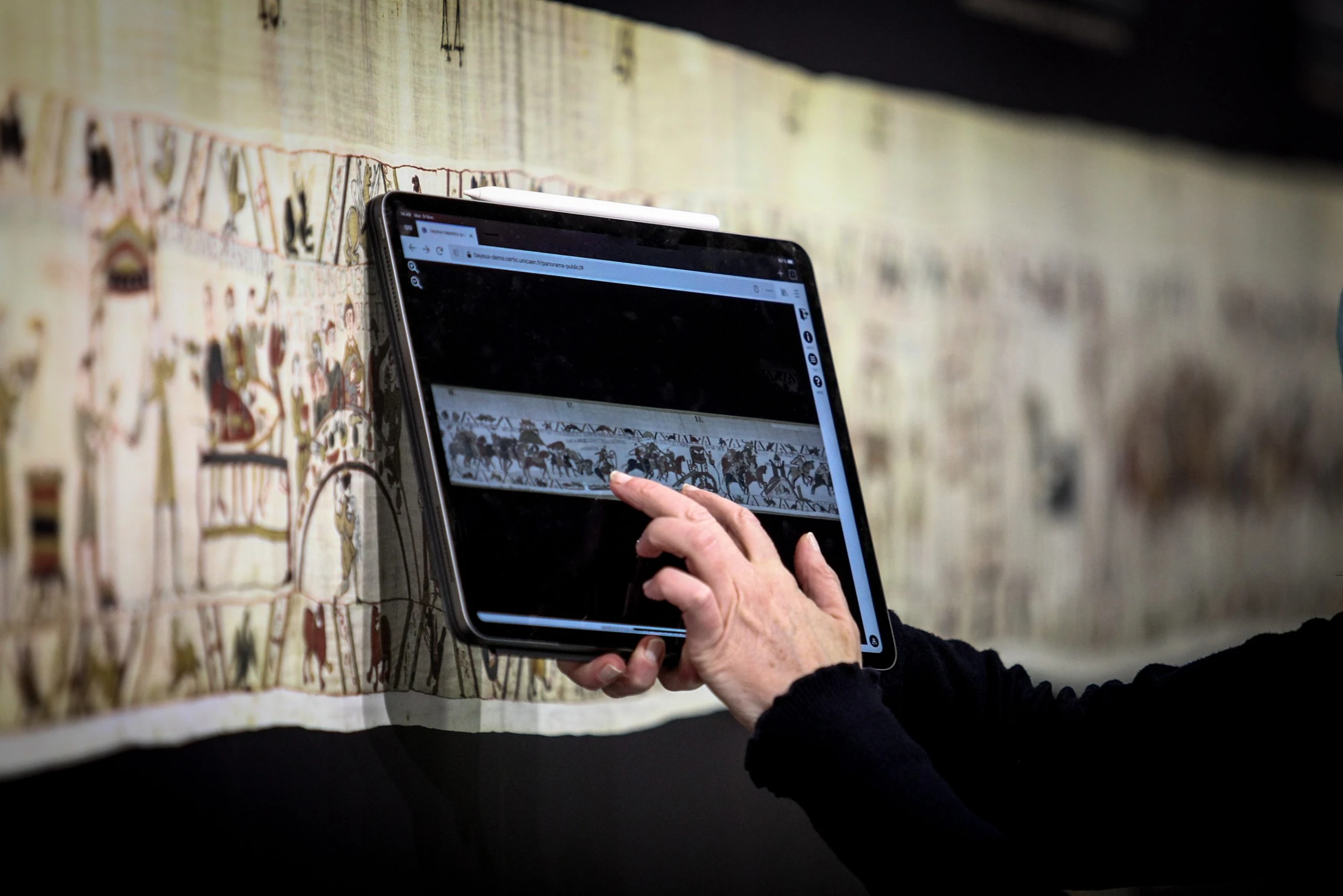
The Bayeux Museum's emphasis on scene-by-scene digital access to the tapestry is a perfect example of this structure. Remote access is expanded through technology while the live encounter becomes more tightly managed and potentially more expensive. That is not a contradiction from the museum's perspective. It is a mature access model for the platform era. Digital circulation broadens visibility; pricing preserves the specialness of embodied attendance.
Readers should therefore stop treating online availability as a full moral offset for high admission. It is helpful, but it does not answer the central question of who gets to stand before the object, in the building, under the institution's chosen terms. A museum can be digitally generous and physically exclusionary at the same time. In fact, that combination is becoming increasingly common.
Interrogate the discounts, free days and bundled categories instead of accepting them as proof of fairness
Whenever a high ticket price draws criticism, institutions tend to point toward student rates, local passes, free evenings, youth categories or bundled admissions. Sometimes those measures are meaningful. Sometimes they are decorative ethics wrapped around a premium core. The key is to ask how usable they really are. Are free days frequent enough to matter? Are the time slots desirable or marginal? Do local-discount systems require cumbersome proof? Are family bundles still too expensive once travel and food are added?
These details often reveal more than the headline figure. A museum with a high top-line price but robust, easy-to-use concession architecture may still be serious about access. A museum with a slightly lower headline figure but thin discounting and highly managed time slots may be more exclusionary in practice. This is why you should always ask to see the full access model. The moral politics of pricing live in the fine print.
That same scrutiny should extend to membership. Membership can democratise repeat access for local users, or it can create a two-tier system where those with upfront disposable income buy their way out of scarcity. Museums like to present membership as community support. It is often that. It is also a mechanism for sorting the public into faster and slower lanes.
Compare ticket pricing with the institution's public language about mission
A museum's price structure should always be read against its own rhetoric. If an institution talks constantly about access, shared heritage and civic education while setting admission at a level that makes repeat visitation unrealistic for many people, there is a contradiction worth naming. Not every contradiction is fatal. Museums live with mixed mandates. But the comparison is still the fastest way to see where mission language ends and revenue language begins.
This is one reason ticket stories belong alongside institutional-governance reporting. Readers who have spent time with our museum funding crisis guide or our guide to political pressure on museums will recognise the logic. Public-facing language is usually idealistic. Operational choices are where the institution tells the truth about what it can tolerate and whom it is built to serve.
Ticket pricing is especially revealing because it compresses that truth into one tangible decision ordinary visitors immediately understand. Not everyone can parse endowment policy, debt structure or board politics. Everyone understands a number at the box office. That is why pricing debates matter so much. They are one of the few moments when museum ideology becomes legible outside professional circles.
Finally, ask whether scarcity is being managed or manufactured
Some scarcity is real. Fragile objects, small galleries and popular shows do require limits. But museums can also manufacture a sense of scarcity because scarcity helps justify higher prices, premium slots and destination urgency. Timed entry, exclusive previews, VIP pathways and language about once-in-a-generation viewing opportunities all contribute to an atmosphere in which high pricing feels natural rather than chosen.
Your task as a reader is to distinguish conservation-driven limits from branding-driven scarcity. Does the museum explain clearly why visitor numbers must be constrained? Does it publish meaningful information about capacity, preservation and access design? Or does it rely on the aura of prestige itself to normalise the price? The less specific the explanation, the more likely the institution is asking you to confuse cultural importance with premium entitlement.
That is the broader lesson of blockbuster museum ticket pricing in 2026. The number is never just the number. It is a compact expression of how an institution thinks about demand, class, tourism, stewardship and its own place in the cultural hierarchy. Read it that way and you will learn far more from a ticket announcement than from a dozen mission statements. Ignore it and you will miss one of the clearest places where the museum tells you what it really is.