How to Judge a Gallery Weekend in 2026
Gallery weekends are everywhere. This guide shows how to tell whether one creates real public value or just a crowded, self-flattering art-world loop.
Start by Asking What Problem the Gallery Weekend Claims to Solve
The first question is basic and often skipped: what problem is this gallery weekend supposed to solve? Some cities use the format to gather a scattered scene into one legible map. Others use it to counter fair fatigue, rebuild local attendance or attract curators who might otherwise not make the trip. In London, the current version of the argument has been shaped by Artnet's diagnosis that the event must make the case for art to broader publics, not just to insiders. That is a good starting point because it rejects the empty assumption that a weekend is valuable simply because many galleries coordinate their hours.
If an event cannot explain its purpose in one or two concrete sentences, it is probably operating on autopilot. That does not automatically make it bad, but it does make it easier for hype to substitute for outcomes. A serious gallery weekend should be able to say whether it is trying to drive neighborhood traffic, deepen institutional crossover, widen public access, support emerging spaces or create a civic case for the gallery sector itself. Those goals are different, and they require different programming choices. When organizers blur them together, the event usually ends up optimized for photos, not consequences.
Track Whether the Weekend Changes the Way You Move Through a City
The strongest gallery weekends alter spatial behavior. They encourage visitors to cross districts they would normally ignore, compare programs across commercial tiers and experience a city as an ecosystem rather than a list of appointments. That is one reason the format can still matter in places already dense with art. A weekend should not merely compress what regulars would have done anyway. It should reorganize attention. Official routes, transport guides, partnerships and public programming all matter here. If the map leaves smaller districts invisible or asks too much unpaid labor from visitors to connect the dots, the weekend is not solving geography. It is outsourcing it.
Look at the supporting infrastructure. Does the event provide a usable guide on its own site, such as the one offered by London Gallery Weekend? Are there anchor institutions nearby, like the Serpentine Galleries, that help pull a broader public into the conversation? Are neighborhood clusters curated in ways that create narrative rather than just density? The answer shows whether the event thinks like urban infrastructure or a marketing overlay. Good weekends reduce friction without flattening difference.
Judge the Programming Mix, Not Just the Number of Participants
Gallery weekends love large participation figures because scale sounds like legitimacy. It is a weak metric on its own. What matters more is the mix of programming. Are galleries showing defining work, launching meaningful exhibitions and pairing them with talks, performances or community-facing formats? Or are they leaning on familiar names, light refreshments and the fantasy that foot traffic alone equals value? A weekend should allow distinctions to become sharper, not blurrier. When every gallery tries to be maximally approachable in the same generic way, the event often becomes harder to read, not easier.
This is where curatorial confidence shows. The most persuasive weekends let different scales of gallery be visibly different from one another while still feeling part of a shared civic proposition. A younger space might use the weekend to foreground a difficult exhibition and a live conversation with artists. A blue-chip gallery might use it to test whether museum-quality installation and public accessibility can coexist without turning the show into pure spectacle. If both approaches are legible, the weekend starts to feel like a city making an argument through many voices rather than a trade fair dispersed across real estate.
Watch for Signs of Real Public Access Rather Than Insider Choreography
One reliable failure mode is insider choreography disguised as openness. Galleries say everyone is welcome, but the event still feels designed for the same rotating cast of collectors, press and art workers. You can usually tell by how information is written, where events are scheduled and whether first-time visitors are given any real interpretive support. Public access is not achieved by removing a ticket price alone. It requires language, timing and hospitality that assume new audiences matter. If panels happen only during work hours, if maps presume prior knowledge, or if staff treat unfamiliar visitors as accidental, the event is not truly public.
A good check is whether the weekend connects to educational or civic institutions that already serve wider communities. Public museums, art schools, libraries and local nonprofits can extend the event's reach and make the city's cultural ecology more visible. We have seen adjacent lessons in our coverage of how museums are being tested as public actors. Galleries do not need to become museums, but they do need to think harder about how they enter public life if they want weekends like this to count as more than concentrated trade promotion.
Measure Institutional and Long-Tail Effects After the Crowd Clears
The useful verdict comes after the weekend, not during it. Did museums, curators or foundations deepen relationships with galleries that are not already overexposed? Did smaller spaces gain press that changes their position? Did local visitors return later in the month? Did the event generate partnerships, commissions or educational follow-through? These are harder to see than the opening crowd, which is why they matter more. A weekend that feels lively but leaves no durable trace may still be enjoyable. It is just not structurally important.
Long-tail effects also reveal whether the event supports the broader business reset many galleries are now attempting. Our earlier guide to London's gallery-sector reset argued that resilience increasingly depends on sharper use of exhibitions, artist infrastructure and institutional relationships. A gallery weekend should strengthen those elements, not distract from them. If it pulls resources toward short-lived optics while exhausting staff and artists, the weekend may be more parasitic than helpful.
Use the City Itself as Evidence
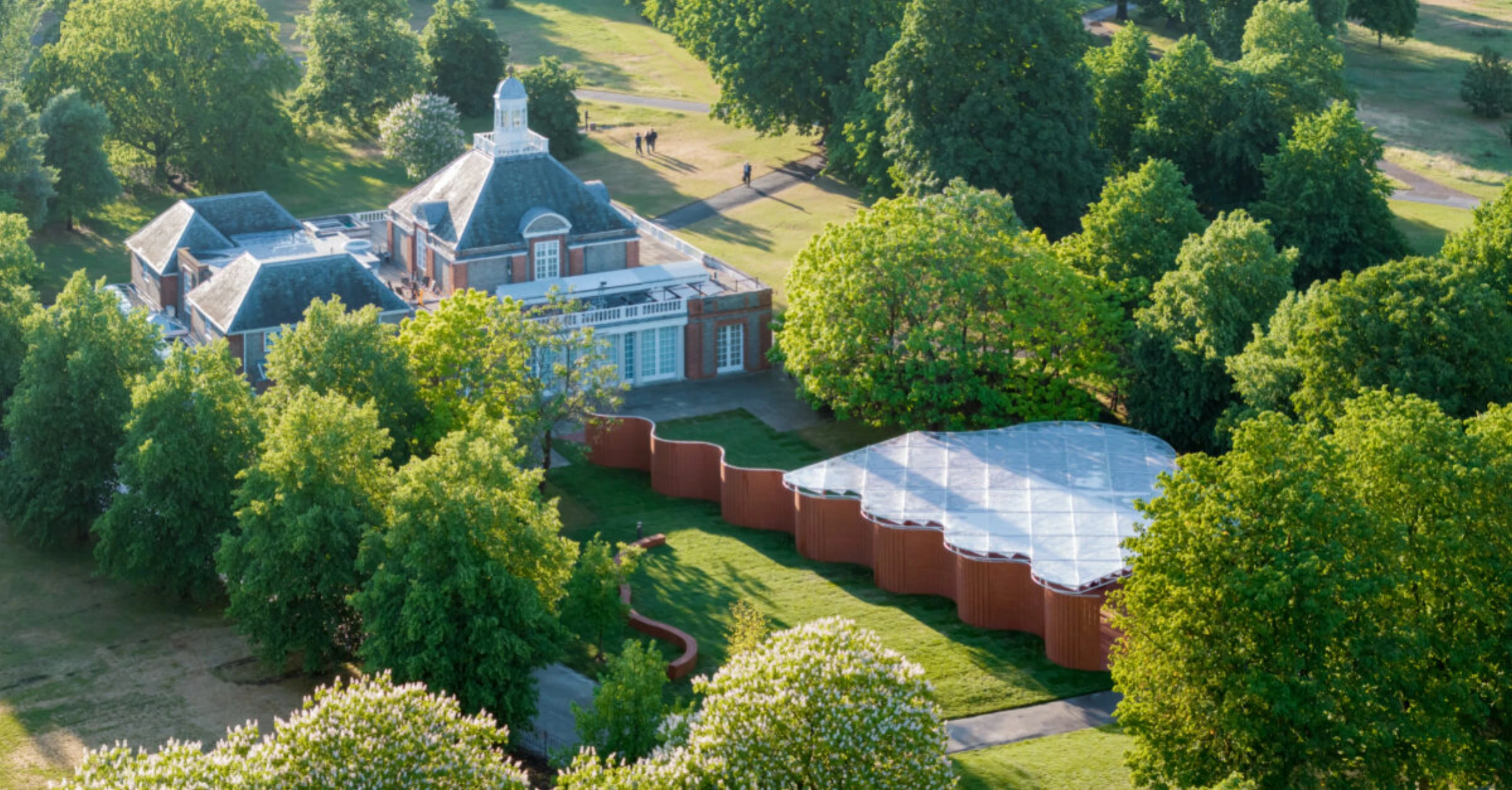
The city will usually tell you whether the event has substance. Are local restaurants, bookstores, public spaces and transport nodes visibly part of the flow, suggesting that the weekend has broken out of a closed professional circuit? Do conversations spill into places where art is not normally centered? Does the event intersect with other public cultural moments, such as pavilion openings, museum programs or academic calendars? In London this year, the broader ecosystem includes high-visibility destinations like the Serpentine Pavilion 2026, which helps frame the city as a public cultural landscape rather than a chain of private rooms.
That wider evidence matters because a gallery weekend should leave a reader with a clearer sense of how a city's art world functions in relation to everything around it. If the event only confirms that galleries can gather their own people efficiently, the concept has hit a ceiling. If it exposes new routes, new constituencies and new reasons for the civic sphere to take galleries seriously, then the format still has life in it.
The Sharpest Question: Who Benefits if the Weekend Works?
In the end, the best way to judge a gallery weekend is to ask who benefits if it succeeds. If the answer is only dealers and their existing clients, then the event may still be profitable but it will struggle to justify its public framing. If the answer includes artists, neighborhood audiences, regional institutions, students and the city's wider cultural politics, then the event has a stronger claim on attention. Success should widen the circle of consequence.
This is why gallery weekends remain worth scrutinizing rather than dismissing. They compress the larger contradictions of the contemporary art system into one visible format. You can see how a city imagines culture, how galleries imagine their publics and how much real confidence exists behind the branding. That makes the weekend useful even when it falls short. It becomes evidence.
One final test is whether the event leaves organizers and galleries with better knowledge about their own publics. If the only lesson learned is that a lot of people showed up when openings were synchronized, the event has learned almost nothing. If it yields clearer data about where visitors traveled, which programs held attention, what kinds of interpretation helped newcomers stay engaged and which neighborhoods benefited from spillover, then the weekend starts to function as research as well as promotion. That information can shape future exhibitions, partnership strategies and public arguments for support. In a cautious market, that kind of knowledge is an asset, not a footnote.
So the next time you hear that a gallery weekend was packed, buzzy or globally attended, treat those descriptions as the start of analysis, not the conclusion. The better question is whether the event made the city's gallery scene more legible, more public and more worth defending after the music stopped. If it did, it succeeded. If not, it was just another crowded weekend with better fonts.
That is the standard worth keeping. A gallery weekend should clarify a city's cultural structure, not just intensify its social calendar. When it helps newcomers understand where power sits, where experimentation lives, how institutions intersect with commerce and which publics are still being left outside the frame, it becomes genuinely useful criticism in event form. That is much rarer than promotional language suggests, and exactly why these weekends deserve to be judged with harder questions.