How Emerging Galleries Launch Artists Into Institutions
A guide to the pathways young galleries use to propel artists from obscurity to biennials, museum collections, and institutional recognition
The Role of Emerging Galleries in the Art Ecosystem
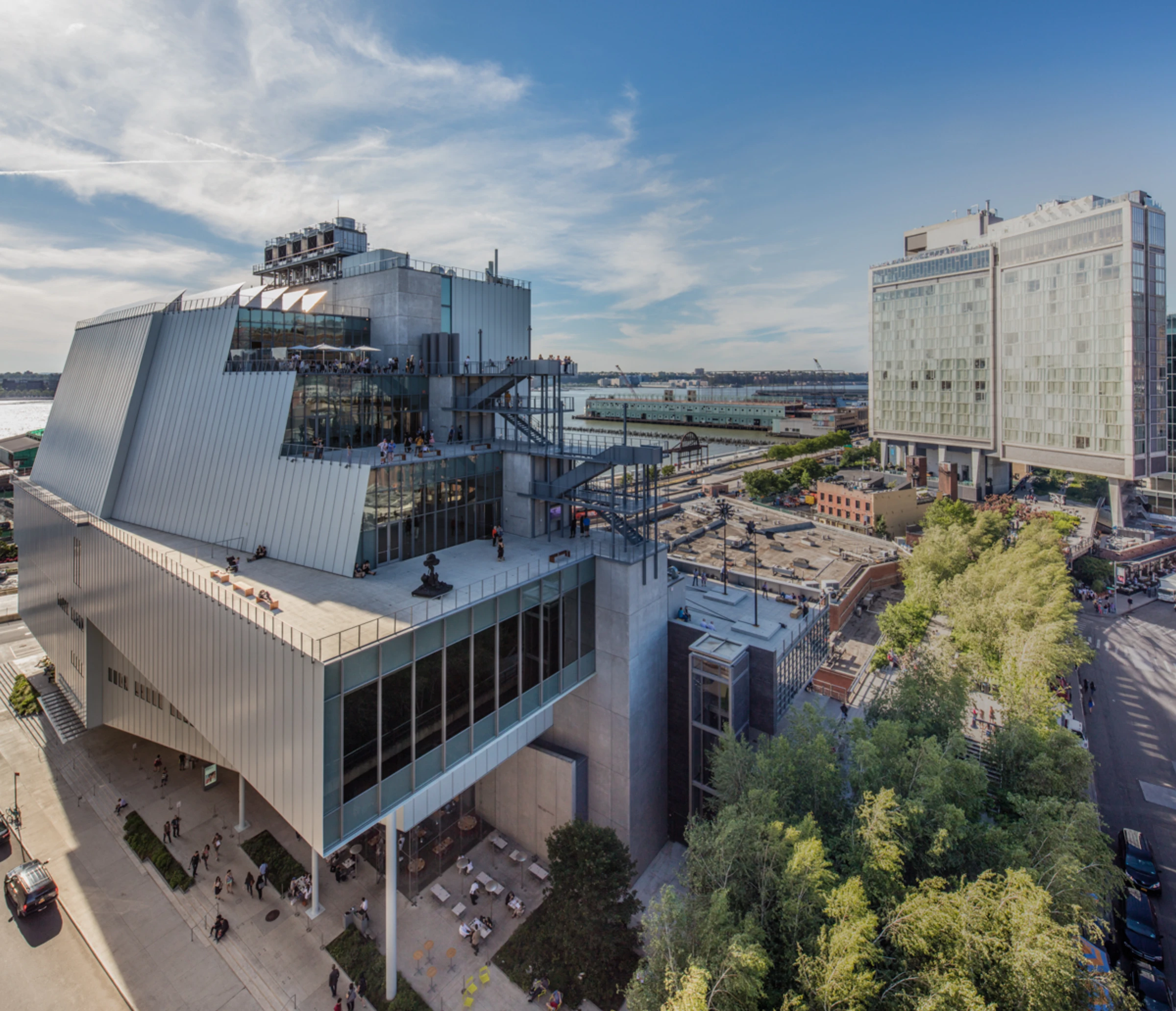
Emerging galleries serve a function that larger, established galleries often cannot or will not perform: they take risks on artists who lack institutional track records, commercial followings, or market validation. This function is critical to the health of the broader art world. Without young galleries willing to mount exhibitions that may not sell, many of the artists who eventually define their generations would remain invisible. The recent example of David Peter Francis, a Chinatown gallery founded in 2024 by 31-year-old David Pagliarulo, illustrates how this process works in practice. Two of the gallery's artists appeared in the 2026 Whitney Biennial, and a third is featured in the Venice Biennale.
The structural reason emerging galleries matter is straightforward. Major galleries, particularly those with multiple locations and large payrolls, tend to sign artists who have already achieved institutional recognition or demonstrated commercial viability. This creates a gap: artists who are talented but under-recognized need a platform to build the exhibition history, critical attention, and collector base that will eventually attract larger representation. Emerging galleries fill that gap. They are the farm teams of the art world, though the analogy understates their cultural importance. A farm team develops players for a parent club. An emerging gallery develops artists whose careers may ultimately surpass anything the gallery itself can contain.
Understanding how this process works is valuable for artists seeking representation, collectors looking to identify talent early, and anyone interested in how the art world's attention mechanisms operate. This guide examines the specific strategies that emerging galleries use to launch artists into institutional recognition, the challenges they face, and the signals that indicate a gallery is building something lasting rather than chasing short-term attention.
How Emerging Galleries Identify and Recruit Artists
The most effective emerging galleries build their rosters through research, conviction, and direct outreach rather than waiting for submissions. Pagliarulo discovered Pat Oleszko, now a Whitney Biennial standout and Bucksbaum Award winner, through her inclusion in a 2020 group show at a now-defunct gallery. He cold-emailed her. She initially brushed him off. He persisted. The exchange that eventually won her trust was not a polished pitch but a pun: he signed an email "Day Bed" instead of David, and Oleszko, who has a lifelong fondness for wordplay, was charmed.
This anecdote reveals something important about how artist-gallery relationships form at the emerging level. It is rarely a formal process. It depends on the gallerist's eye, their willingness to pursue artists who may not be on anyone else's radar, and their ability to build genuine personal rapport. The artists who benefit most from emerging gallery representation are often those who have been overlooked by the market for reasons that have nothing to do with the quality of their work: they are too old, too young, too difficult to categorize, or working in media that do not fit neatly into commercial frameworks.
For artists seeking representation, the implication is clear. Getting noticed by an emerging gallerist often depends less on having a polished portfolio package and more on being visible in the contexts where gallerists look: group shows, open studios, performance spaces, and online platforms. The Whitney Museum and similar institutions regularly survey gallery exhibitions when researching artists for biennials and group shows. Being visible in a thoughtful emerging gallery program can place an artist on institutional radar in ways that solo applications and open submissions cannot.
The Exhibition Strategy That Builds Institutional Attention
Emerging galleries that successfully launch artists tend to share a curatorial approach: they prioritize coherent, ambitious exhibitions over commercial safety. This means mounting shows that may not sell well but that generate critical attention, press coverage, and institutional interest. Pagliarulo's January 2026 show "Snake, Turtle, Alligator" centered on drawings by Bryan LaPlante, a security guard who doodled during postwar US government meetings about atomic weaponry. The show was not a commercial proposition. It was a curatorial argument about what counts as art and who gets to make it.
That kind of programming attracts attention from curators, critics, and other artists. Institutional curators regularly monitor emerging gallery exhibitions, particularly in New York, Los Angeles, London, and Berlin. A show that takes a curatorial risk and executes it well can put a gallery on the map faster than a dozen safe exhibitions of market-friendly work. The key is that the risk must be genuine: the gallery must be showing work it actually believes in, not work it is showing ironically or strategically.
The exhibition program at David Peter Francis also demonstrates the importance of mixing known and unknown artists. The gallery's opening show included Peter Hujar, a historically significant photographer, alongside Gonzalo Reyes Rodriguez and Lucas Odahara, who were less established. This juxtaposition benefits emerging artists by associating them with a recognized name, and it benefits the gallery by signaling curatorial seriousness. Collectors and curators who come for the known artist discover the unknown ones in the same space. For guidance on how institutions evaluate exhibitions, the ARTnews coverage of gallery openings and biennial selections provides useful patterns.
From Gallery Show to Biennial Selection
The path from an emerging gallery exhibition to a major biennial or museum show is not linear, but it follows recognizable patterns. Biennial curators typically spend a year or more visiting galleries, studios, and exhibitions, building a long list of potential artists. Emerging galleries that consistently mount thoughtful, ambitious shows become regular stops on this circuit. The Whitney Biennial, for example, relies on a combination of curatorial research, external advisors, and open nominations. Artists represented by emerging galleries that have built curatorial reputations are more likely to be visited and considered.
The case of Pat Oleszko is instructive. She had not had a New York solo show since 1990 before Pagliarulo mounted her exhibition at David Peter Francis in June 2024. That show led to a retrospective at SculptureCenter in January 2026, which led to her inclusion in the Whitney Biennial, which led to the Bucksbaum Award. Each step created the conditions for the next. The gallery exhibition was the catalyst that restarted a career that had been dormant for decades.
For artists, this means that the choice of gallery matters enormously. An emerging gallery with curatorial vision and institutional relationships can accelerate a career in ways that a larger gallery with less personal attention cannot. The trade-off is financial: emerging galleries typically have smaller collector bases and lower sales volumes. Artists who prioritize institutional recognition over short-term income may benefit from emerging gallery representation, particularly early in their careers. The Artforum reviews of emerging gallery shows can provide a sense of which spaces are generating critical attention.
The Financial Realities and How Galleries Survive
The most pressing challenge for emerging galleries is financial. Rents in New York, London, and other major art cities are high. Art fair participation fees can exceed $50,000 per fair. The cost of producing exhibitions, including insurance, shipping, installation, and marketing, adds up quickly. A gallery that shows artists with limited commercial followings may operate at a loss for years before its program generates sustainable revenue.
Successful emerging galleries typically diversify their revenue streams. They participate in art fairs that cater to collectors interested in emerging work, such as Independent, NADA, and Felix Art Fair. They cultivate relationships with progressive collectors who are willing to buy work before it has been institutionally validated. They apply for grants and nonprofit partnerships. Some emerging galleries operate as hybrid spaces, combining commercial exhibitions with nonprofit programming that can receive institutional funding.
The consolidation of the art market around a handful of mega-galleries has made it harder for emerging galleries to compete for artists who achieve breakthrough success. When an artist's market heats up, larger galleries often offer representation with promises of global reach, bigger budgets, and higher visibility. Emerging galleries that have invested years in developing an artist may lose them just as the investment begins to pay off. This dynamic is a structural feature of the art market, not a moral failing. Emerging galleries that understand this reality focus on building programs that are valuable to artists for reasons beyond money: curatorial vision, personal relationships, and the freedom to take risks that larger galleries cannot afford.
Signals That an Emerging Gallery Is Building Something Lasting
For collectors, artists, and observers trying to identify emerging galleries with staying power, several signals are worth watching. First, look at the exhibition program over time. Does the gallery show the same artists repeatedly, building their careers over multiple exhibitions? Or does the roster change constantly, suggesting a lack of commitment? David Peter Francis has consistently shown Lucas Odahara and Gonzalo Reyes Rodriguez across multiple exhibitions, indicating a long-term investment in specific artists.
Second, look at institutional attention. Are gallery artists appearing in museum group shows, biennials, or receiving critical reviews in serious publications? Institutional attention is both a result of and a contributor to a gallery's reputation. Curators talk to each other, and galleries that consistently present strong work become known within curatorial networks. The Art Newspaper and similar publications regularly track which galleries are placing artists in institutional contexts.
Third, look at the gallery's willingness to show work that challenges commercial conventions. Galleries that only show market-friendly work may survive longer but rarely build lasting cultural significance. Galleries that take genuine curatorial risks, like mounting a show centered on a security guard's Cold War-era doodles or giving a first New York solo show in 35 years to a 79-year-old performance artist, are making bets on cultural value rather than immediate sales. When those bets pay off, as they have for David Peter Francis, the gallery's reputation benefits alongside the artists' careers.
Finally, consider the gallerist's own trajectory. Dealers who come from gallery backgrounds, as Pagliarulo did through Fort Gansevoort, Chart, and Marinaro, bring institutional knowledge and professional networks that self-taught gallerists may lack. The apprenticeship model of learning the gallery business by working inside established operations remains the most reliable path to building a successful emerging gallery. The relationships formed during those years, with artists, curators, and collectors, become the foundation on which a new gallery is built.