Guide to Contemporary Art in Historic Museum Collections
How museums are putting contemporary artists in dialogue with old master paintings, from Dulwich to the Frick, and why these juxtapositions matter
Why Contemporary Art Belongs in Historic Museums
The practice of putting contemporary art in dialogue with historic collections has become one of the most significant trends in museum programming over the past two decades. From the Dulwich Picture Gallery in London to the Frick Collection in New York, museums are increasingly inviting contemporary artists to create new work in response to their historic holdings, hanging contemporary pieces alongside old master paintings and creating exhibitions that bridge centuries of artistic practice. The trend reflects a shift in museum practice that treats historic collections not as sealed time capsules but as living resources that can generate new meanings when placed in conversation with contemporary art. For visitors, these exhibitions offer a way to see familiar works with fresh eyes, discovering connections and continuities that might otherwise remain invisible.
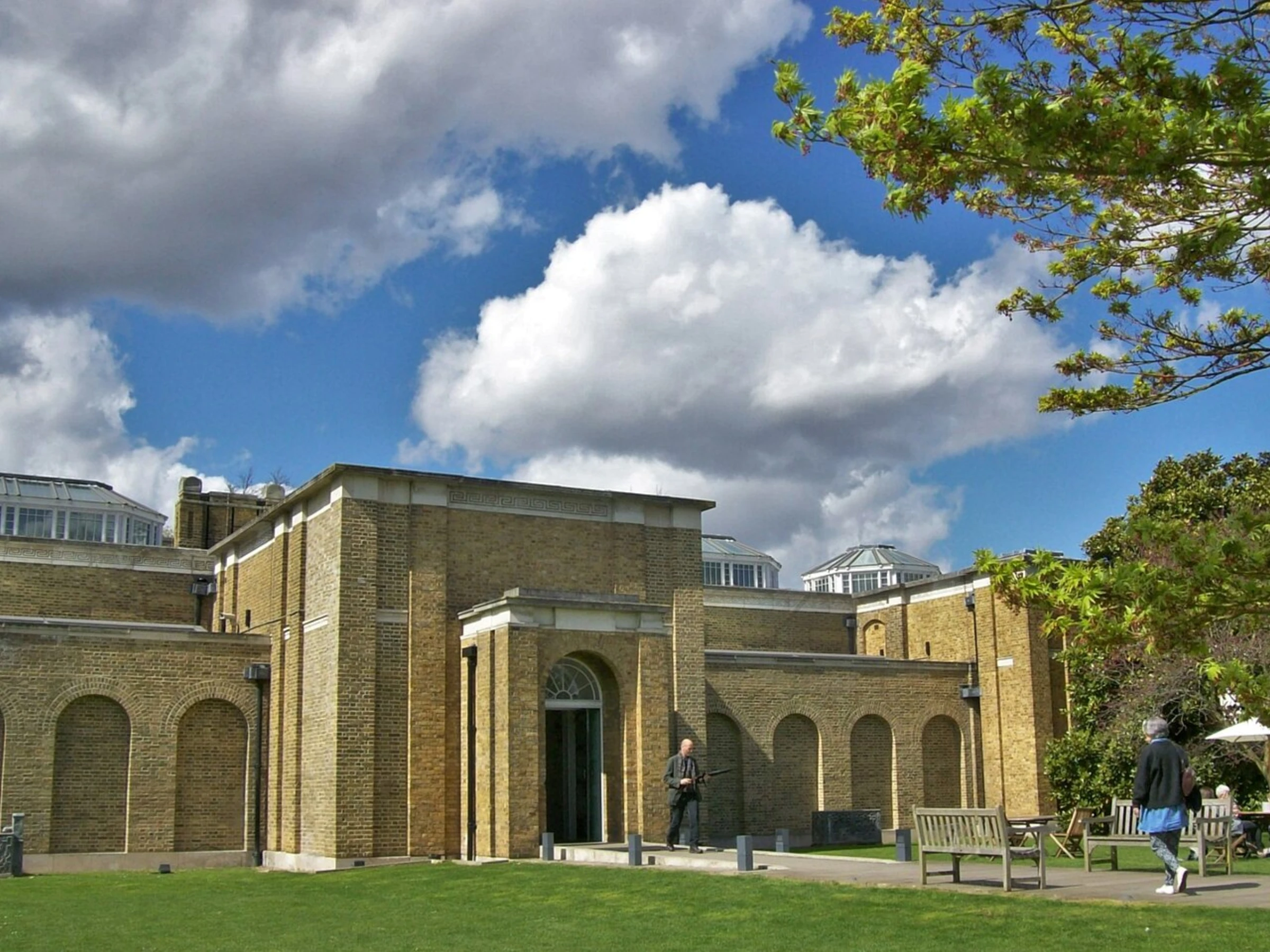
The announcement that David Shrigley will create new work in dialogue with Dutch and Flemish old masters at the Dulwich Picture Gallery in 2027 is the latest example of this trend. Shrigley, known for his playful line drawings and humorous subject matter, will hang his work alongside paintings by Jan Steen, Adriaen Brouwer, David Teniers the Younger, Adriaen van Ostade, Pieter Brueghel the Younger and Rembrandt van Rijn. The exhibition, which will be his first solo show in a UK public museum since his 2012 Hayward Gallery retrospective, will explore the comedic side of historic painting, presenting how artists through the ages have used humour to observe everyday life, human behaviour and social interaction. As The Guardian reports, the gallery's head of collection and exhibitions has described Shrigley as the perfect artist to bring back playfulness to the old masters and remind us that great art does not always need to be serious.
The History of the Practice
The practice of juxtaposing contemporary and historic art has its roots in the late twentieth century, when museums began to question the assumption that historic collections should be displayed in isolation from contemporary practice. The National Gallery in London initiated its Associate Artist scheme in 1989, inviting contemporary artists to work in the gallery and create new work in response to its collection. The scheme has hosted artists including Peter Blake, Paula Rego and Michael Landy, and has produced some of the gallery's most popular and critically acclaimed exhibitions. The National Gallery approach was widely influential, and similar programs were established at museums across Europe and North America in the following decades.
The Frick Collection in New York has hosted a series of contemporary exhibitions in recent years, including shows by Jens Adolf Eyindason and Rashid Johnson, in which contemporary works are installed alongside the museum's collection of old master paintings. The Dulwich Picture Gallery has been particularly active in this area, with recent exhibitions including a collaboration with the artist Harland Miller and a display of works by Rembrandt alongside contemporary responses. The trend has also extended beyond painting: the Victoria and Albert Museum in London has a long history of commissioning contemporary design and craft in dialogue with its historic collections, and the Metropolitan Museum of Art in New York has hosted contemporary commissions in its historic galleries, including a recent installation by the artist Cecilia Vicuna in the museum's American wing.
How These Exhibitions Work
The most successful contemporary-historic juxtapositions share several characteristics. First, they are based on a genuine curatorial rationale rather than a marketing exercise. The connection between the contemporary work and the historic collection must be substantive, revealing something about the historic works that would not be apparent without the contemporary intervention. In the Shrigley exhibition, the connection is the shared interest in humour and everyday life that links Shrigley's work with the Dutch and Flemish genre paintings in the Dulwich collection. The Dutch and Flemish artists of the seventeenth century were among the first in European art to depict ordinary people in ordinary situations, often with a comic or satirical edge, and Shrigley's work extends this tradition into the present.
Second, the contemporary work must be strong enough to stand on its own, without the crutch of the historic collection. A weak contemporary work will look diminished when placed alongside a Rembrandt, while a strong contemporary work will create a productive tension that enhances both. The best exhibitions in this genre treat the contemporary and historic works as equals, allowing each to comment on the other without subordinating one to the other. Third, the exhibition must respect the integrity of the historic collection. The old master paintings are not merely a backdrop for the contemporary work, and the curatorial installation must ensure that the historic works remain accessible and legible to visitors who are interested in them for their own sake. The Dulwich Picture Gallery has been particularly attentive to this issue, ensuring that its contemporary interventions do not overwhelm or obscure the historic collection that is the gallery's core holding.
What to Look For as a Visitor
When visiting a contemporary-historic juxtaposition exhibition, there are several things to look for. Pay attention to the curatorial placement of the works: which contemporary pieces are hung next to which historic paintings, and what is the logic of the pairing? Look for formal connections, such as shared compositional strategies, colour palettes or brushwork techniques, as well as thematic connections, such as shared subject matter or iconographic traditions. Consider how the contemporary work changes your perception of the historic pieces: does it make them look more modern, more distant, more relevant, or more strange? And consider how the historic works change your perception of the contemporary pieces: does the historical context give the contemporary work a depth and resonance that it would not have in a contemporary gallery?
It is also worth considering the institutional context of these exhibitions. Why is a particular museum choosing to juxtapose contemporary and historic work at this particular moment? What does it tell us about the museum's understanding of its collection and its audience? The trend toward contemporary-historic juxtapositions reflects a broader shift in museum practice that emphasizes relevance and accessibility over scholarly isolation, and that seeks to make historic collections meaningful to contemporary audiences. But it also reflects a genuine curatorial interest in the continuities between past and present, and in the ways that artists across centuries have grappled with similar questions about representation, meaning and the function of art. The best exhibitions in this genre are not gimmicks but serious curatorial interventions that deepen our understanding of both the historic and the contemporary work.
Upcoming Exhibitions to Watch
The Dulwich Picture Gallery's 2027 program includes several exhibitions that exemplify the contemporary-historic juxtaposition trend. In addition to the Shrigley exhibition, which runs from 25 May to 5 September 2027, the gallery will present the first UK museum exhibition devoted to the French artist Jacqueline Marval (1866-1932), bringing together more than 40 paintings and selected lithographs to highlight her contribution to early French Modernism. A major retrospective of the British Pakistani postwar modernist Anwar Jalal Shemza (1928-1985) will show more than 80 works by the artist, offering a fresh appraisal of a pioneering figure whose work transcended cultural boundaries. The gallery will also present solo displays featuring new commissions by Sahara Longe and Caroline Walker, continuing its commitment to supporting contemporary artists in dialogue with its historic collection.
Beyond Dulwich, the trend continues at museums across the UK and internationally. The Tate galleries have long been committed to displaying contemporary work alongside historic collections, and the National Gallery's contemporary program remains active. In New York, the Frick Collection and the Metropolitan Museum of Art continue to host contemporary interventions in their historic galleries. As the practice becomes more widespread, it is worth remembering that the goal is not to replace historic collections with contemporary work but to create a dialogue that enriches both. The best contemporary-historic exhibitions remind us that art is not a sealed historical category but an ongoing conversation across time, and that the old masters were themselves once contemporary artists working in dialogue with their own predecessors. The Shrigley exhibition at Dulwich, with its emphasis on humour and everyday life, promises to be a particularly rewarding example of this conversation, reminding us that the distance between a seventeenth-century Dutch genre painting and a twenty-first-century British drawing may be less than we think.
For artists, the opportunity to exhibit in dialogue with historic collections offers both challenges and opportunities. The challenge lies in finding a genuine connection with the historic work rather than simply using it as a backdrop. The opportunity lies in reaching audiences who may not visit contemporary galleries and in seeing one's work in a new historical context. For museums, the challenge is to maintain the integrity of the historic collection while creating space for contemporary interventions, and to ensure that the contemporary work is more than a marketing exercise. When these challenges are met successfully, the result is an exhibition that enriches both the historic and the contemporary work, creating a conversation across time that benefits artists, museums and visitors alike. The best exhibitions in this genre remind us that art history is not a sealed book but a living conversation, and that the old masters have something to say to the artists of today.