A Collector’s Playbook for Buying at Regional Art Fairs in 2026
A practical due diligence framework for collectors and advisors who want to buy intelligently at regional fairs, from pre fair research through post sale risk controls.
Regional art fairs are no longer secondary stops for collectors who missed the major circuits. In 2026, they are often the most efficient places to identify artists before valuation pressure peaks. Booths are less crowded, conversations are longer, and you can usually see enough of a gallery program to understand intent rather than just inventory. But the lower noise can create a false sense of safety. Good buys still depend on preparation, not atmosphere. This guide lays out a practical operating model collectors and advisors can use before, during, and after a regional fair acquisition.
1) Define your fair thesis before arrival. Go in with a written thesis that sets medium focus, price range, and risk tolerance. Without this, you will default to reacting to social proof. A workable thesis might be, for example, painting and textile practices by artists with one institutional show and prices under a fixed ceiling, or concept driven sculpture where edition structure is clear and fabrication risk is manageable. The thesis is not meant to narrow curiosity, it is meant to prevent impulsive dilution. Keep it in your notes and test every booth conversation against it.
2) Build a pre fair research file on galleries and artists. Use official channels, not media summaries. Review each target gallery’s website and recent exhibitions, then verify artist trajectories through institutional records. The first pass should happen on the fair’s exhibitor list, such as Market Art Fair’s gallery roster. For museum context, confirm whether the artist has appeared in recognized institutions by checking pages from organizations like the Moderna Museet, Nationalmuseum, or peer institutions where relevant. Do not confuse social visibility with curatorial evidence.
3) Run a booth interview protocol, not casual chat. At each booth, ask the same core questions so answers can be compared later: How many works by this artist have sold in the last twelve months and in what range? What is the next institutional or gallery milestone already scheduled? Is this fair price aligned with studio and gallery pricing elsewhere? What is the edition logic and what variants exist? Are there restrictions on resale timelines? Strong dealers answer clearly and quickly. Evasive answers are data, not personality quirks.
4) Demand documentation before commitment. Before you place a reserve or agree to purchase, ask for a complete file: artwork details, date, dimensions, medium specifics, condition report if applicable, provenance statement, and installation requirements. For works with technical components, request hardware and software dependencies in writing. For editioned works, require explicit edition count, artist proofs, and whether future sizes are possible. This step is where many avoidable mistakes are prevented. If paperwork arrives late or inconsistent, pause the deal.
5) Price with structure, not excitement. Regional fairs can feel less aggressive than mega fairs, but pricing errors still happen. Compare the asked price against at least three points: recent gallery prices for similar scale and date, institutional momentum, and supply pressure from recent output. If a work is priced above its comparables, insist on the rationale in concrete terms. If you are buying through an advisor, require a one page memo with recommendation, downside case, and expected holding period. A collector who cannot articulate why a price is fair should not be buying that day.
6) Evaluate placement risk and relationship quality. The best acquisitions are often won through credible long term behavior, not last minute leverage. Dealers remember whether you close cleanly, pay on time, and steward works responsibly. If you request a discount, tie it to clear terms, not vague pressure. Ask for transparent invoices, shipping windows, and tax treatment. Confirm who is responsible for crating and insurance at each stage. Where applicable, verify import or export requirements before funds move. Administrative precision is part of collecting strategy, not back office detail.
7) Separate enthusiasm from concentration risk. It is common to leave a fair wanting multiple works from one booth because the presentation is coherent. Coherence is good, concentration risk is still real. Set a maximum exposure rule per artist and per gallery for each fair cycle. Many experienced collectors cap single artist fair spend as a percentage of annual acquisition budget. This protects flexibility for later opportunities and prevents your collection from mirroring one dealer’s inventory strategy. Portfolio construction logic applies in art even if the asset class feels personal.
8) Create a 30 day post purchase protocol. Acquisition quality is determined after the fair as much as on site. Within 30 days, complete condition photography, insurance scheduling, and registrar records. If the work requires conservation planning or specialized storage, schedule that immediately. Update your collection management file with invoice, provenance statements, and installation notes. For advisors managing multiple purchases, run a post fair review meeting that grades each buy against thesis, price discipline, and expected institutional trajectory. This feedback loop is what improves decisions across seasons.
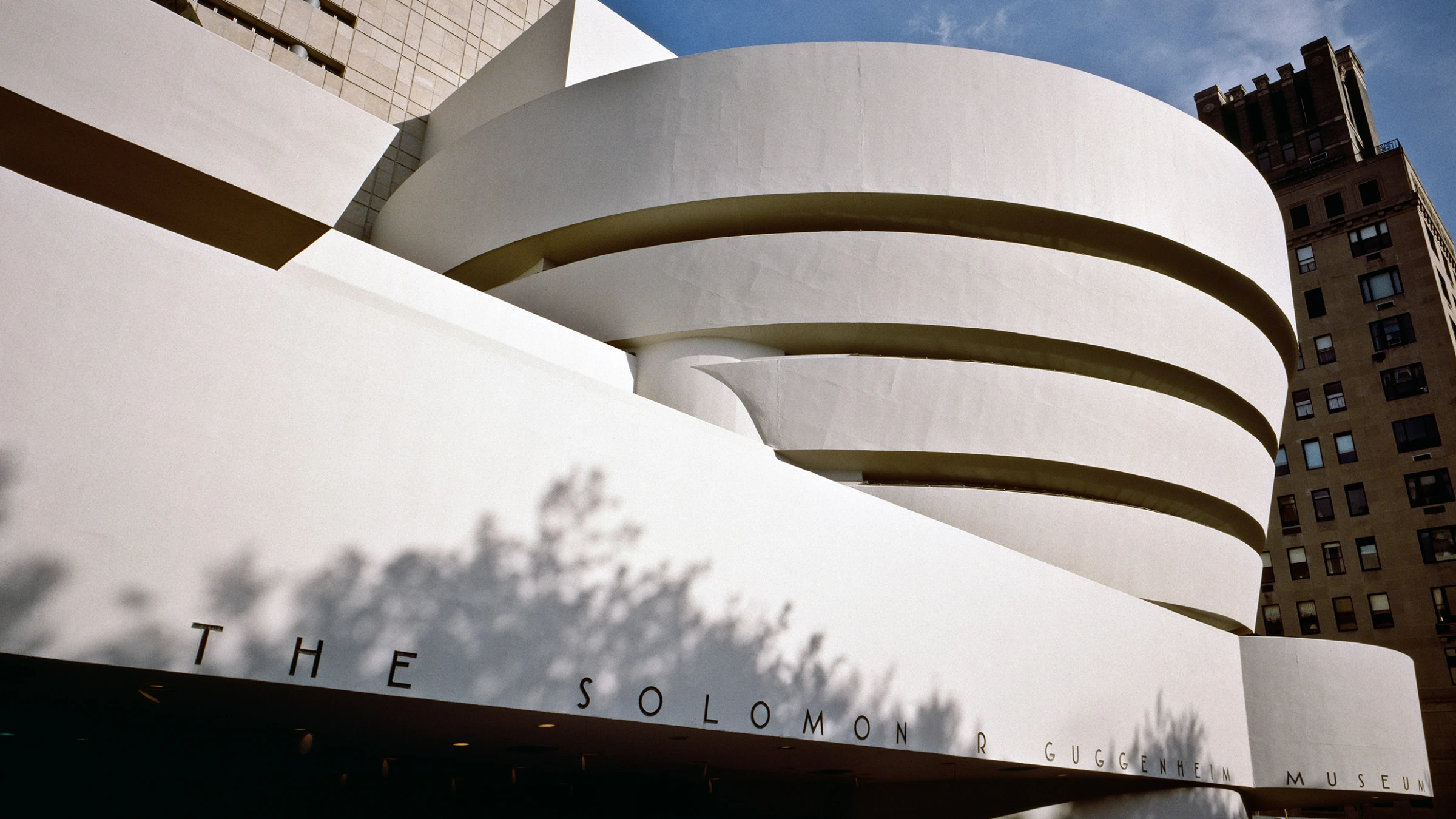
9) Use institutions as calibration, not validation theater. Visiting exhibitions at institutions such as the Guggenheim or monitoring acquisition signals at public museums can sharpen your eye, but institutional presence should never be treated as automatic buy confirmation. Museums have their own agendas, timelines, and donor dynamics. The useful question is not whether an artist has appeared institutionally. The useful question is whether your specific work, price, and term structure make sense in relation to that trajectory.
10) Final rule: if your file is weak, wait. Regional fairs reward patience because opportunities recur and relationships compound. Missing one work is cheaper than buying a poorly documented one at an inflated level. If you cannot verify facts, or if terms remain ambiguous, walk away. The strongest collectors are not the fastest buyers. They are the ones with repeatable process. Build that process now and regional fair seasons become one of the highest signal environments in the market.