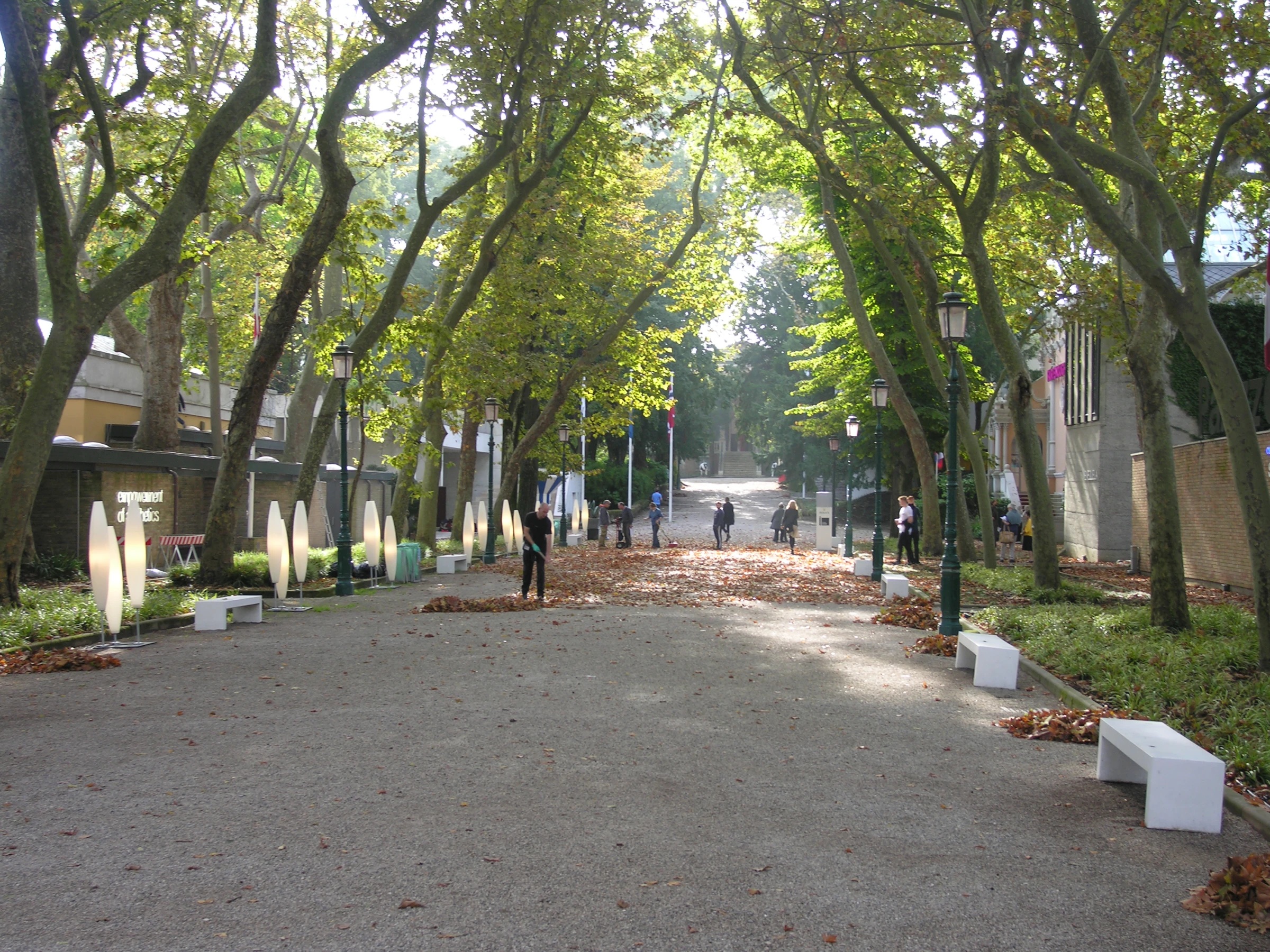
How Collectors and Curators Should Read Venice Biennale National Pavilions in 2026
A practical framework for separating signal from spectacle when evaluating national pavilions, artist trajectories, and institutional strategy at the Biennale.
Every Biennale season produces the same failure mode, even among experienced professionals. People over-index on atmosphere, queue length, and social consensus, then under-invest in structural reading. If you are collecting seriously or curating with institutional responsibility, you need a tougher method. The objective is not to pick winners in real time. The objective is to identify which works, artists, and commissioning structures will still matter after the opening-week signal noise collapses.
Start with commissioning architecture. Before you evaluate a single work, map who commissioned the pavilion, who curated it, and what constraints shaped production. A pavilion led by a culture ministry, a museum consortium, or a hybrid state-private model will produce different risk profiles. Read the institutional documents first, then the work. Use primary pages at La Biennale di Venezia, national pavilion statements, and commissioning institution sites. If those documents are vague, treat that as data.
Second, separate artist fit from artist fame. A high-visibility name can still be an incoherent pavilion choice if the commission does not extend the artist’s practice. Ask a simple question: what could only happen in this pavilion context that could not happen in a museum retrospective? If the answer is unclear, the project is likely operating as a prestige transfer, not a meaningful commission.
Third, audit production intelligence. Strong pavilions show evidence of deep site work, not imported exhibition packages. Look for whether sound, circulation, climate, and viewing tempo were designed specifically for Venice. In practical terms, that means checking how the installation handles crowd flow, acoustic bleed, and repeat viewing. If a project only works in a frictionless white cube, it will usually degrade fast in Biennale conditions.
Fourth, track curatorial language against formal outcomes. Press text often promises dialogue, complexity, and urgency. Your job is to test whether those claims appear in materials, sequencing, and object relationships. When curatorial rhetoric and formal execution diverge, believe the form. For acquisition and institutional support decisions, execution reliability matters more than statement quality.
Fifth, read the labor ecology around the pavilion. Who built it, who mediates it, who maintains it daily, and who is credited. National pavilions are compressed labor systems with real political consequences. For curators, labor opacity is a red flag for future institutional partnerships. For collectors, it can signal whether an artist’s large-scale practice is actually sustainable beyond event conditions.
Sixth, evaluate documentation strategy in real time. Many pavilions are remembered through bad image selection and weak recording. If a project’s film, still photography, and floorplan documentation are sloppy, scholarship around it will decay quickly. Institutions that care about long-term impact should capture documentation rights early, commission independent installation views, and secure interview material while memory is fresh.
Seventh, map downstream pathways. A pavilion matters most when it produces second and third lives: museum iterations, research seminars, collection dialogue, publication programs, and new commissions. During Biennale week, ask not only what you are seeing now, but where this work can travel without losing integrity. Projects that cannot travel often become archival footnotes regardless of opening-week hype.
Eighth, do not confuse geopolitical visibility with curatorial success. Some pavilions are structurally important because they mark new national participation, regional alliances, or institutional expansion. That significance is real. But symbolic significance does not guarantee artistic resolution. Keep two ledgers: one for geopolitical stakes, one for artistic achievement. Conflating them creates expensive mistakes in both collecting and programming.
Ninth, for acquisition strategy, build a three-tier evidence stack. Tier one is direct observation over multiple time windows, including high-traffic and low-traffic conditions. Tier two is primary-source verification, artist studio dialogue, technical records, and material conservation planning. Tier three is external institutional confidence, including planned exhibitions, curatorial writing, and peer endorsements from venues with strong standards. Only commit when all three tiers align.
Tenth, for curators planning post-Biennale institutional programs, avoid copy-paste importing of pavilion narratives. Re-stage the work under your own institutional question. If the pavilion centered national framing, your museum context might require labor framing, medium framing, or archival framing instead. Respect the original commission, but do not outsource your curatorial thesis to it.
Finally, keep a disciplined debrief protocol. Within ten days of your Biennale visit, produce a written memo with no adjectives in the first draft, only observations, claims, and evidence links. Then add interpretation. This sequence prevents the familiar drift from social impression to institutional memory. Teams that skip written debriefs almost always default to anecdote when budget and exhibition decisions arrive.
The fastest way to misread Venice is to confuse production budget with artistic consequence. The best professionals do the opposite. They test form against context, claims against evidence, and visibility against durability. If you use that framework in 2026, you will make fewer reactive decisions, build stronger exhibitions, and allocate capital, curatorial and financial, to work that can hold up beyond the fair-like velocity of opening week.