Kunsthaus Zürich Rehangs the Bührle Collection, Pairing Van Gogh Highlights With Unresolved Provenance Questions
A major new display of the Emil Bührle Collection in Zurich expands public access to key Van Gogh works while leaving core restitution and forced-sale debates unresolved.
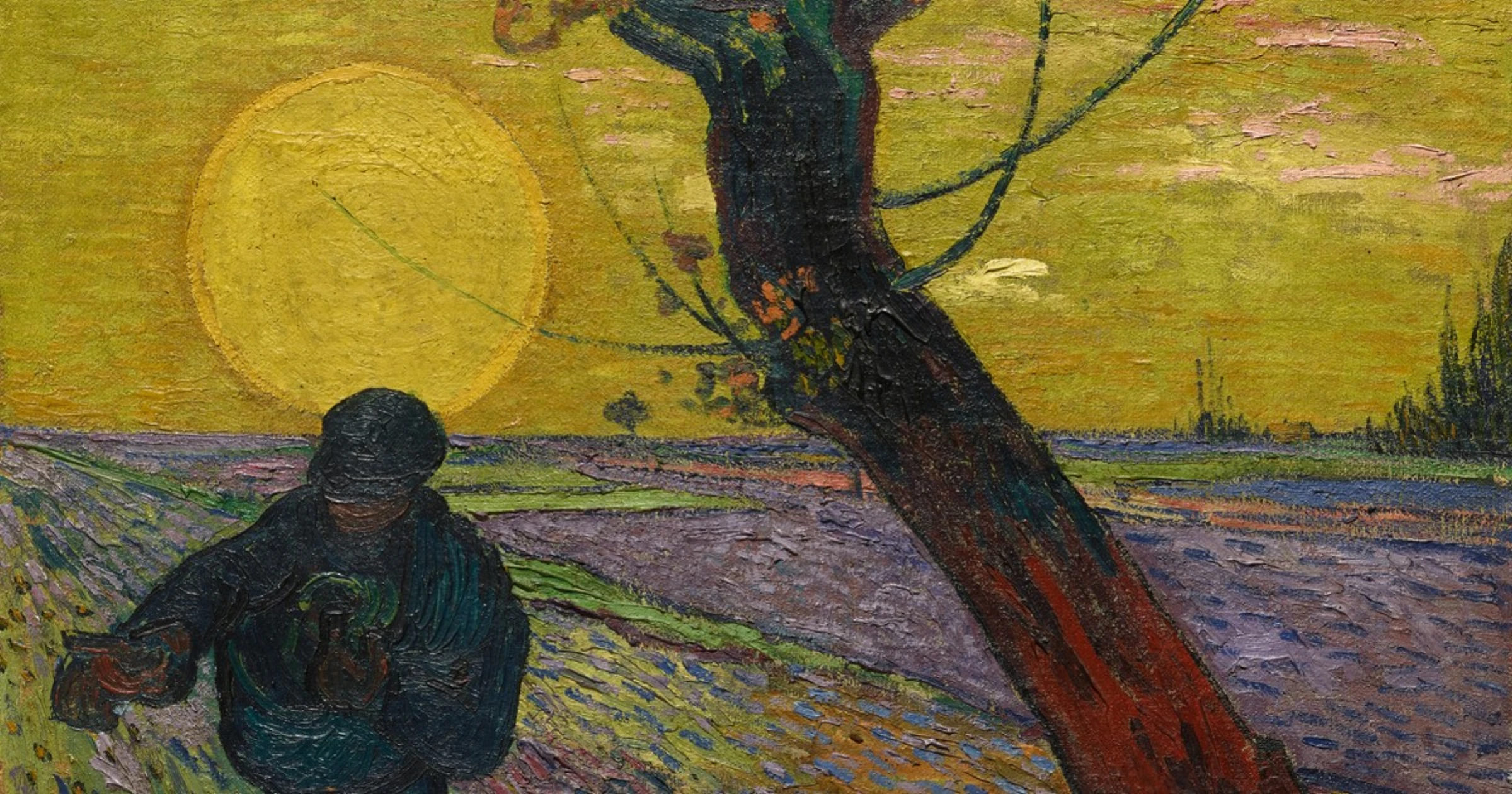
Kunsthaus Zürich has reopened the Emil Bührle holdings in a dense new presentation that places 205 works back into broad public view, including five Van Gogh paintings and one historically misattributed work now shown as a forgery. The display succeeds on one level, it gives audiences fuller access to a collection with exceptional art-historical weight. It remains unresolved on the level that matters most for institutional legitimacy, how a museum frames ownership histories tied to persecution, forced migration, and wartime market distortion.
The Bührle collection’s visual quality has never been in dispute. The Van Gogh group alone is extraordinary in range, spanning early Dutch-period material through late works and including paintings that most museums can only borrow occasionally. For curators, this concentration offers rare comparative opportunities across period, subject, and technique. For public audiences, it offers immediate depth in one visit. That curatorial upside explains why the collection continues to draw attention despite years of controversy.
The controversy, however, is not peripheral metadata. Emil Bührle built his fortune through wartime arms production and assembled much of his collection in periods when Jewish collectors and dealers across Europe faced coercion, displacement, or liquidation under duress. Provenance files have expanded, but publication alone does not settle the ethical question of whether individual transfers were genuinely voluntary in their historical context. This is where museums often overestimate the legitimizing power of documentation and underestimate the demand for transparent adjudication pathways.
The current rehang appears to acknowledge complexity while still prioritizing object density and visitor access. That balance may satisfy audiences seeking direct contact with major works, but it does not remove pressure from unresolved cases. One Van Gogh has already been withdrawn pending discussion around Nazi-era circumstances, and that single fact is enough to show the problem remains active rather than historical. If a case is still open, the governance model is still being tested.
For institutions across Europe, the Bührle case is becoming a template, not an exception. Collections with compromised acquisition histories are increasingly asked to operate under dual standards, curatorial excellence and procedural justice. Meeting only one is no longer viable. Museums that present contested works without robust, intelligible explanation now face reputational risk from both scholars and broader publics. Museums that overcorrect with defensive legal language lose trust in a different way. The middle path is hard but clear: disclose evidence, state uncertainties plainly, and maintain visible mechanisms for claims review and negotiated outcomes.
The Zurich display also raises a practical curatorial question, how to exhibit contested masterpieces without turning historical violence into atmosphere. Effective interpretation requires more than side-wall text. It requires coherent narrative framing, provenance timelines that non-specialists can read, and institutional willingness to update labels as new evidence emerges. In this environment, static didactics quickly look like strategic silence.
There is still room for Kunsthaus to lead. The museum has scale, audience, and scholarly capacity, and the collection itself offers unmatched opportunities for transparent case-by-case pedagogy. If the institution treats the rehang as an evolving research platform rather than a finished settlement, it can produce a model other museums will follow. If it treats the reopening as closure, pressure will compound.
For now, the rehang delivers what many visitors want, direct access to major paintings, especially Van Gogh, inside a high-profile institutional frame. It does not deliver what the wider field still needs, confidence that unresolved provenance questions are being handled with the same rigor and urgency as curatorial installation. Until that changes, every visual triumph in this gallery will remain paired with a governance question just outside the frame.