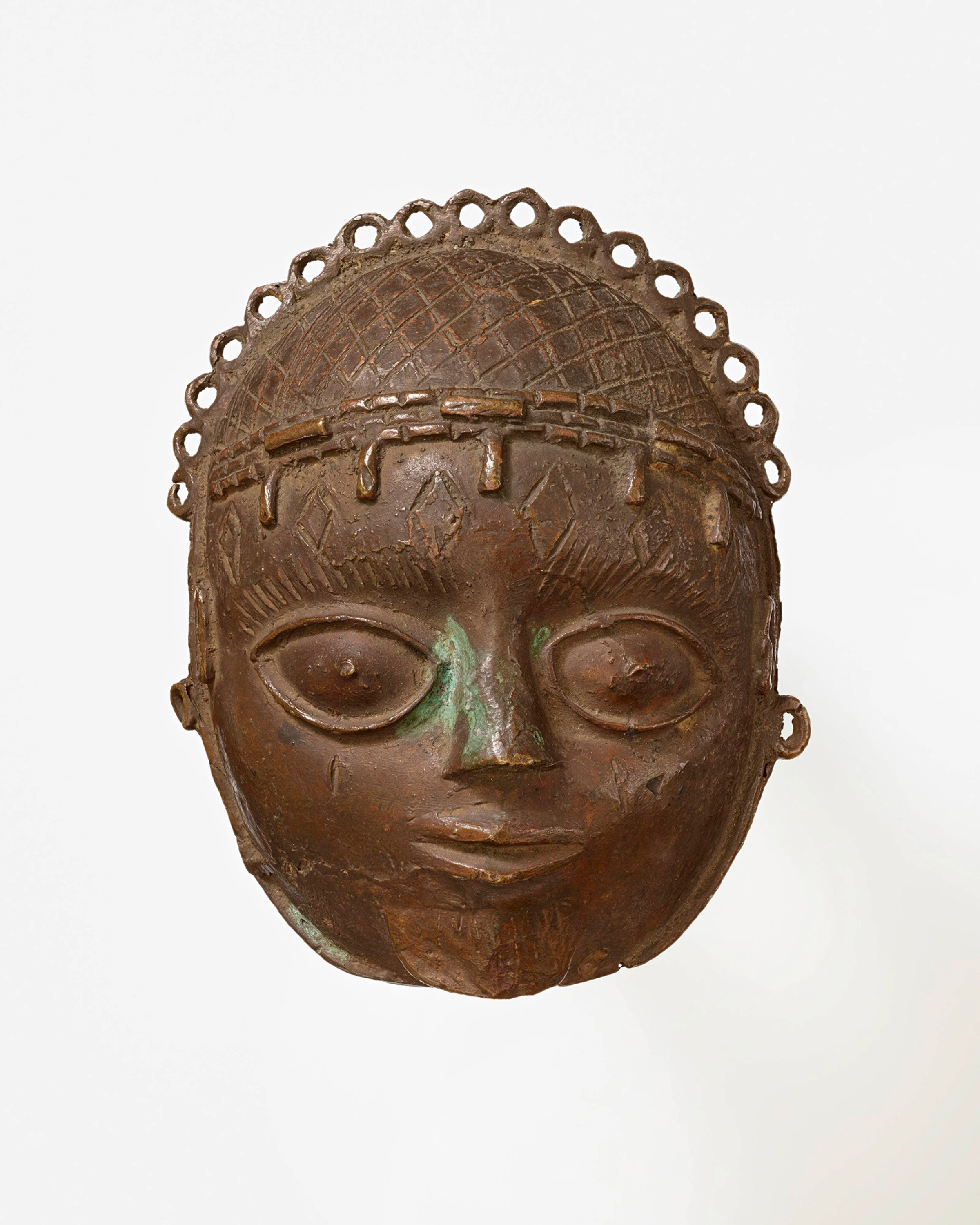
Zurich Transfers Ownership of Benin Objects to Nigeria, Marking a New Restitution Phase in Swiss Museums
The city of Zurich has transferred ownership of 11 Benin objects from Museum Rietberg to Nigeria, with additional works set for return and selected loans remaining in Switzerland.
The city of Zurich has transferred ownership of 11 Benin objects held by Museum Rietberg to Nigeria, adding concrete movement to restitution debates that too often stall at declarations of intent. The objects are among works removed from the Kingdom of Benin after the 1897 British military attack and later dispersed through European and North American collections via the art market.
What distinguishes the Zurich move is administrative clarity. This is not an advisory statement or a future-facing memorandum, it is a transfer of legal ownership. In governance terms, ownership transfer is where institutional ethics are tested, because boards and municipalities must decide whether historical acquisition channels can invalidate present possession claims. Zurich has now answered that question in policy, not rhetoric.
The process sits within the framework of the Swiss Benin Initiative, a multi-institution research project involving provenance study and direct engagement with Nigerian authorities. For curators and trustees tracking restitution models, this consortium approach is significant. It distributes research costs, reduces duplicated effort, and creates shared evidentiary standards that can withstand legal and public scrutiny.
Nigeria’s federal museum body, the National Commission for Museums and Monuments, has emphasized both symbolic and practical stakes in these returns. Symbolically, restitution acknowledges historical extraction tied to colonial violence. Practically, it reopens curatorial sovereignty, giving Nigerian institutions authority to research, conserve, and interpret these works within local intellectual frameworks rather than as externally framed ethnographic artifacts.
Zurich and Museum Rietberg have also indicated that some works may remain on loan in Switzerland after transfer, while others are expected to return physically to Nigeria in 2026. This hybrid structure, ownership restitution plus negotiated loans, is becoming a viable mechanism for many institutions. It allows European museums to maintain public access and scholarly exchange while recognizing that title and decision-making power belong with originating communities and states.
For directors elsewhere in Europe, the takeaway is direct. The debate has moved past whether restitution is technically possible. It is operationally possible when institutions commit to provenance transparency, municipal coordination, and bilateral negotiation. The remaining obstacle is often political will, not procedure. Zurich’s case increases pressure on peers that continue citing complexity while maintaining full legal control over contested holdings.
Collectors should also note that restitution trajectories are reshaping value logic around works with colonial-era provenance gaps. Objects once traded primarily through rarity and historical prestige are now evaluated through legal exposure, documentary completeness, and institutional reputational risk. Advisory practices that ignore these factors are already behind market reality. This shift is visible in loan negotiations, donor scrutiny, and insurance assessments as much as in public debate.
For museums, this decision should be read as part of a larger governance reset. Collection stewardship in 2026 is not only about conservation and exhibition design, it is about whether institutions can align holdings, law, and ethics in ways that are publicly defensible. Zurich’s transfer does not end that work, but it demonstrates what an actual step forward looks like.