Weekend Guide: A Focused Art Itinerary Hidden Inside the Week-Ahead Noise
Instead of chasing every listing, build a four-part route this week around Frank Bowling, Hurvin Anderson, Catherine Opie, and a major open-access image release from Washington’s National Gallery of Art.
The week-ahead listings are overflowing again, which usually means viewers leave with too many ticket confirmations and not enough actual looking. If you care about art rather than social check-ins, the smarter play is a narrow route. This guide pulls four art-relevant picks out of a broader entertainment round-up and treats them as a sequence, not a shopping list.
The source list in <a href='https://www.theguardian.com/culture/2026/mar/21/project-hail-mary-saturday-night-live-frank-bowling-life-is-strange' target='_blank' rel='noopener'>The Guardian’s week-ahead guide is wide, stretching from film to games to television. Buried inside it, though, is a highly usable art spine. Build your week around Frank Bowling at the Fitzwilliam Museum, Hurvin Anderson at Tate Britain, Catherine Opie at the National Portrait Gallery, and a remote research stop via the National Gallery of Art’s open image release.
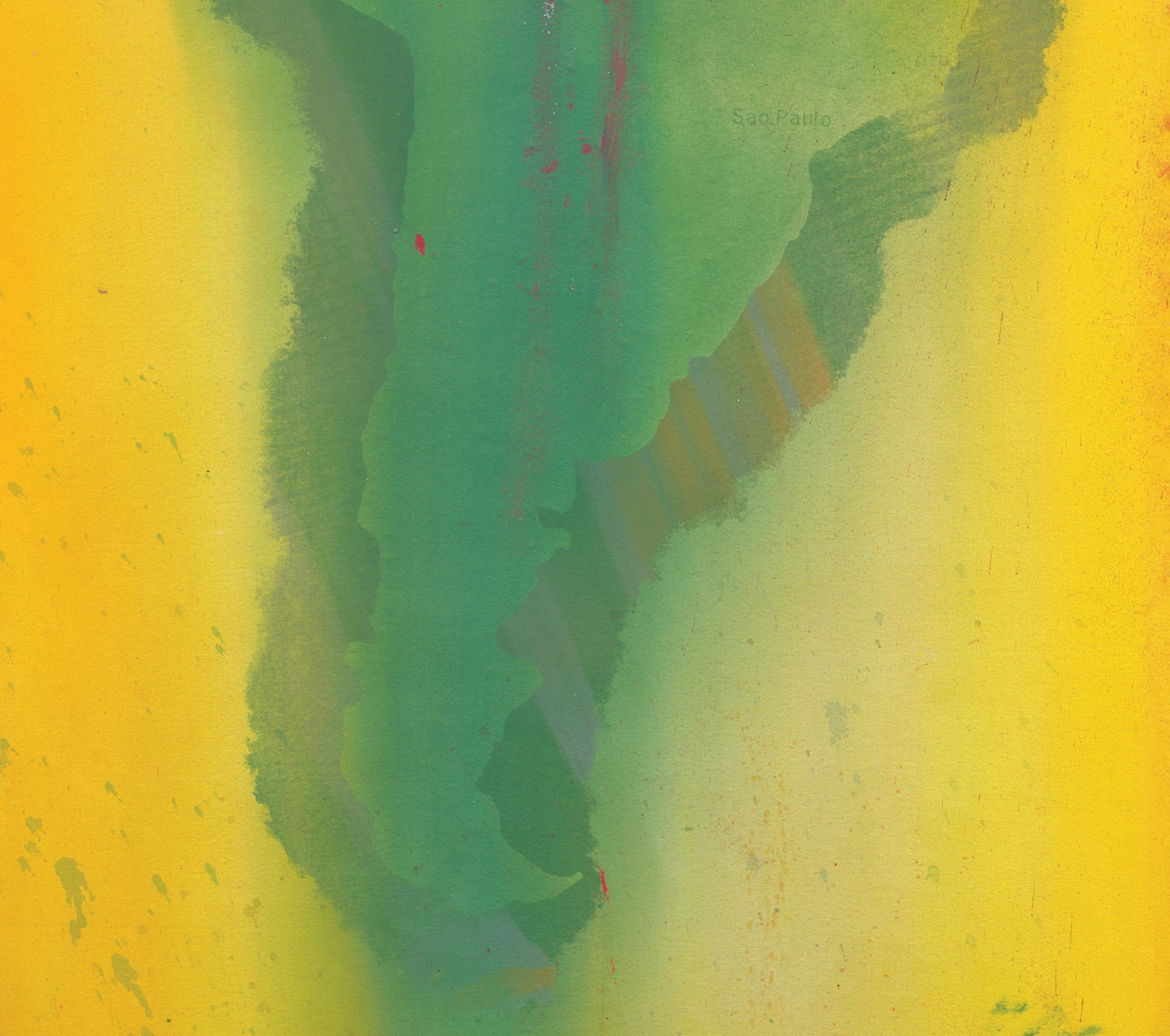
Start with Bowling if you can. His work is often praised in language that is too soft for what the paintings actually do. The visual experience is not just atmosphere. It is accumulation, weight, and pressure over time. Treat scale as a method, not a spectacle. Stand far enough back to register structure, then close in to track surface events, color deposits, and edge decisions. If you only spend ten minutes in the room, you leave with branding, not knowledge.
Next, move to Hurvin Anderson at <a href='https://www.tate.org.uk/whats-on/tate-britain/hurvin-anderson' target='_blank' rel='noopener'>Tate Britain. Anderson’s paintings can look immediately legible, then become unstable under sustained viewing. Interior and exterior spaces drift between memory and observation, and patterned passages operate as both invitation and obstruction. The key discipline here is repetition: do one pass for overall composition, then a second pass for how the picture reorganizes your eye.
Then spend time with Catherine Opie at the <a href='https://www.npg.org.uk/' target='_blank' rel='noopener'>National Portrait Gallery. Opie’s portraits are a strong reminder that portraiture is not neutral description. It is a structure of power, desire, and positioning. Her subjects frequently confront the camera with composure that complicates easy narratives of vulnerability or identity display. If you approach the work as documentary evidence alone, you miss the formal intelligence that makes the politics stick.
For anyone outside London, or for readers building teaching notes at home, make the fourth stop digital: the National Gallery of Art’s newly accessible trove of high-resolution images at <a href='https://www.nga.gov/artworks' target='_blank' rel='noopener'>nga.gov/artworks. Open image access on this scale is not a side note. It changes what independent researchers, students, and underfunded classrooms can do without expensive database subscriptions.
Treat that archive stop seriously. Pick one artist from each of your physical visits and locate related historical material in the Washington dataset. Build a mini comparison set with five to eight images and write short notes on continuity and rupture: where compositional habits persist, where iconography shifts, where social context reorients form. This turns passive browsing into active study.
If you are doing this route in person over one weekend, keep the pace conservative. Two major exhibitions in one day is enough for most people. Add travel time, breaks, and note-taking windows. The quality gain from slower sequencing is substantial. A rushed fourth show gives the illusion of productivity while reducing actual retention.
For younger curators, this week also offers a practical exercise in institutional reading. Compare how different organizations frame urgency. Does wall text support close looking, or does it over-script interpretation? Is spatial design guiding attention productively, or flattening differences between works? Are educational materials opening the conversation or just performing inclusion language?
Collectors can use the same route as an anti-hype tool. Looking across Bowling, Anderson, and Opie helps recalibrate value judgments away from velocity metrics and toward durability of practice. A disciplined weekend with these artists is often more useful than a month of fair-floor noise, especially when market chatter outruns critical seeing.
Finally, resist the completion instinct. You do not need to consume everything listed in a culture guide to have an excellent week. You need a sequence that sharpens perception. This one does. One painter for scale and time, one for memory and space, one for portrait politics, and one open archive that expands your long game as a reader, viewer, and thinker.
If you are guiding a friend, student, or visiting colleague, ask each person to leave every stop with one sentence on form and one sentence on context. This tiny rule prevents generic praise and forces evidence-based discussion. Over time, it produces better writing, better collecting decisions, and better curatorial conversations because everyone is training the same muscle: seeing before declaring.
You can also split the route across two days. Day one for in-person works, day two for archive follow-up and synthesis notes. That rhythm helps avoid exhibition fatigue and gives you a chance to connect observations that rarely sit next to each other in daily cultural browsing. The result is less noise and more continuity, which is exactly what a useful weekend guide should deliver.
Primary references: <a href='https://www.theguardian.com/culture/2026/mar/21/project-hail-mary-saturday-night-live-frank-bowling-life-is-strange' target='_blank' rel='noopener'>The Guardian week-ahead guide, <a href='https://www.tate.org.uk/whats-on/tate-britain/hurvin-anderson' target='_blank' rel='noopener'>Tate Britain, <a href='https://www.npg.org.uk/' target='_blank' rel='noopener'>National Portrait Gallery, and <a href='https://www.nga.gov/artworks' target='_blank' rel='noopener'>National Gallery of Art.